Electric Bus Accident Leaves Toddler Critically Injured in Islamabad
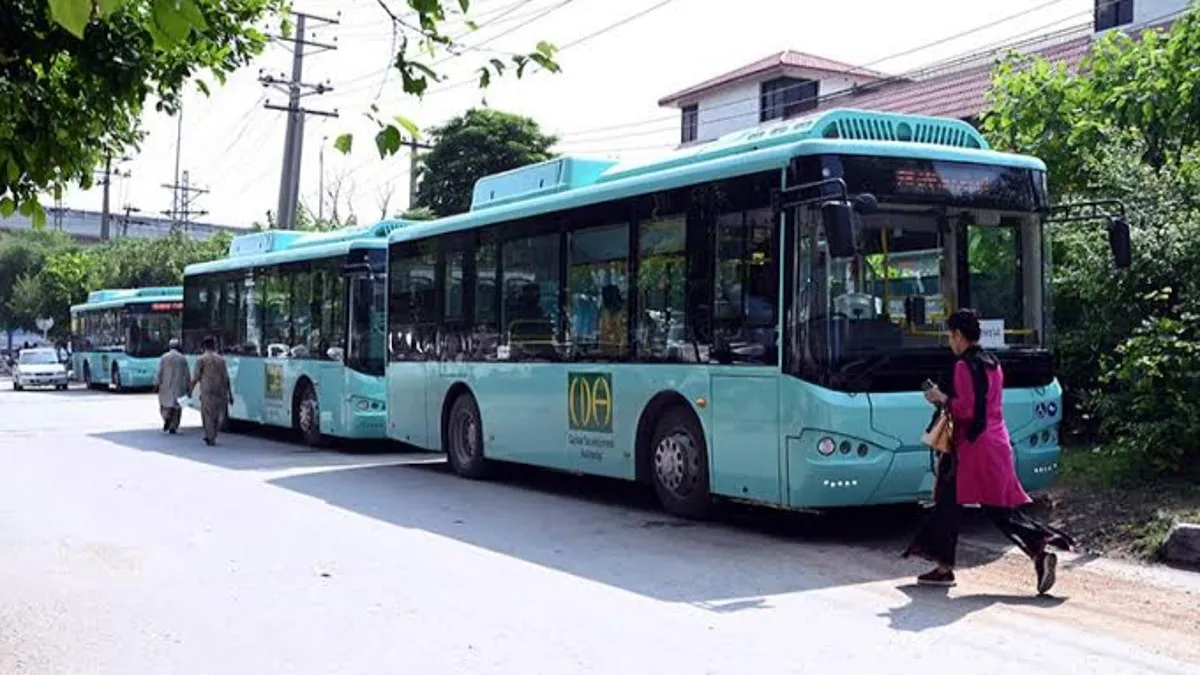
A two-year-old child sustained serious injuries when an electric bus collided with a motorcycle on Ibn-e-Sina Road in Islamabad, specifically within the G-8/2 sector. The severe impact left the young victim in critical condition, requiring an immediate transfer to a medical facility for urgent treatment. Local authorities confirmed that the crash occurred in the area overseen by the Karachi Company Police Station.
The collision quickly drew a crowd of concerned bystanders and local residents. As frustration mounted over the incident, individuals present at the scene grew agitated and smashed the windows of the electric bus. Police officers arrived shortly after the event to restore order and manage the escalating situation.
اسلام آبادسیکٹر جی ایٹ ٹو میں ابن سینا روڈ پرالیکٹر ک بس کی ٹکر سے بچہ زخمی،مشتعل افراد کاڈرائیور پرتشدد،مشتعل افراد کی جانب سے الیکٹرک بس پربھی پتھراؤ pic.twitter.com/sgQdeqrejk
— Ghazanfar Abbas (@ghazanfarabbass) November 2, 2026
Police Action and Ongoing Legal Proceedings
Law enforcement officials acted swiftly following the collision on Ibn-e-Sina Road. Police took the driver of the electric bus into custody at the scene and transferred him to the local police station for questioning. Authorities stated that further legal proceedings in connection with the incident are currently underway.
Investigators are working to determine the exact sequence of events that led to the crash between the heavy electric vehicle and the motorcycle. Police have not yet released additional details regarding the speed of the vehicles or the condition of the motorcycle driver, as the formal investigation continues.
Growing Safety Concerns Over Electric Bus Services
This recent crash on Ibn-e-Sina Road has intensified public anxiety regarding the operation of electric bus services in the region. Citizens and community members are questioning the safety protocols governing these large public transport vehicles, particularly as urban traffic density increases. Public transport expansion has brought modern transit options to local roads, but it has also introduced new challenges for motorists, pedestrians, and motorcyclists sharing the same asphalt.
The incident in Islamabad follows a series of troubling transportation events involving similar green electric buses in the twin cities. Transport authorities face mounting pressure from the public to review driver training, route safety, and speed regulations to prevent further tragedies on municipal streets.
Previous Incidents Involving Green Electric Buses
Public apprehension is rooted in several recent accidents involving the newly introduced electric bus fleets. Just prior to the Islamabad collision, a schoolgirl was killed after a green electric bus ran her over outside Gelani Mart in Rawalpindi. That fatal accident caused the young girl to die at the scene, which provoked an angry reaction from local residents. Citizens blocked the roadway in protest and demanded immediate accountability and strict action against those responsible for the tragedy.
Another collision occurred in May involving a green electric bus near Mareer Chowk in the Cantt area of Rawalpindi. The impact shattered the windows of the public transport vehicle, though transport officials confirmed that no passengers sustained injuries during that specific event. These repeated occurrences have highlighted a pattern of serious collisions associated with the electric bus rollout.
Impact on Local Communities and Public Transport
The succession of crashes involving electric buses has direct repercussions for families residing along major transit corridors in Islamabad and Rawalpindi. Parents and commuters express heightened fear when navigating local roads on motorcycles or on foot. Motorcyclists, in particular, remain highly vulnerable in traffic accidents involving heavier commercial and public transit vehicles.
Community leaders and transport safety advocates are calling for transparent safety audits of the electric bus operations. Ensuring accountability and enforcing rigorous operational standards remain central demands from residents who witness these frequent collisions on urban thoroughfares.