NCCIA Shifts Policy to Prosecute Foreign Call Center Operators
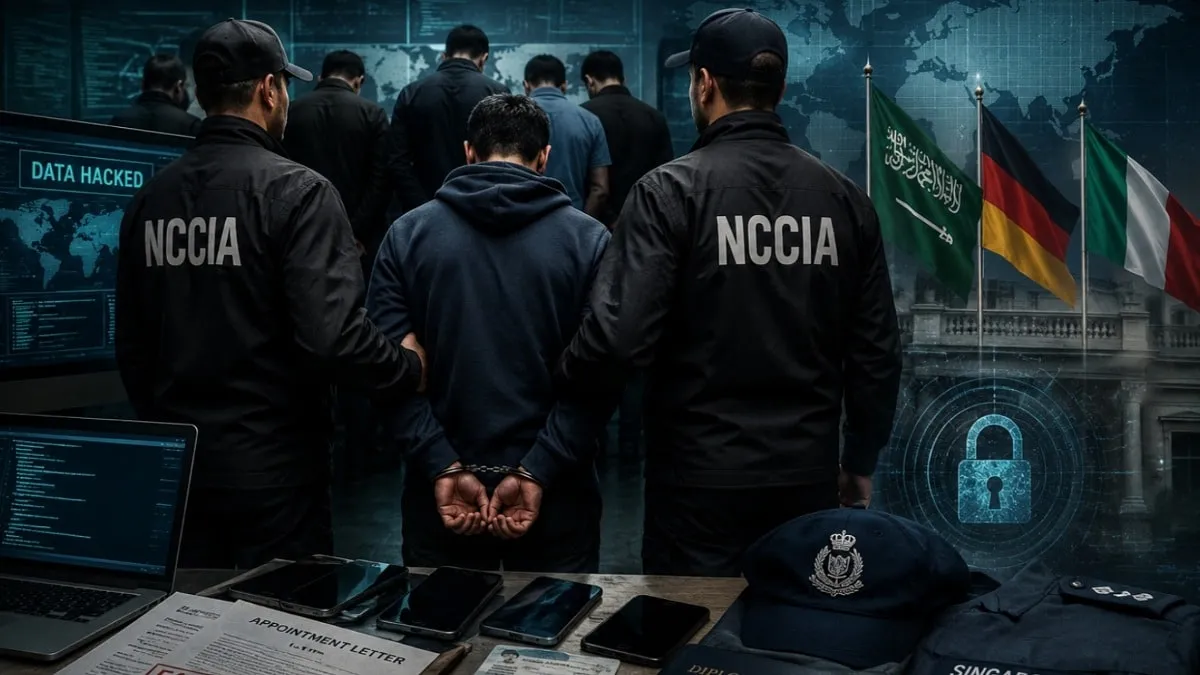
The National Cyber Crime Investigation Agency (NCCIA) has decided to stop deporting foreign nationals arrested during raids on illegal call centers and instead prosecute them under Pakistani law. Under the new policy, arrested foreigners will first face trial in Pakistani courts. Those convicted will serve their sentences in local prisons before being sent back to their home countries, NCCIA officials said.
This policy change marks a major departure from past practices regarding foreign suspects involved in cyber crime operations. Previously, foreign nationals arrested at illegal call centers were deported as "undesirables" without serving prison sentences in Pakistan. Sources said Chinese citizens accounted for the largest number of deportees. Nationals of Indonesia and Vietnam were also among those involved in operating illegal call centers in the country.
Law enforcement officials recently escalated their crackdown on unauthorized telecommunications and cyber operations. Last month, NCCIA teams conducted raids on seven illegal call centers and arrested more than 600 people. This time, however, the agency prepared challans against the suspects and sent them to jail instead of deporting them, according to sources.
Understanding the Crackdown on Illegal Call Centers
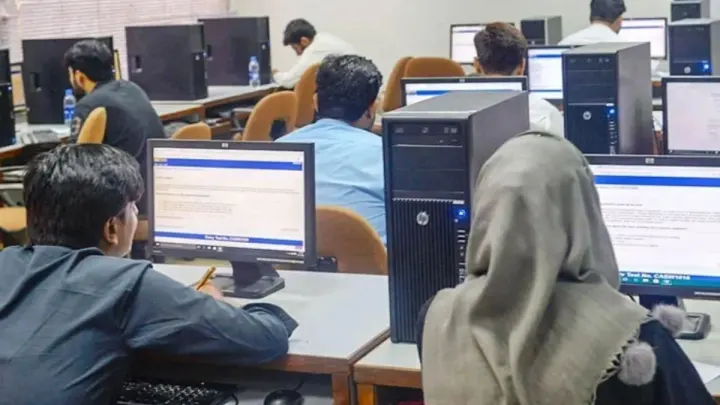
Illegal call centers often operate as fronts for various financial scams, unauthorized data collection, and fraudulent investment schemes targeting victims internationally or domestically. These operations require physical infrastructure, including banks of computers, specialized telecommunications equipment, and organized personnel networks. By shifting from swift deportation to formal criminal prosecution, Pakistani authorities aim to dismantle the organizational structures behind these illegal operations rather than simply removing individual workers from the jurisdiction.
Operating an unauthorized call center violates multiple telecommunications and cyber crime statutes. Foreign nationals participating in these syndicates typically enter the country on various visas, subsequently setting up clandestine operations in residential or commercial properties. The involvement of citizens from China, Indonesia, and Vietnam highlights the transnational nature of these criminal networks, which often recruit foreign workers to target specific linguistic or regional demographics.
Prosecuting these individuals in Pakistani courts involves filing formal challans, presenting digital evidence gathered during raids, and securing convictions under relevant penal codes. Once convicted, these offenders must serve their assigned prison terms in local correctional facilities before deportation procedures can resume. This ensures that individuals face legal accountability within the country where the offenses occurred.
Islamabad High Court Seeks Report on Agency Regularization
Separately, the Islamabad High Court (IHC) has sought a comprehensive report on the regularization of employees of the Federal Investigation Agency (FIA) and NCCIA. Justice Arbab Muhammad Tahir issued a written order while hearing a petition filed by Tauqir Jadoon. The court directed the relevant authorities to complete the process for granting permanent status to employees, conduct the required interviews, and submit their results.
According to the written order, the Federal Public Service Commission (FPSC) had submitted a clause-wise response and report on the petition. During the proceedings, the Additional Attorney General informed the court that FPSC approval was a mandatory legal requirement. He added that the scrutiny of applicants and interview process were underway, with the directors general of the FIA and NCCIA jointly conducting the interviews.
The court adjourned the hearing until December 8 and directed the relevant directors to submit a comprehensive report detailing the interview results. Employee regularization processes involve administrative evaluations, background checks, and adherence to federal service rules. Both the FIA and the NCCIA rely on structured personnel management to maintain operational capacity in combating complex cyber crimes and federal offenses.
Background and Institutional Framework of NCCIA
The National Cyber Crime Investigation Agency operates as a specialized body tasked with addressing digital offenses, online fraud, and unauthorized technological infrastructure within Pakistan. Cyber crime units coordinate intelligence gathering, execute tactical raids, and manage forensic examinations of seized digital assets. The agency works alongside other federal departments, including the Federal Investigation Agency, to secure digital spaces and enforce telecommunications regulations.
Investigating clandestine call centers requires advanced technical capabilities and inter-agency cooperation. Digital forensics teams analyze server logs, communication software, and financial transactions linked to the raided facilities. The transition toward criminal trials requires prosecutors to present airtight evidence in court, ensuring that legal proceedings withstand judicial scrutiny.
Legal experts note that prosecuting foreign offenders locally establishes a stronger deterrent against transnational cyber crime syndicates. Past deportation policies often allowed suspects to evade prison time, raising concerns about repeat offenses in other jurisdictions. By enforcing local penal codes, the NCCIA asserts greater regulatory control over illicit technological operations within national borders.
Next Steps and Judicial Proceedings
As the NCCIA proceeds with the prosecution of the more than 600 suspects arrested last month, courts will begin hearing individual cases. Defense attorneys and prosecutors will review the challans prepared by investigating officers. The outcomes of these trials will set legal precedents for handling foreign nationals involved in cyber offenses.
Meanwhile, the Islamabad High Court awaits the compliance report scheduled for submission by December 8. The joint efforts of the FIA and NCCIA directors general in conducting regularization interviews will be a key focus of the upcoming judicial review. Observers continue to monitor both the criminal proceedings against call center operators and the internal administrative updates within Pakistan's federal investigative agencies.