Boxer Gary Cully Honors Late Opponent Lee Reeves After Tragic Passing
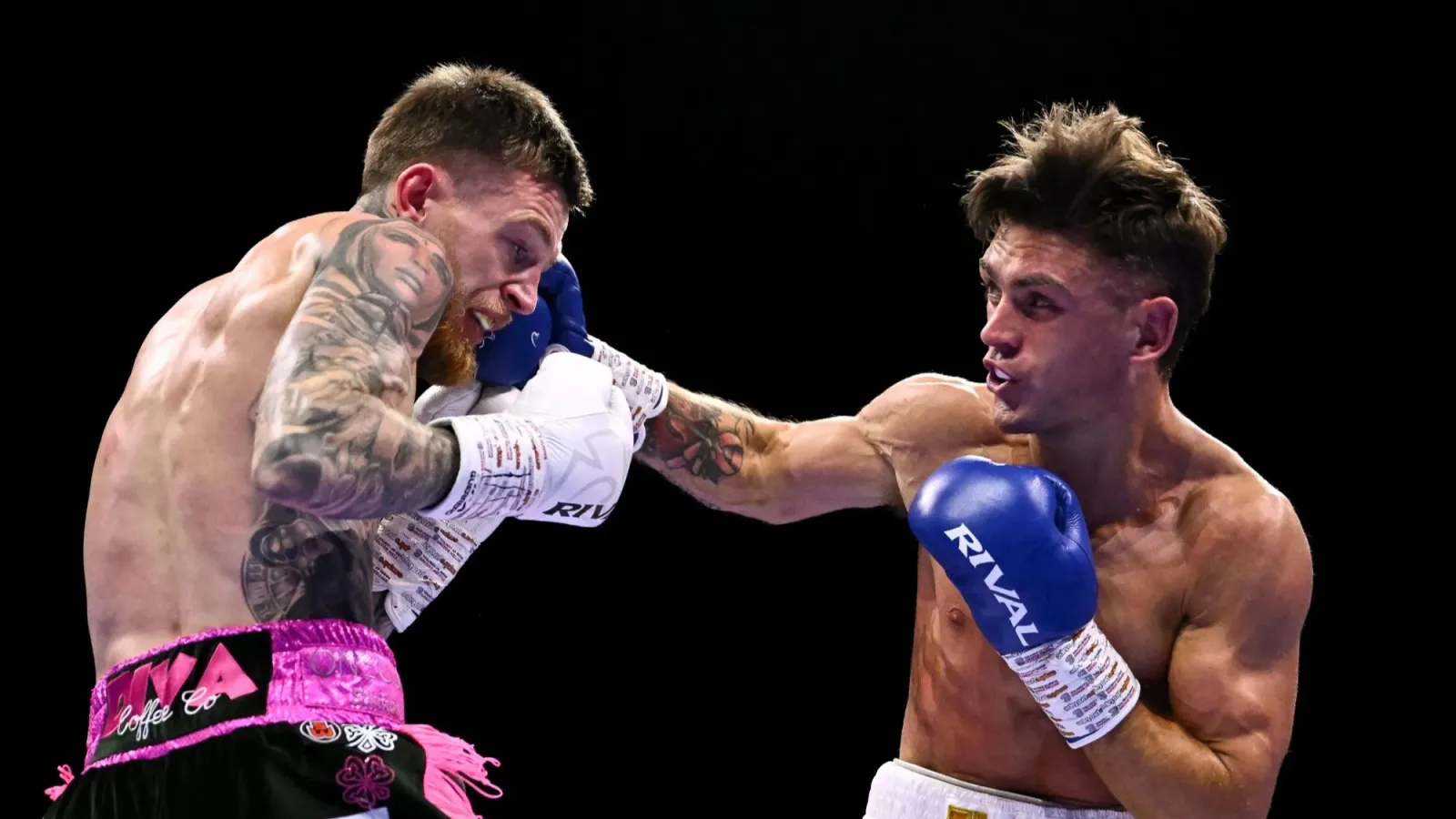
Boxer Lee Reeves passed away on Monday at the age of 31 following three months in a medically induced coma in hospital. The Irish fighter had been placed in the deep state of unconsciousness after suffering a tenth-round knockout loss to his final opponent, Gary Cully, during their bout at Dublin's 3Arena on August 1.
The tragic news has sent shockwaves through the international boxing community, prompting heartfelt tributes from fellow athletes, promoters, and fans around the world. Gary Cully, who shared the squared circle with Reeves on that fateful August night, led the emotional farewells with a moving statement published on social media.
Details of the August Bout and Medical Battle in Dublin
The tragic sequence of events began on August 1 at Dublin's prominent 3Arena venue. Lee Reeves faced off against fellow junior welterweight Gary Cully in a high-stakes bout that ultimately ended in a tenth-round knockout loss for Reeves. The physical toll of the final round left Reeves requiring immediate medical intervention, and he was subsequently placed in a medically induced coma.
For three months, Reeves remained hospitalized while fighting for his life. During his time at University Hospital in the city, he had recently shown multiple signs of recovery that gave hope to his family and supporters. While his sister sat at his bedside, Reeves squeezed her hand, blinked his eyes, smirked, and made a grunting noise, offering brief moments of encouragement during a long and agonizing hospital vigil.
Despite these small windows of improvement, Reeves tragically passed away after contracting a fatal infection over the weekend. His death at just 31 years old marks a somber moment for Irish boxing and sports fans who followed his recovery journey.
Gary Cully Shares Heartfelt Social Media Tribute
Gary Cully took to Instagram to share his grief and honor the memory of a competitor he had known for years. The junior welterweight offered a personal glimpse into their shared history within the sport, highlighting Reeves as both a formidable athlete and a warm individual outside the ring.
Cully wrote in his post: “We shared the ring back in August but we been going back for years.”
Recalling their amateur days, Cully added: “I still remember the stadium days when I used to watch Lee in the nationals the weight above me and always be impressed by his fights and his flashy gear.”
Cully also shared memories of their time together in training camps, noting: “Myself and Luke Thomas used to plague him to spit us out an MC when we were staying in Dublin on training camp and they'd always be fire.”
Concluding his tribute, Cully stated: “What a character and a gent. It's never been nothing love between us champ can't really believe I'm writing this but RIP brother.”
Tributes From Across the Boxing World Pour In
The broader boxing community quickly responded to the tragic passing of Lee Reeves, expressing deep sorrow and offering condolences to his grieving family. Queensberry Promotions chief Frank Warren used social media to voice his grief over the loss of the young athlete.
Frank Warren wrote on X: “This is heartbreaking news.”
Warren continued: “Lee was a fine young man and a credit to the sport. He will be sorely missed, and my thoughts and prayers are with his family and all who loved him.”
Numerous other figures from the sport, along with devoted fans, shared messages online, remembering Reeves for his dedication, vibrant personality, and sportsmanship throughout his professional career.
Understanding the Risks and Realities of Professional Boxing
The passing of Lee Reeves brings the inherent dangers of professional combat sports back into sharp focus. Boxers train rigorously to compete at elite levels, subjecting their bodies to extreme physical stress, endurance testing, and high-impact trauma. Athletic commissions and medical teams maintain strict protocols at venues like Dublin's 3Arena, deploying ringside physicians and emergency medical staff to respond immediately when injuries occur during bouts.
When catastrophic injuries happen, fighters are immediately transferred to specialized medical facilities, such as University Hospital in Dublin, where neurological specialists manage severe trauma and monitor patients in intensive care units. Medically induced comas are sometimes used by medical professionals to reduce brain swelling and allow the brain to heal following severe physical trauma sustained in the ring.
Despite modern safety measures, advanced medical care, and ringside regulations, the sport of boxing carries severe occupational risks. The loss of a competitor as young as 31 serves as a stark reminder of the ultimate physical sacrifice some athletes make in pursuit of their professional dreams inside the ropes.
Remembering the Life and Career of Lee Reeves
Lee Reeves built a reputation within the Irish boxing scene as a dedicated competitor with a distinct flair, remembered fondly by opponents like Gary Cully for his flashy gear and engaging personality. Beyond his athletic achievements, colleagues remember him as a gentleman who maintained mutual respect with his peers, even those he fought against in high-stakes championship environments.
As family, friends, and fans mourn his passing, the legacy of Lee Reeves remains etched in the memories of those who watched him compete in the national tournaments and professional cards. The outpouring of grief from prominent figures like Frank Warren and Gary Cully underscores the profound impact Reeves had on the people around him during his life and career.