Thatta Cement Enters Pakistan Electric Vehicle Market With Affordable Chinese Imports
Thatta Cement is planning to enter Pakistan's electric vehicle market through a wholly owned subsidiary, initially importing fully built electric cars from China. The cement manufacturer disclosed the plan in a notice submitted to the Pakistan Stock Exchange (PSX) on Thursday, confirming that its board of directors had approved the investment.
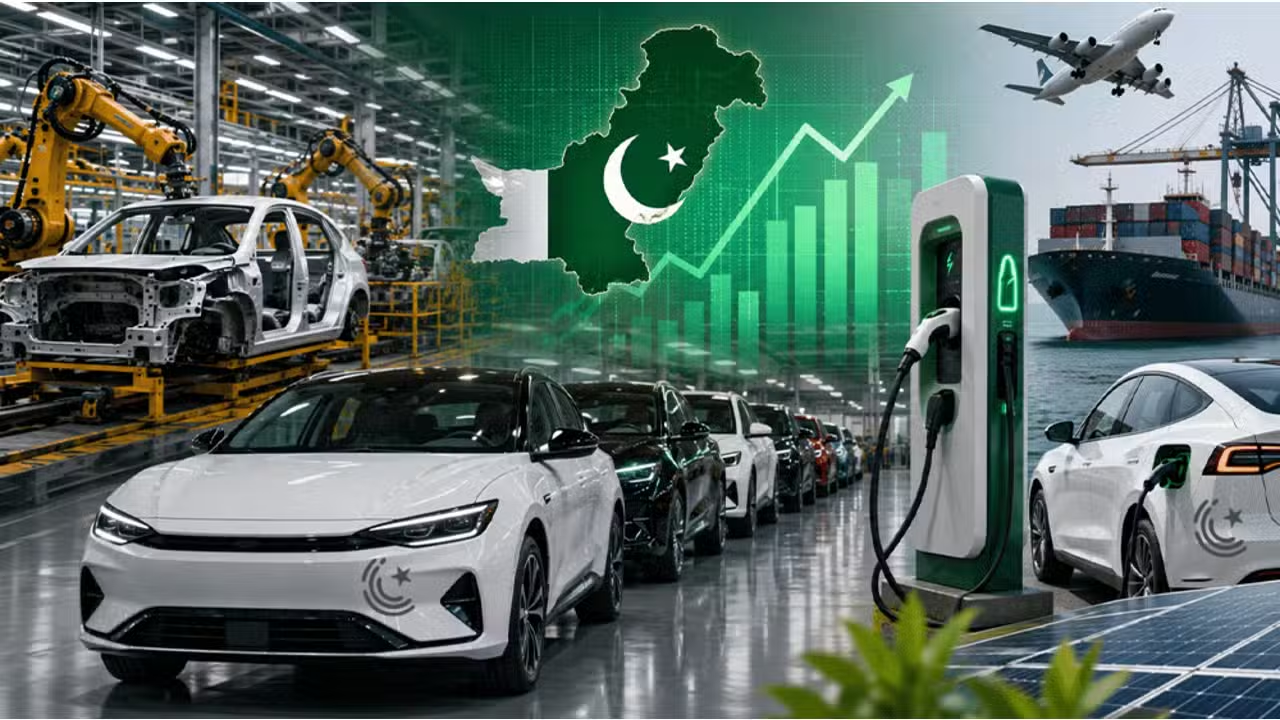
The company said Pakistan's EV market was growing as more consumers showed interest in electric mobility and international and local brands entered the sector. Government incentives and tax concessions have also supported the market's expansion.
Why Thatta Cement Is Targeting the Mass-Market Electric Vehicle Segment
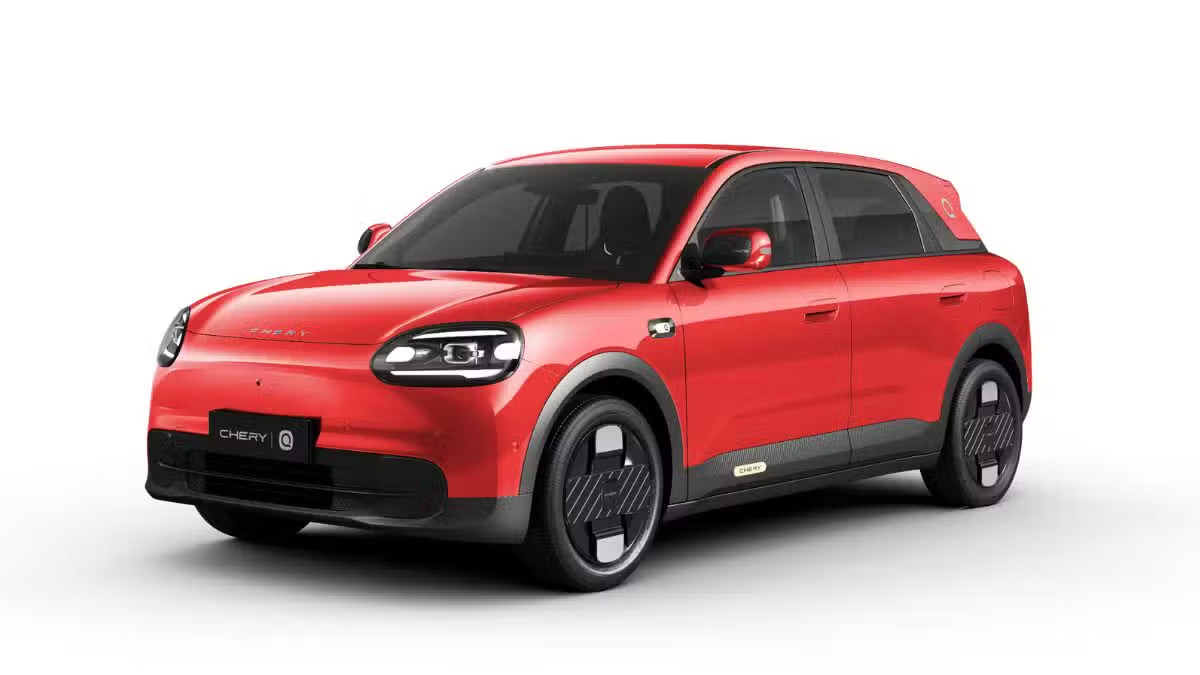
Thatta Cement plans to target the mass-market segment rather than focus on premium electric vehicles or conventional niche markets. The company intends to introduce affordable, compact and small electric vehicles designed to meet the mobility needs and purchasing power of a wider range of consumers. The strategy focuses on bringing accessible transportation options to buyers who might otherwise find electric mobility out of reach.
Initially, the subsidiary will import completely built-up (CBU) electric vehicles from China. However, the company may expand into local assembly and other related activities in the future. Importing completely built-up units allows the firm to test consumer response and establish a foothold without immediate factory setup costs.
Understanding the Pakistan Stock Exchange and Corporate Diversification
The Pakistan Stock Exchange serves as the primary platform where publicly listed companies in the country disclose major strategic shifts, board approvals, and financial decisions to shareholders and regulators. When a firm listed on the exchange decides to enter an entirely new industry, such as moving from building materials into automotive imports, formal notices are legally required to maintain market transparency.
Corporate diversification is a business strategy where a company expands its operations outside its core product line. For a traditional industrial manufacturer like a cement producer, diversifying into green technology and automotive retail represents a way to hedge against cyclical downturns in construction. Industrial firms often seek out high-growth sectors like electric mobility to secure alternative revenue streams for the long term.
The Evolution of Electric Mobility and Government Incentives in Pakistan
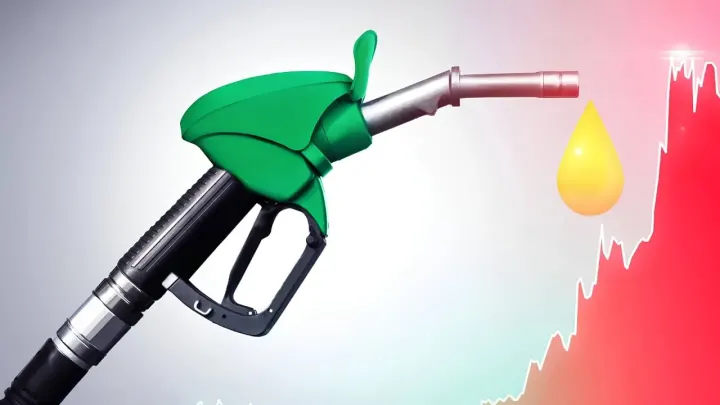
Pakistan has experienced a gradual shift toward electric mobility over recent years, driven by rising fuel costs and environmental concerns. The national government has introduced various tax concessions, tariff adjustments, and policy incentives to encourage both consumers and businesses to adopt electric vehicles. These measures aim to reduce the country dependence on imported petroleum products and lower urban air pollution levels.
International and local brands have slowly entered the sector, testing consumer readiness for battery-powered cars, two-wheelers, and commercial transport. While early adoption was hindered by a lack of charging infrastructure and high upfront costs for imported models, policy support has helped create a more receptive environment for new entrants.
How Importing Completely Built-Up Units Works in the Automotive Industry
In the automotive sector, a completely built-up vehicle refers to a car that is manufactured, assembled, and fully tested in its country of origin before being shipped directly to the destination market. Importers bring these vehicles across borders ready for sale, sparing the business from the capital expenditure required to build local manufacturing plants immediately.
China has emerged as a dominant global producer of affordable electric vehicles, featuring a wide array of compact and small car models suited for dense urban environments. By sourcing from Chinese manufacturers, new entrants in developing markets can secure competitively priced inventory that appeals to budget-conscious buyers looking for low operating costs.
Assessing the Impact on Consumers and the Local Business Sector
Consumers in the mass-market segment stand to benefit if more affordable electric vehicle options become available on local roads. Lower purchase prices and reduced running costs compared to petrol cars can make private vehicle ownership more accessible to middle-income households. Small electric cars also contribute to reducing traffic-related emissions in congested cities.
For the local business sector, the entry of established industrial players into the electric vehicle space signals increasing competition and commercial interest in green technology. Other traditional manufacturers may observe Thatta Cement progress before deciding whether to launch their own ventures in the sustainable transportation sector. The company did not disclose the planned investment amount for this new subsidiary.
Future Outlook and What to Watch in Pakistan Electric Vehicle Sector
Thatta Cement said the move would help it establish an early presence in Pakistan's evolving EV market and build a sustainable business in the sector. Observers and market analysts will monitor the formal launch of the subsidiary, the specific vehicle models selected for import, and retail pricing strategies.
Further developments to watch include potential announcements regarding local assembly timelines, regulatory approvals for vehicle safety standards, and the expansion of public charging networks across major cities. As the regulatory framework matures, the pace at which companies transition from importing vehicles to manufacturing them domestically will shape the trajectory of Pakistan green automotive industry.