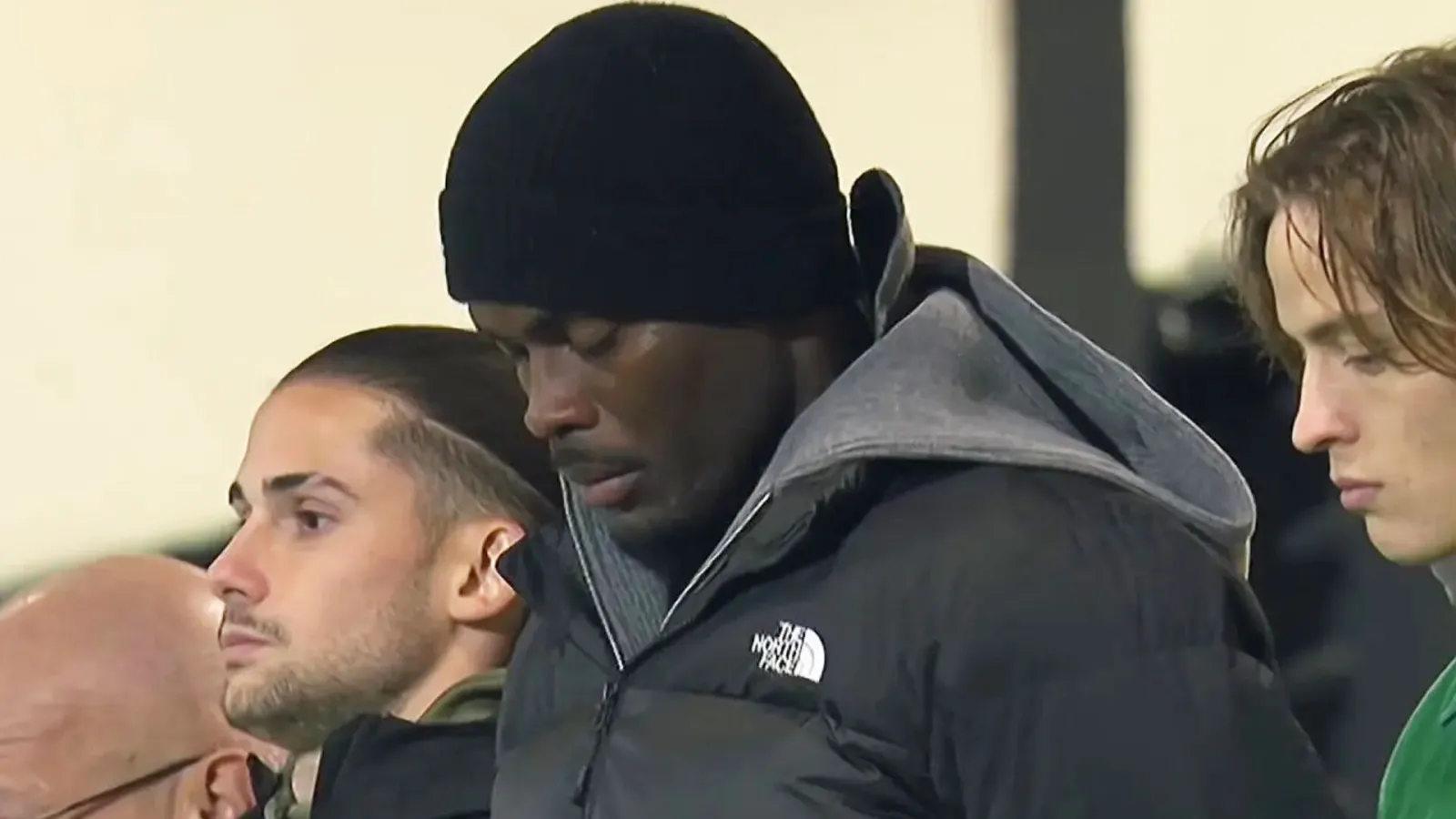
Goalkeeper Jesus Owono was spotted at a public tribute for Jesus de Miguel on Saturday, marking his first appearance since the fatal challenge that killed the Spanish striker during a Segunda Division match between FC Andorra and CD Tenerife.
The incident, which occurred earlier this month, has dominated football headlines worldwide and raised questions about player safety, disciplinary procedures, and the emotional toll on those involved.
What Happened on the Pitch?
On the day of the match, the 25-year-old Equatoguinean goalkeeper Owino was involved in a 50-50 challenge with Tenerife forward Jesus de Miguel. The collision took place in the middle of a tightly contested game that was locked at 2-2 when the challenge occurred. Miguel suffered severe injuries and was rushed to hospital, where his condition deteriorated and he died less than 24 hours later.
FC Andorra's disciplinary committee, acting under the authority of the Royal Spanish Football Federation (RFEF), imposed a 12-match ban on Owono for the tackle. The sanction reflects the federation's strict stance on dangerous play, especially in light of the fatal outcome.
Why the Incident Has Sparked Wider Debate
The tragedy has reignited discussions about the adequacy of existing safety protocols in Spanish football. While the RFEF already enforces strict rules on violent conduct, the death of a player on the field is a rare and extreme outcome that has prompted calls for clearer guidelines on high-impact challenges.
Medical experts have pointed out that rapid on-field assessment and immediate transport are critical in such cases. In Miguel's situation, medics responded promptly, but the severity of his injuries proved unsurvivable.
How the Football Community Has Responded
In the days following the incident, clubs, players, and fans across Europe expressed condolences. A minute's silence was observed before the next round of matches, and many teams wore black armbands as a sign of respect.
FC Andorra organised a tribute at Encamp Stadium in the capital of Andorra. Players entered the pitch wearing shirts bearing Miguel's name and carried bouquets of white flowers. The atmosphere was somber, with the crowd offering vocal support to Owono and the grieving families.
Jesus Owono's First Public Appearance
According to Marca, Owono arrived at the stadium wearing dark clothing and a black beanie. He stood silently during the minute's silence, then knelt to pray after the ceremony ended. Witnesses described his face as "etched with sadness," reflecting the emotional weight he carries.
After the tribute, Owono broke his silence with a statement released through FC Andorra. He said, "These are the most difficult days of my life. I am struggling to find the words, and it is very hard for me to process anything that has happened. I feel immense pain over the loss of Jesus. I am thinking of him, his family, and all the people who loved him. I know there will be many matters to address, and I will face whatever comes with complete respect. But right now, honestly, I cannot think of anything other than Jesus and the grief we are experiencing. Rest in peace, Jesus."
Impact on Owono's Career and Mental Health
Owono, who has been a regular starter for FC Andorra, reportedly considered retiring after the incident. The psychological impact of being directly involved in a fatal injury is profound, and sports psychologists stress the need for professional counseling in such cases.
FC Andorra has confirmed that the club is providing mental-health support to Owono and other players affected by the tragedy. The federation's disciplinary decision also includes a requirement for Owono to attend a safety-awareness program before returning to competitive play.
Legal and Disciplinary Follow-Up
The 12-match ban imposed by the RFEF's Disciplinary Committee is one of the harsher penalties handed out in recent years for a single challenge. The committee cited "serious danger to the safety of an opponent" as the rationale for the sanction.
Legal experts note that while the ban is a sporting sanction, families of deceased players sometimes pursue civil actions for wrongful death. As of now, no such lawsuit has been filed by Miguel's family, but the possibility remains under local Andorran law.
What Comes Next for the Teams and the Federation?
FC Andorra will serve Owono's suspension over the next season, meaning the club must rely on a backup goalkeeper for the remainder of the ban. The team's management has already identified a replacement and is adjusting training schedules accordingly.
The RFEF has announced a review of its disciplinary guidelines, promising a report by the end of the calendar year. Stakeholders expect recommendations on stricter enforcement of dangerous-play rules and enhanced medical protocols during matches.
Practical Takeaways for Fans and Players
For supporters, the tribute highlighted the importance of solidarity in times of tragedy. Fans are encouraged to respect the privacy of grieving families and to channel their emotions through appropriate channels, such as organized moments of silence.
Players at all levels are reminded to prioritize safety, to avoid high-risk challenges, and to seek immediate medical assistance when injuries occur. Clubs are urged to invest in mental-health resources for athletes dealing with traumatic events.
As the football world continues to mourn the loss of Jesus de Miguel, the incident serves as a stark reminder of the physical risks inherent in the sport and the responsibility of governing bodies to protect players.