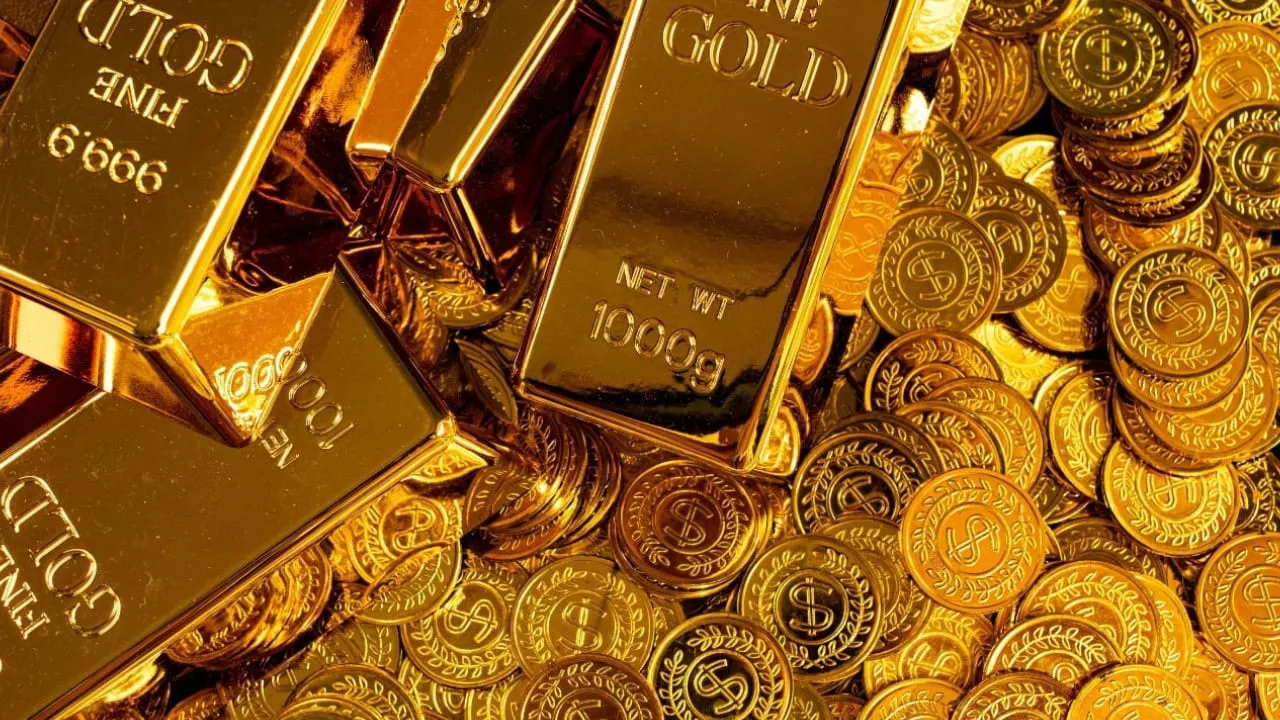
Stalled US-Iran Talks Send Shockwaves Through Global Precious Metal Markets
Stalled US-Iran negotiations are currently driving significant volatility in precious metals. President Trump recently demanded historical conflict compensation from Tehran. This demand effectively freezes ongoing peace talks. The sudden deadlock crushes any immediate hope of reopening the Strait of Hormuz. Consequently, spiking global oil prices fuel fresh inflation fears. Anxious investors aggressively buy gold and silver as safe-haven assets. In Pakistan, these international shocks push local prices of these assets sharply higher. Local Sarafa markets constantly adjust prices to absorb these macroeconomic hits.
Understanding Gold And Silver Rates In Pakistan Today
Market watchers and retail buyers closely monitor daily rate sheets issued by trade bodies. Local Sarafa markets constantly adjust prices to absorb international macroeconomic hits. Fluctuations in foreign exchange reserves and currency valuations also play a major role in determining final domestic figures. Buyers across major commercial centers observe these adjustments in real time as trading sessions open.
Here is a breakdown of the gold and silver rates in Pakistan today:
- Gold 24K Per Tola: Rs. 376,407
- Gold 24K Per 10 Grams: Rs. 322,714
- Gold 24K Per 1柏 Gram: Rs. 32,271.40
- Silver 24K Per Tola: Rs. 4,389.45
- Silver 24K Per 10 Grams: Rs. 3,763.31
- Silver 24K Per 1 Gram: Rs. 376.331
International Spot Market Prices For Precious Metals
Global bullion values dictate the baseline for domestic bullion commerce across South Asia and other importing nations. When international spot values move, domestic markets react within hours. Traders look at New York and London benchmark quotes to price local inventory accurately.
Here is a breakdown of the international rates for today:
- Spot Gold: $3,617.27 per troy ounce
- Spot Silver: $42.19 per troy ounce
How Geopolitical Tensions Influence Inflation And Commodity Valuations
Geopolitical friction in the Middle East historically triggers immediate reactions in energy and bullion sectors. When transit routes like the Strait of Hormuz face security threats, energy supplies tighten rapidly. Higher oil costs directly increase manufacturing and transport expenses worldwide, sparking broader inflation worries. Central banks and institutional funds respond to these threats by shifting capital into bullion. This institutional demand drains available supply and lifts spot quotations across global exchanges.
The Role Of Local Sarafa Markets In Price Adjustments
Domestic jewelers and bullion traders rely on daily updates from market committees to set retail values. These local entities calculate domestic rates by factoring in international spot figures, shipping logistics, and currency exchange rates. Consumers purchasing jewelry or investment bars must check these updated figures before completing transactions. Retail shops update their display boards as soon as official Association rates become available each morning.