Understanding the Daily Petrol and Diesel Price Update Strategy
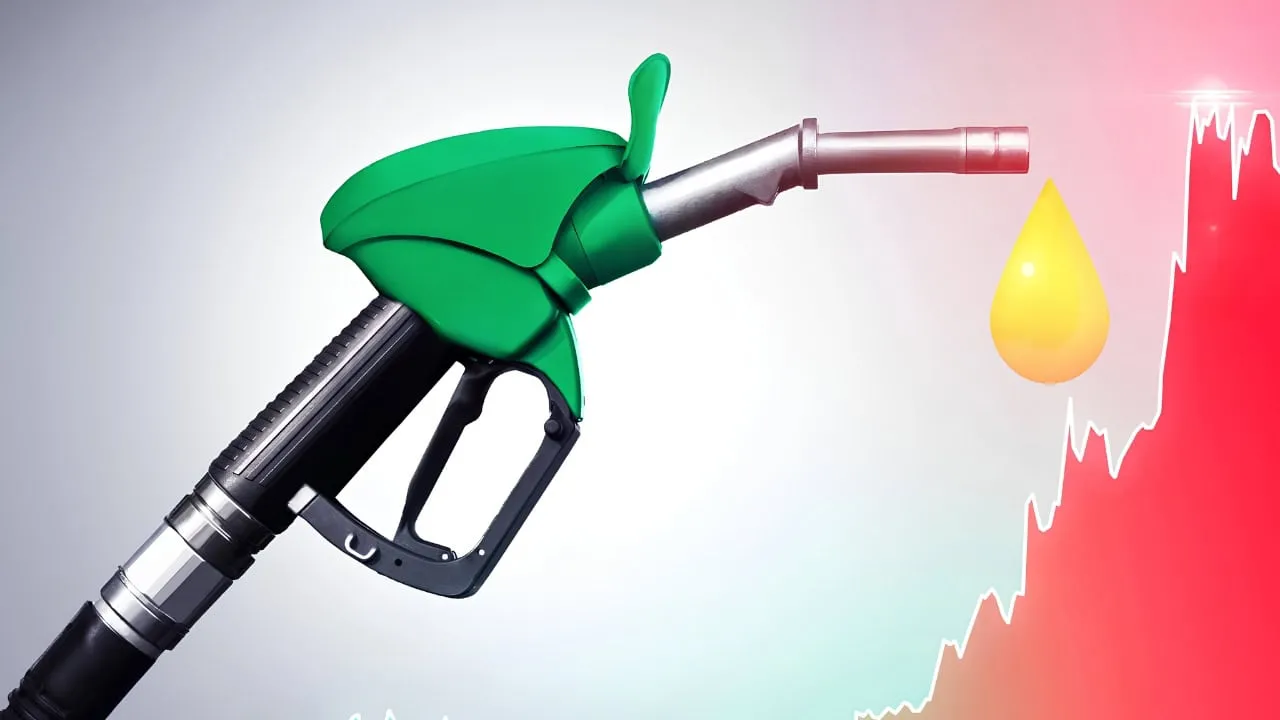
The Federal Government has officially transitioned to a strategy of adjusting petrol and diesel prices daily. Effective July 17, 2026, the Oil and Gas Regulatory Authority (OGRA) has started revising the ex-depot prices of petroleum products, including petrol and diesel, every 24 hours. The government implemented this drastic measure to shield the local economy from extreme market volatility.
This method marks a sharp break from past practices of fortnightly or monthly reviews. By shifting to a daily schedule, authorities aim to pass international cost fluctuations directly to the pumps without accumulating massive deficits or sudden shock hikes. Consumers must now monitor fuel rates continuously as market conditions shift around the clock.
Latest Fuel Price Changes and Market Trends
The newly revised prices show a downward trend for consumers. OGRA has announced a decrease in the price of Motor Spirit (MS), commonly known as petrol. Meanwhile, the price of High Speed Diesel (HSD) has not seen any change.
For Motor Spirit, the price moved from Rs. 322.00 to Rs. 319.00, marking a reduction of Rs. 3.00. High Speed Diesel remained steady at Rs. 357.00, showing no difference from the previous rate recorded on October 21, 2026. These figures reflect the latest computations carried out by regulatory bodies.
Authorities also established specific rules for weekend operations. These daily adjustments will remain unchanged during weekends (Saturdays and Sundays) and public holidays, ensuring stability in retail operations over non-business days.
How the Global Energy Crisis Caused Fuel Price Volatility
This pricing shift directly results from the largest disruption to the world energy supply since the 1970s. The 2026 US-Israel war on Iran triggered a massive global fuel crisis. In late February, Iran blocked shipping traffic through the Strait of Hormuz. This critical maritime chokepoint previously handled about 25% of the world's seaborne oil trade. The United States retaliated with an extensive naval blockade on Iranian ports.
Energy analysts point out that the Strait of Hormuz serves as the central artery for Middle Eastern crude oil exports. When tankers cannot pass through this narrow passage between Oman and Iran, global supply chains instantly freeze. Importing nations find themselves scrambling for alternative sources while international benchmark prices swing wildly.
The Collapse of the Ceasefire and Ongoing Conflict
A temporary ceasefire briefly restored hope in June. However, the truce completely collapsed on July 8 following renewed strikes on commercial vessels. Iran immediately closed the strait again. The US military subsequently launched consecutive rounds of airstrikes to force it open. These relentless crossfires and blockades continue to strangle global oil shipments.
Commercial shipping companies have largely suspended operations through the affected zone due to extreme security risks. Insurance premiums for vessels operating in the Persian Gulf have skyrocketed. Consequently, OGRA must now manage the crisis with daily adjustments in petrol and diesel prices at the pump.
The Role of OGRA in Regulating Petroleum Products
The Oil and Gas Regulatory Authority operates as the primary watchdog for the domestic energy sector. It calculates ex-depot prices based on imported crude oil costs, exchange rates, and petroleum levy adjustments set by the finance ministry. When international markets experience extreme turmoil, the regulatory burden increases significantly.
In normal economic cycles, prices remain fixed for longer periods to give citizens predictability. However, the current geopolitical crisis forces regulators to adopt rapid response mechanisms. Daily evaluations prevent the accumulation of massive price gaps that would otherwise require unmanageable subsidies from the national treasury.
Impact of Daily Fuel Price Revisions on Citizens and Businesses
Transport operators, logistics firms, and everyday motorists face new financial planning challenges under the daily adjustment system. Fleet owners can no longer budget fuel expenses on a predictable monthly basis. Small business owners who rely on diesel generators for backup power must also adapt their operational costs.
On the positive side, downward revisions like the recent drop in petrol prices provide immediate relief at the pump. Consumers do not have to wait weeks for falling international oil prices to reflect in local retail rates. This direct linkage ensures that market dips benefit drivers right away.