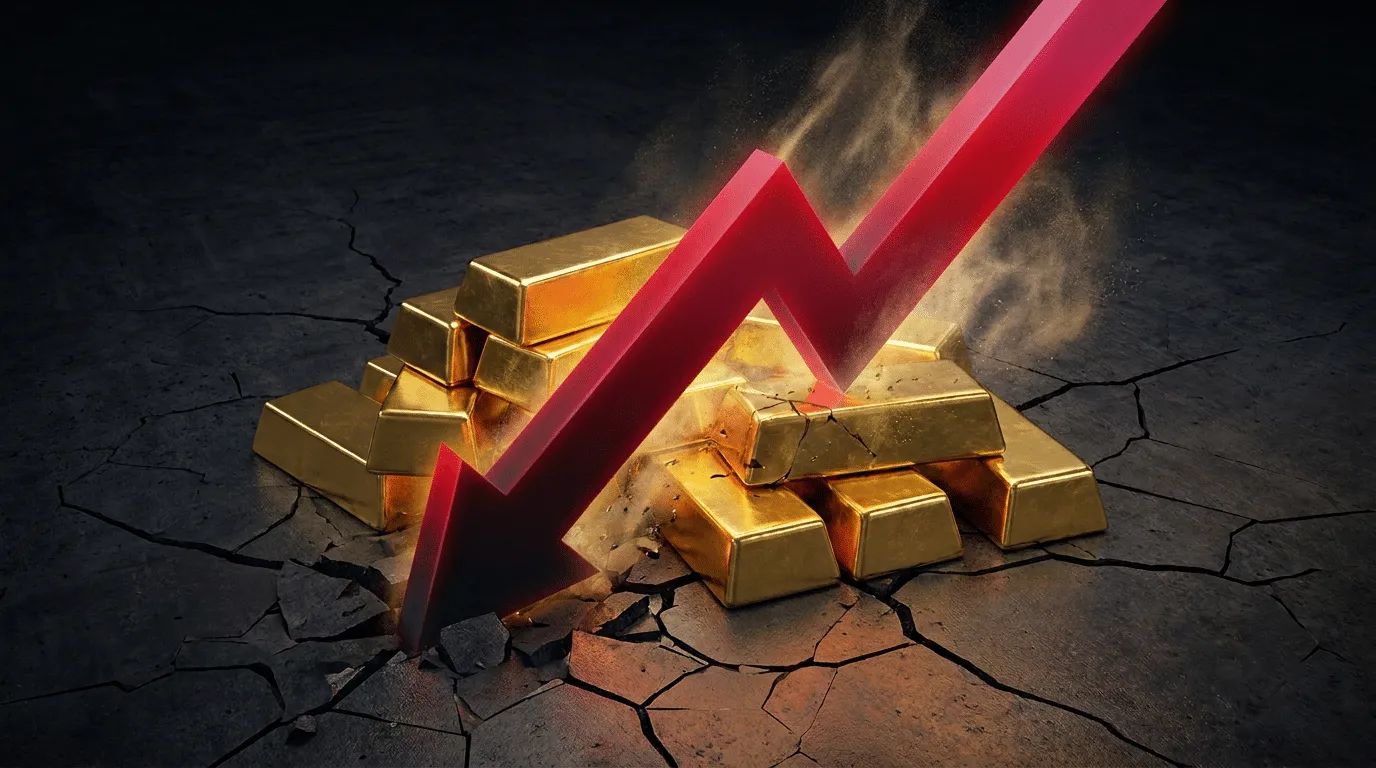
Gold Prices Decline Across Pakistan Markets on Tuesday
Gold prices declined in Pakistan on Tuesday, with the price of 24-karat gold falling by Rs. 1,500 per tola to Rs. 430,836. The downward adjustment brings a brief respite to domestic buyers after a volatile start to the weekly trading sessions across local bullion markets.
According to the All-Pakistan Gems and Jewellers Sarafa Association (APGJSA), the price of 10 grams of gold also decreased by Rs. 1,286 to Rs. 369,372. This shift reflects direct transmission from global commodity trading floors down to local sarafa bazaar rates.
How Monday Gains Preceded the Tuesday Price Correction
The Tuesday decline followed a Rs. 3,200 increase in the per-tola price on Monday, when gold reached Rs. 432,336. Such rapid fluctuations highlight the fast-paced nature of precious metals trading within the country.
Market participants often experience sharp intraday and day-on-day swings as domestic dealers react to foreign currency fluctuations and global bullion trends. The reversal on Tuesday wiped out a significant portion of the gains registered at the start of the week.
International Market Influences on Local Bullion Rates
In the international market, gold prices fell by $15 to $4,083 per ounce, contributing to the decline in local rates. Pakistan heavily relies on international pricing benchmarks since the country imports its gold bullion to meet domestic demand.
When foreign per-ounce valuations move downward, local associations adjust domestic pricing schedules to maintain parity with global supply costs. Traders monitor these international shifts closely to determine buying and selling strategies for retail customers and investors.
Stability in the Domestic Silver Market
Meanwhile, silver prices remained unchanged at Rs. 5,723 per tola in Pakistan. While gold experienced a notable price correction, the silver segment maintained its position without any upward or downward movement during the same trading session.
Industrial demand and retail jewelry purchases for silver often follow different trajectories compared to gold. Market analysts observe that silver maintains steady rates even when yellow metal valuations undergo daily adjustments.
Understanding the All-Pakistan Gems and Jewellers Sarafa Association
The All-Pakistan Gems and Jewellers Sarafa Association serves as the primary authority for setting daily bullion rates across the country. Jewelers and traders rely on official APGJSA bulletins to ensure uniform pricing in major cities such as Karachi, Lahore, and Islamabad.
Association officials compile data from both international commodity exchanges and local market demand to compute per-tola and 10-gram rates. This centralized mechanism helps protect consumers and traders from extreme price discrepancies across different regional markets.
Economic Impact on Consumers and Investors
Fluctuations in precious metal prices directly affect retail buyers, wedding shoppers, and private investors who use bullion as a hedge against inflation. When rates sit at high levels like Rs. 430,836 per tola, retail sales volumes often experience shifts as households adjust their purchasing plans.
Investors who monitor per-ounce international trends view price dips as potential entry points, while others remain cautious due to ongoing market volatility. Small businesses and local artisans also feel the impact as consumer spending patterns change in response to changing commodity valuations.
What to Watch for in Future Bullion Trading Sessions
Market observers recommend tracking global economic indicators, US dollar strength, and international central bank policies to anticipate future gold movements. Any sudden shifts in foreign exchange reserves or geopolitical tensions can quickly alter per-ounce prices abroad.
Domestic buyers should consult daily APGJSA rate sheets before conducting transactions in local sarafa markets to ensure accurate pricing. Further updates will depend on how international bullion desks perform during the remainder of the business week.