Gold Prices in Pakistan Recover Sharply After Difficult Week
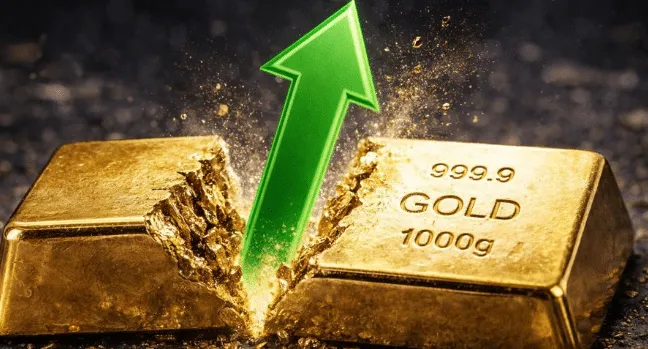
Gold prices in Pakistan recorded a sudden increase in prices on Monday, with the price of one tola rising by Rs. 7,800 to Rs. 384,136 in the local market. This sharp upward movement brings a sense of relief to domestic bullion traders and investors following a brutal period of losses that weighed heavily on the market over the preceding days. Market participants watched closely as trading resumed, hoping that the sudden shift would stabilize local sentiment after a week defined by consistent downward pressure.
According to the All-Pakistan Gems and Jewellers Sarafa Association (APGJSA), the price of 10-gram gold also recovered by Rs. 6,687 to Rs. 329,334. The association tracks daily market fluctuations and sets the official rates for precious metals across the country, providing transparency for buyers and sellers alike. Such substantial single-day corrections are unusual in magnitude, highlighting the volatile nature of the current economic environment and how closely domestic rates track external financial shifts.
Understanding the Previous Losses in the Local Market
The recent recovery follows a bruising stretch for domestic bullion holders, characterized by heavy selling and declining valuations. Just prior to the weekend break, gold lost Rs. 3,500 on Saturday to settle at Rs. 376,336 per tola. That Saturday drop compounded earlier losses from the week, leaving retail buyers hesitant and forcing dealers to adjust their positions rapidly. The compounding effect of these decreases created a pessimistic atmosphere in sarafa bazaars across major cities, where traders reported sluggish demand and cautious consumer behavior.
Precious metal trading in Pakistan relies heavily on a combination of international benchmark rates and domestic currency valuations. When global bullion values drop, local associations adjust rates downward to reflect parity, protecting importers and ensuring that domestic prices do not diverge too far from global standards. However, rapid drops often catch retail investors off guard, especially those who view the yellow metal as a long-term safe haven against inflation and currency depreciation.
International Market Movements and Global Trends
The domestic turnaround was directly driven by strong upward momentum on the global stage, where bullion staged an equally impressive bounce. In the international market, gold prices rebounded by $78 to reach $3,616 per ounce. Global commodity exchanges reacted to shifting macroeconomic indicators, currency fluctuations, and investor demand, prompting buyers to re-enter the market after days of profit-taking and liquidations.
International bullion pricing serves as the foundational anchor for local rates in Pakistan. Because the country imports raw precious metals to meet domestic demand, any significant swing in the ounce rate abroad translates almost immediately into adjustments within local sarafa markets. Analysts monitoring the global economy noted that the $78 rebound helped erase some of the heavy losses accumulated earlier in the week, restoring confidence among international institutional investors.
Silver Prices Follow Gold with Moderate Gains
Precious metals seldom move in isolation, and the positive sentiment on Monday extended beyond gold into the silver market. Silver prices also increased in Pakistan, with one tola becoming Rs. 135 more expensive to reach Rs. 4,735. While silver trades at a fraction of gold value, it remains an important asset class for smaller retail investors and industrial users within the country.
The modest increase in silver reflects steady local demand and alignment with broader precious metal trends. Jewelers and craftsmen who rely on silver for various ornaments and decorative items adjusted their pricing to match the updated association rates. Although silver experienced less dramatic swings than gold, the upward adjustment confirms that the buying interest on Monday was broad-based across multiple commodities.
How the All-Pakistan Gems and Jewellers Sarafa Association Operates
The All-Pakistan Gems and Jewellers Sarafa Association plays a central role in determining daily metal valuations within the country. By monitoring international ounce rates, currency exchange rates, and local supply dynamics, the association ensures that retail prices remain consistent across different provinces and markets. Jewelers, traders, and consumers rely on these official figures to conduct daily transactions with confidence.
Market observers often look to the association announcements to gauge the health of the retail gold sector. Days of heavy losses typically result in reduced foot traffic in sarafa markets, as ordinary citizens hold back on wedding purchases and investment buying. Conversely, sudden recoveries like the one seen on Monday tend to draw renewed interest from individuals looking to buy before prices climb further.
What Lies Ahead for Precious Metal Buyers and Investors
Market participants face a complex environment as they evaluate whether the Monday recovery represents a temporary bounce or the start of a sustained upward trend. Precious metal prices remain vulnerable to sudden shifts in global economic policy, geopolitical developments, and currency movements. Investors are advised to watch international benchmark figures closely and consult official association rates before executing large transactions.
For ordinary citizens planning purchases for upcoming wedding seasons or long-term savings, volatility underscores the importance of careful timing. While gold has historically served as a reliable hedge against economic uncertainty, short-term price swings require buyers to remain vigilant. The coming days will reveal whether international markets maintain their current footing or if further corrections await local traders.