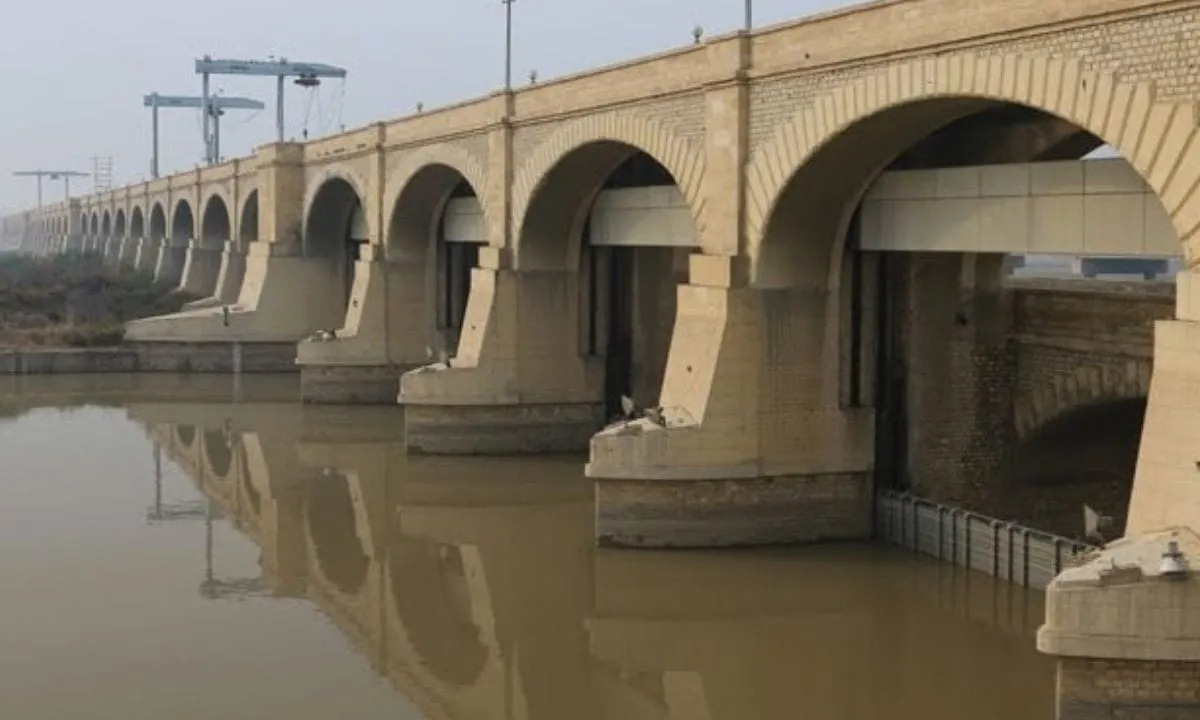
Authorities have advised residents of Jamshoro, Hyderabad and Kotri not to drink water drawn from the Indus River after dissolved solids in the river rose to dangerous levels within a month.
What caused the sudden rise in Total Dissolved Solids?
The warning follows a letter from the Kotri Barrage Engineer to the Superintending Engineer of the Baghiar Circle in Hyderabad. The letter states that the concentration of Total Dissolved Solids (TDS) in the river has climbed sharply, making the water harmful for consumption in the three cities.
Total Dissolved Solids measured 660 milligrams per litre in September and reached 940 milligrams per litre on October 1, an increase of nearly 43 percent. The letter also notes a rise in toxic and harmful elements in the water supplied to residents.
Why is high TDS a health risk?
Officials said that drinking contaminated water can cause kidney disease, hepatitis, and skin and stomach infections. They cautioned that a failure to act promptly could lead to a public health emergency in the affected cities.
What actions are being demanded?
The letter calls for a ban on the discharge of untreated wastewater from Manchar Lake and the Matiari Sugar Mill into the river. It also demands the immediate release of additional freshwater from Sukkur Barrage towards Kotri to dilute the contamination.
Background on water quality standards in Pakistan
Pakistan's National Environmental Quality Standards (NEQS) set the safe limit for TDS in drinking water at 500 milligrams per litre. Levels above this threshold are considered unsuitable for regular consumption and may require treatment before use. The World Health Organization (WHO) recommends a maximum of 600 milligrams per litre for aesthetic reasons, though health effects become more pronounced at higher concentrations.
Historically, the Indus River has been the primary source of drinking water for millions in Sindh province. Seasonal variations, agricultural runoff, and industrial effluents have periodically affected water quality, but the recent spike is unprecedented in recent records.
How wastewater and industrial discharge affect the Indus
Manchar Lake, located north of Hyderabad, receives untreated sewage from surrounding settlements. During the monsoon season, overflow from the lake often reaches the Indus, adding organic load and dissolved minerals. The Matiari Sugar Mill, a major processing plant, discharges process water containing high levels of sulphates and phosphates. Both sources contribute to the overall increase in dissolved solids.
What is the role of the Sukkur Barrage?
The Sukkur Barrage, one of the world's largest irrigation structures, regulates flow on the Indus and supplies water to downstream districts. By releasing additional freshwater towards Kotri, the barrage can lower the concentration of dissolved solids through dilution. Engineers estimate that a release of 2,000 cubic metres per second could bring TDS levels back within safe limits within a week, provided upstream sources are controlled.
Potential impact on daily life
Residents of Jamshoro, Hyderabad and Kotri rely on tap water for cooking, drinking and hygiene. A ban on river water use forces households to seek alternative sources such as bottled water, tanker deliveries or deep-well pumps, which are more expensive. Small businesses, especially those in food preparation, may face increased operating costs and risk of product contamination.
Public health clinics in the three cities have reported a rise in cases of gastro-intestinal distress over the past two weeks, a trend officials attribute to the deteriorating water quality. If the situation escalates, hospitals could see a surge in patients with kidney-related ailments, putting pressure on already strained medical resources.
What steps can residents take now?
Health officials advise boiling water for at least three minutes before consumption, using certified water filters that remove dissolved minerals, or purchasing commercially packaged drinking water. Schools and hospitals have been instructed to switch to alternative supplies until the river water meets safety standards.
What comes next?
The Superintending Engineer of the Baghiar Circle is expected to forward the Kotri Barrage Engineer's letter to the Sindh Irrigation Department for immediate action. The department will likely convene an emergency meeting to approve the release of additional water from Sukkur Barrage and to enforce the ban on untreated discharges.
Environmental monitoring agencies plan to increase the frequency of water quality testing from weekly to daily until TDS levels fall below the 500 mg/L threshold. Results will be posted on the Sindh Water Authority's website for public access.
Stakeholders, including the owners of the Matiari Sugar Mill and local municipal bodies, have been asked to submit remediation plans within ten days. Failure to comply could result in fines under the Sindh Water Pollution Control Ordinance.
Long-term considerations
The incident highlights the need for an integrated water management strategy in Sindh. Experts suggest investing in modern wastewater treatment plants, stricter enforcement of industrial effluent standards, and the development of alternative water sources such as rainwater harvesting and groundwater recharge projects.
In the meantime, residents are urged to stay informed through official channels and to follow health advisories closely to avoid exposure to contaminated water.