Harbhajan Singh Slams Harshit Rana Over Asia Cup Clash With Pakistan
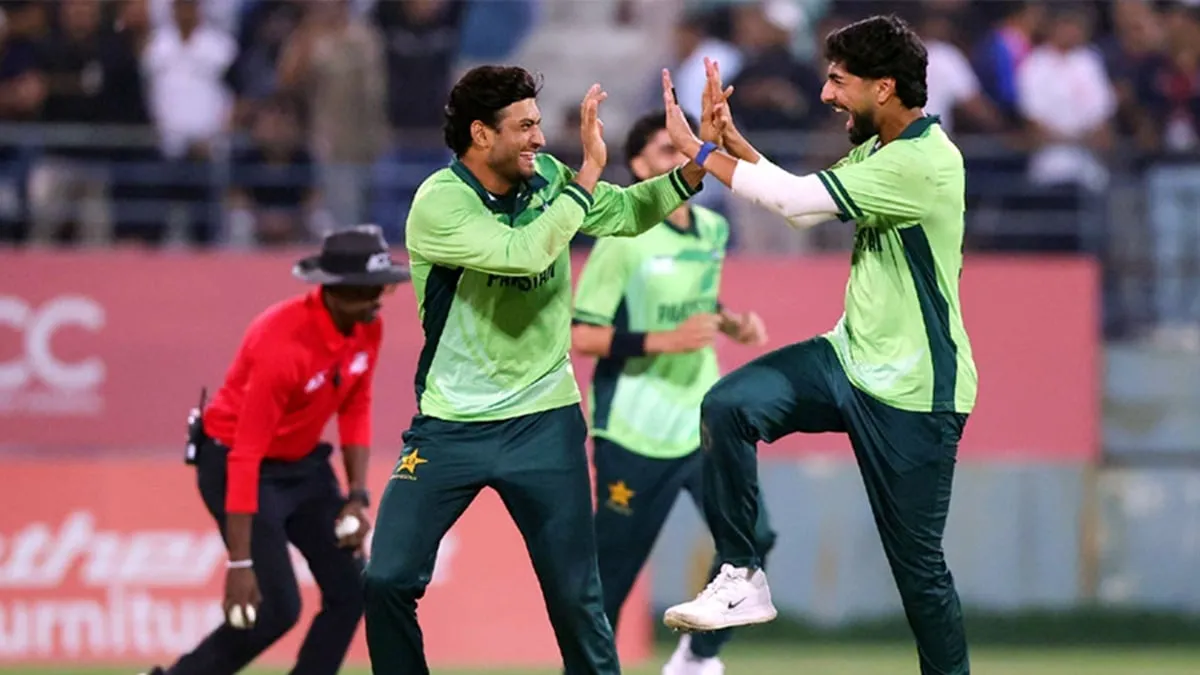
Former Indian spinner Harbhajan Singh has criticized fast bowler Harshit Rana's conduct during the Asia Cup Rising Stars tournament and urged the International Cricket Council and both countries' cricket boards to intervene following heated exchanges between Pakistan and India players. His comments came after Pakistan Shaheens defeated India A by 48 runs in Doha, with several on-field confrontations drawing criticism from observers and former athletes alike.
Speaking at the launch of the HSBC Golfing League, Harbhajan expressed deep concern over the players' behavior, saying the situation had gone too far. The high-profile match in Doha quickly devolved into a series of verbal altercations and aggressive celebrations that overshadowed the athletic competition itself. Such high-stakes encounters between the two national rivals frequently generate intense pressure, but the events in Doha pushed boundaries that drew immediate public scrutiny.
What Happened During the India A and Pakistan Shaheens Match
Tensions were visible before the match when India A captain Tilak Varma and Pakistan Shaheens captain Abdul Samad did not shake hands at the toss. This early snub set a frosty tone for the encounter, which culminated in a 48-run victory for the Pakistan Shaheens over India A in Doha. Rather than focusing solely on the sporting outcome, spectators and officials witnessed a series of testy exchanges that persisted from the first innings through the final moments of the run chase.
During Pakistan's innings, fast bowler Harshit Rana exchanged words with openers Shamyl Hussain and Maaz Sadaqat. He also gave Hussain an animated send-off after taking his catch off Ayush Badoni's bowling and celebrated aggressively after dismissing Rohail Nazir. The aggressive demonstrations drew sharp rebukes from critics who monitor youth and developmental cricket for standards of professional conduct.
The exchanges continued during India's chase when Pakistan spinner Sufyan Moqim appeared to confront Rana following his dismissal for a duck. A teammate intervened to restrain Moqim before the situation escalated further on the field. These back-and-forth incidents highlighted a breakdown in on-field temperament that prompted immediate administrative fallout.
Calls for Intervention From the ICC and Cricket Boards
In the aftermath of the match, Harbhajan Singh made it clear that regulatory bodies must take action to restore order in regional tournaments. "The ICC and the respective Boards need to step in," he said while addressing reporters at the HSBC Golfing League launch event. He argued that left unchecked, such hostile interactions threaten the spirit of the game and damage the reputation of competitive sports.
Harbhajan also criticized Harshit Rana's actions specifically, saying they were inappropriate and set a poor example for young cricketers watching the broadcast. "It is shameful and sets a bad example for the next generation," he added. While the former spinner acknowledged that verbal exchanges were a normal part of cricket, he stressed that players should not cross the line or behave in ways they might later regret.
He urged players from both countries to compete fiercely on the field while maintaining sportsmanship and avoiding inappropriate reactions after matches. The duality of fierce competition paired with mutual respect forms the bedrock of traditional cricket culture, a standard that Harbhajan argued was severely lacking during the Doha encounter.
Official Complaints and Disciplinary Limitations
The fallout extended beyond public criticism as administrative channels began processing grievances from the match. Meanwhile, Pakistan Shaheens' team management reportedly lodged a formal complaint with the match referee over the alleged inappropriate behavior of Indian players. According to reports, Pakistan team manager and coach Ejaz Junior raised concerns about Rana's repeated conduct during the match and later met the referee to discuss the issue.
However, reports suggested that strict disciplinary action was unlikely because the tournament's matches do not carry international status. Because developmental and junior-tier competitions often operate under different administrative frameworks than senior international fixtures, formal sanctions under standard ICC player code codes may not apply directly to this incident.
Broader Context of India and Pakistan Cricket Rivalry
The fierce rivalry between India and Pakistan spans decades and routinely generates immense global viewership, placing heavy psychological pressure on every participant. Developmental structures like the Asia Cup Rising Stars tournament serve as pathways for emerging talent to experience high-pressure environments before reaching the senior international stage. Managing emotions under such intense scrutiny remains one of the toughest challenges for young athletes stepping onto the international sports stage.
Past encounters at various levels have occasionally witnessed verbal friction, prompting governing bodies to issue reminders regarding codes of conduct. Observers note that maintaining discipline during developmental fixtures is essential to preparing players for the senior national teams, where media attention and public expectations multiply exponentially. The events in Doha serve as a stark reminder of the challenges inherent in managing athletic tempers during high-profile regional fixtures.