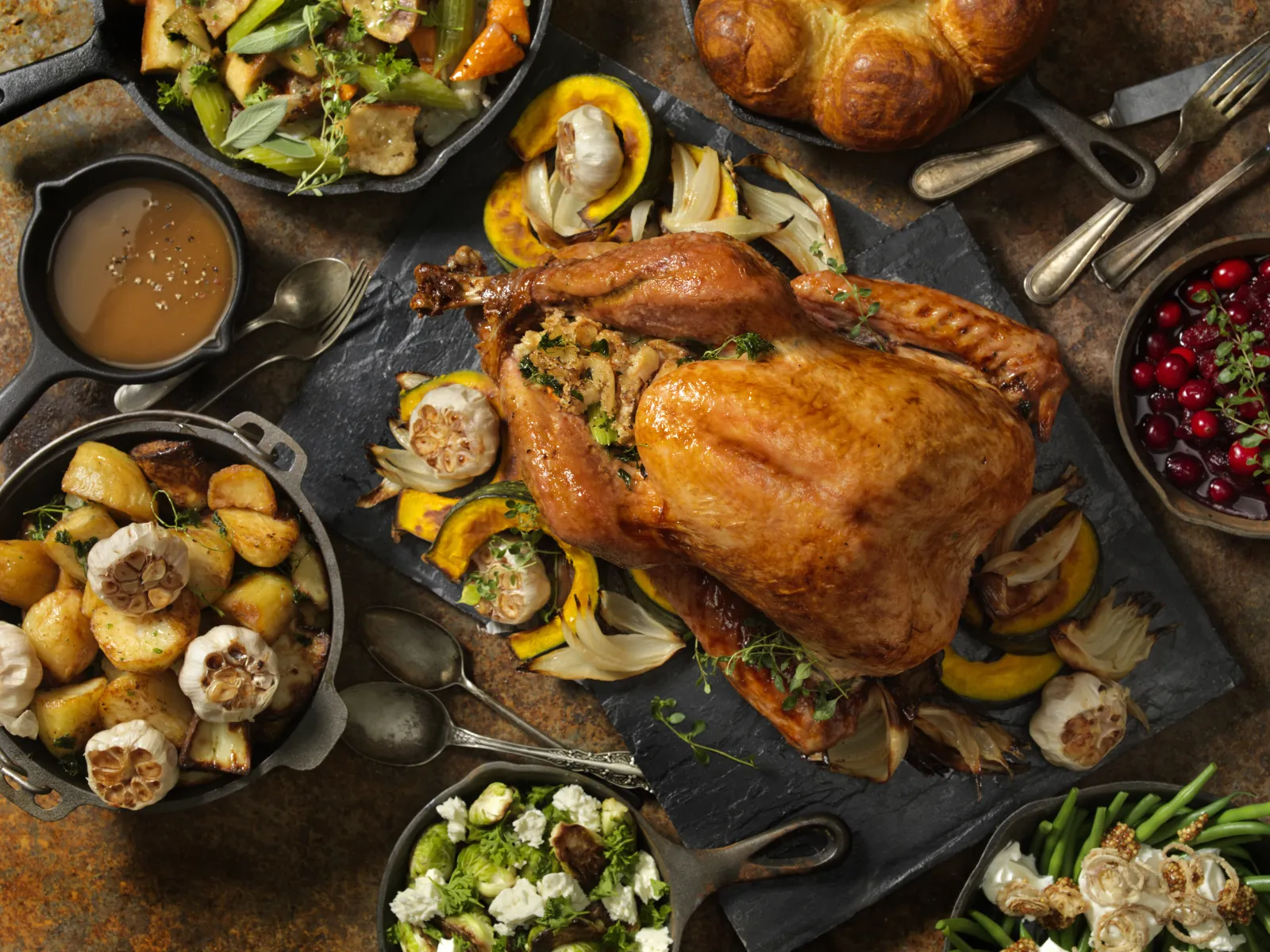
Health Warning for Eating Thanksgiving Leftovers and Safe Storage Guidelines
For many Americans, the bonus after a Thanksgiving meal are the leftovers which can last for days. The feast may be great at the time, but how long can you really keep noshing on turkey and pumpkin pie. The answer depends on what you are saving as leftovers, and following proper food safety practices is essential to avoid foodborne illness during the holiday season.
Proper food handling begins immediately after the meal concludes. The first rule is to make sure food is prepared to a safe temperature and leftovers are refrigerated promptly. Leaving perishable items sitting out at room temperature for too long creates an ideal environment for bacteria to multiply rapidly, turning a delicious holiday meal into a health hazard.
What the USDA Recommends for Cooling Leftovers
The USDA says to prevent bacterial growth, it is important to cool food rapidly so it reaches as fast as possible the safe refrigerator-storage temperature of 40 degrees F or below. Bacteria thrive in temperatures between 40 degrees F and 140 degrees F, a range commonly known as the danger zone by food safety experts.
The agency suggests to divide large amounts of food into smaller portions to cool. Placing a massive roasting pan of turkey or a deep dish of stuffing straight into the refrigerator can actually warm up the internal temperature of the appliance, putting other foods at risk while the center of the large dish remains warm for too long.
To speed up the cooling process, cut turkey, whole roast, or hams into smaller parts. Legs and wings may be left whole. Hot food can be placed directly in the refrigerator or rapidly chilled in an ice or cold water bath before refrigerating to bring the temperature down safely.
How to Store Thanksgiving Leftovers Properly
Temperature control is only part of the equation when dealing with holiday food preservation. You want to cover any leftovers, wrap in an airtight packaging, or seal them in storage containers. Airtight seals prevent the food from drying out, absorbing unwanted refrigerator odors, and coming into contact with airborne contaminants.
Thanksgiving leftovers will last about three to four days in the fridge when stored properly, according to Good Housekeeping. This timeline applies to a wide variety of traditional holiday dishes, ensuring families can enjoy their favorite foods for a short window after the main event.
This applies to turkey, stuffing, mashed potatoes, sweet potato casserole, green bean casserole, mac and cheese, gravy, cranberry sauce, and pies. Each of these items has unique moisture content and ingredients, but the three to four day rule serves as a reliable benchmark for refrigerated storage.
Can You Freeze Thanksgiving Leftovers?
When you have cooked more food than your household can consume within a few days, freezing is a viable long-term solution. In addition, most Thanksgiving foods can be frozen after being stored in the fridge. Freezing halts bacterial growth completely, though it does pause the aging process rather than reversing it.
The food may lose its quality but it will still be ok. Texture changes, such as a slight separation in gravies or casseroles, are common after freezing and thawing, but the meals remain safe to eat if handled correctly from the start.
Food that has been frozen and thawed safely overnight in the fridge, can be refrozen. However, quality will degrade further with each freeze-thaw cycle. Keep in mind, not everything will freeze well, such as a meringue or chiffon pie, which can become watery or separate destructively when subjected to sub-zero temperatures.
Understanding Food Safety Risks During the Holidays
The urgency surrounding leftover management stems from the rapid reproduction rates of pathogens like Salmonella, Clostridium perfringens, and Staphylococcus aureus. These bacteria often contaminate poultry and starchy dishes, and they multiply unnoticed because they generally do not alter the smell, taste, or appearance of the food.
Public health agencies consistently emphasize that trusting your senses is not a reliable method for determining whether leftover turkey or stuffing is safe to consume. Adhering strictly to the three to four day refrigerator limit removes the guesswork and protects household members from food poisoning.
Best Practices for Reheating Holiday Meals
When retrieving stored items from the refrigerator for another round of eating, proper reheating is just as important as initial cooling. Leftovers must be heated thoroughly to an internal temperature of 165 degrees F to destroy any bacteria that may have formed during storage.
Gravies, soups, and sauces should be brought to a rolling boil. When using a microwave, cover the food, stir it periodically, and ensure there are no cold spots where bacteria could survive the heating process.