How to Prepare Rick Stein Festive Recipes for Ten People
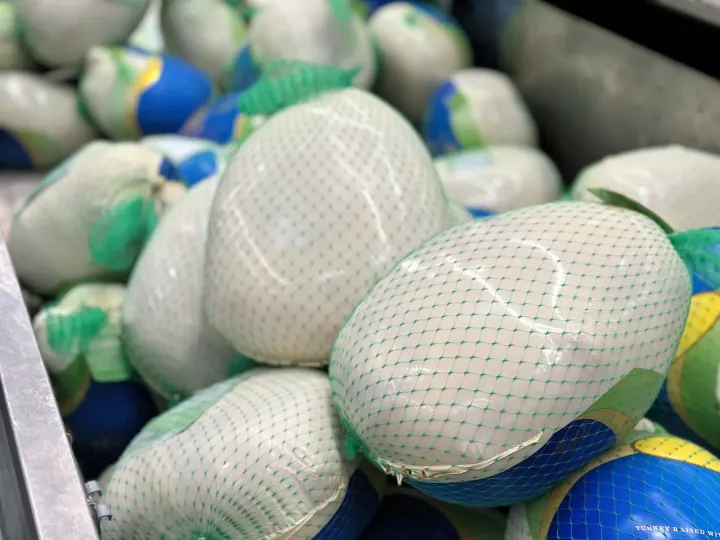
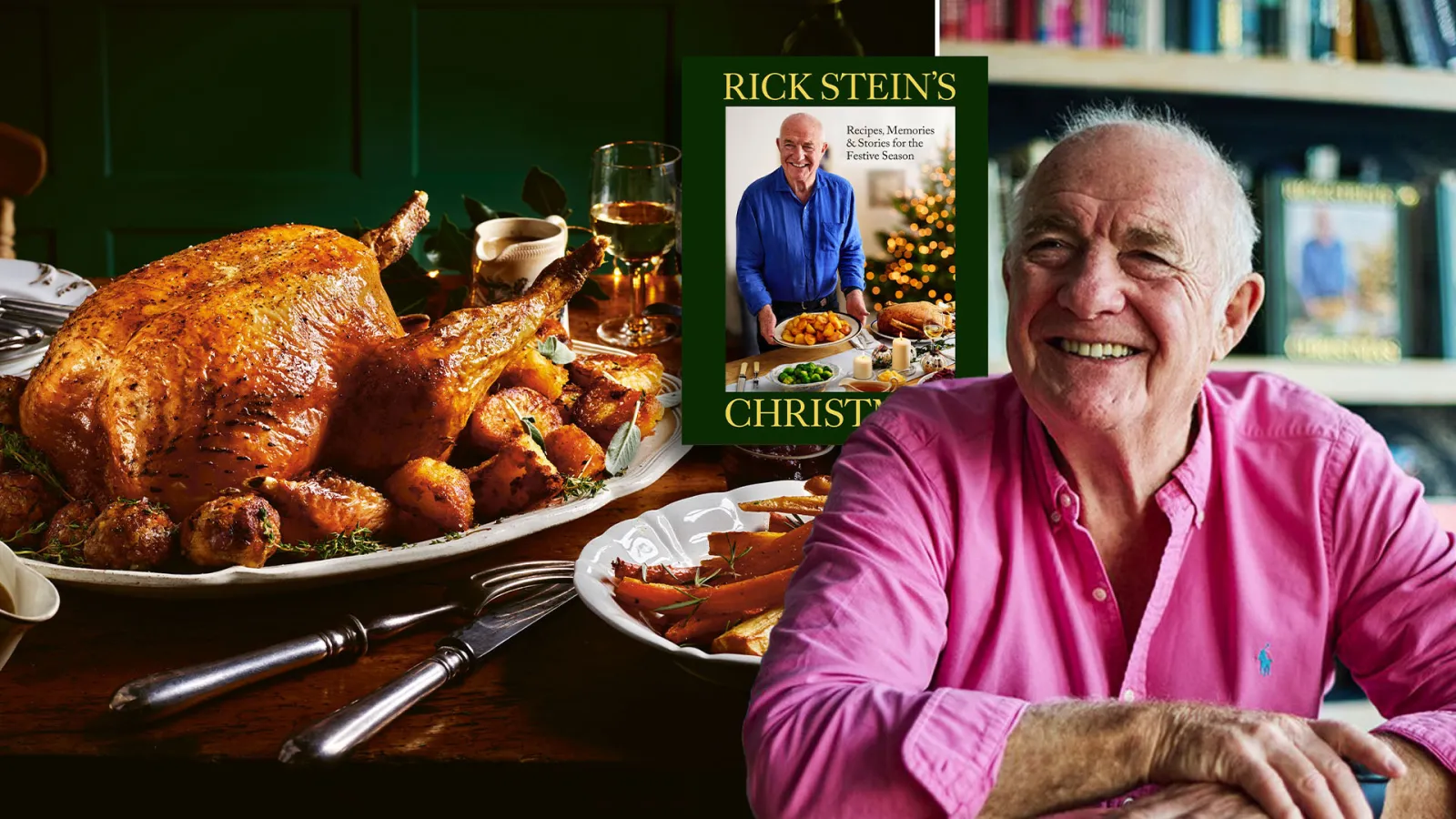
Preparing a massive holiday meal for family and friends can induce severe anxiety, but seasoned chef Rick Stein is here with the ultimate guide to a fool-proof festive feast designed to serve 10. Sourced from the book Rick Stein's Christmas published by BBC Books at £28, the collection bursts with festive recipes to take hosts through to the New Year, incorporating sides, sauces, showstoppers, and cocktails. Organizing a successful holiday gathering requires early preparation, starting with securing a supermarket delivery slot and ordering a fresh turkey from a butcher.
Cooking a holiday roast follows the same principles as a regular Sunday roast, just with bells on, and a significant portion of the preparation work can happen well in advance. Two days before Christmas Day, cooks should make the red cabbage and prep the breadcrumbs for the stuffing and bread sauce. On Christmas Eve, tasks include peeling and parboiling the potatoes, peeling carrots and parsnips, trimming the sprouts, and making the cranberry sauce, stuffing, and giblet stock. Remembering to take the turkey out of the fridge before going to bed ensures the bird comes up to room temperature safely.
Roast Turkey and All the Trimmings Guide
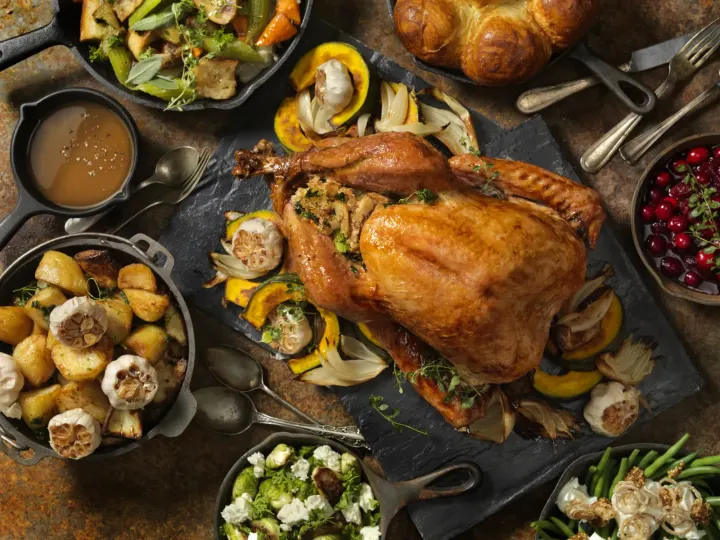
The centerpiece of the meal is a 5-5.25kg free-range Bronze turkey, accompanied by a carrot, an onion, a celery stick, and 100g of very soft butter. The gravy requires two heaped tablespoons of plain flour and 1L of turkey giblet stock. For the potatoes, the recipe calls for 2.75-3kg of floury potatoes such as King Edward or Maris Piper, 40g of polenta or semolina, and 250g of goose fat. Additional accompaniments include sausage meat and pistachio stuffing balls, braised red cabbage, maple-glazed roast carrots and parsnips, Brussels sprouts, bread sauce, and cranberry sauce.
The cooking process starts on Christmas Eve by taking the turkey out of the fridge and untrussing the bird if tied. On Christmas morning, chefs peel and parboil the potatoes, drain and tumble them in a colander to rough up the edges, and sprinkle them with polenta before setting them aside in a roasting tin. After testing the turkey in its tin in the oven and adjusting the shelves, the oven is preheated to 180°C/160°C fan/gas mark 4. Chopped carrot, onion, and celery go into the roasting tin, with the turkey placed on top, seasoned with salt and black pepper, and smothered with soft butter.
Pouring 300ml of water into the tin, the turkey cooks for 2 to 2.5 hours, during which the legs require basting a couple of times. A temperature probe inserted into the thickest part of the breast should read 66°C, though fresh or frozen supermarket turkeys may take longer and need to reach 70°C. Once cooked, the turkey rests on a warmed carving board in a warm place, tented with foil for up to an hour while other elements proceed. The oven temperature is then cranked up to 220°C/200°C fan/gas mark 7 to roast the potatoes in goose fat for an hour, adding carrots, parsnips, and stuffing balls later.
Preparing the Festive Sides and Sauces
The braised red cabbage requires 40g of butter, 1.3kg of shredded red cabbage, three finely sliced small or medium onions, 675g of peeled and sliced cooking apples, 75ml of white wine or cider vinegar, 5tbsp of brown soft sugar, ground cloves, salt, freshly grated nutmeg, ground cinnamon, and 1-2tbsp of clear runny honey. Baked in a casserole dish at 150°C/130°C fan/gas mark 2 for 2-3 hours, the mixture becomes very soft and receives a honey drizzle at the end for extra gloss. This dish can easily be prepared a day in advance and reheated.
Maple-glazed roast carrots and parsnips combine 700g of carrots and 700g of parsnips, peeled, trimmed, and cut into uniform pieces, tossed with 3tbsp of olive oil and 3tbsp of maple syrup. These vegetables roast at 220°C/200°C fan/gas mark 7 for 30-40 minutes until tender and golden. Meanwhile, the cranberry sauce cooks 250g of cranberries in a solution of 100g granulated sugar and 100ml orange juice over a medium heat for 7-10 minutes, creating a condiment that keeps well in the fridge for up to a week.
Stuffing balls bring together 2tbsp of oil, an onion, 500g of sausage meat, chopped smoked streaky bacon, dried apricots, pistachio nuts, and sage leaves, formed into 10-12 balls and refrigerated. The giblet stock simmers turkey giblets, vegetables, peppercorns, a bay leaf, and parsley stalks in 1.5L of cold water for 2-3 hours. Finally, the bread sauce steams 30g of butter, shallots, cloves, 1.2L whole milk, double cream, and fresh white breadcrumbs for 10 minutes.
Rick Stein Christmas Day Timings for a Two OClock Dinner
A structured schedule keeps the kitchen running smoothly on Christmas Day for a 2pm dinner service. At 10.15am, the oven preheats and starters are prepared. By 10.30am, the turkey enters the oven and vegetable prep is verified. Between 10.30am and 11am, the bread sauce is made for later warming, leaving time for a glass of champagne and delegating tasks like table laying and washing-up.
Between 12.30pm and 1pm, the chef checks the turkey temperature, removes the bird to rest under foil, turns up the oven, and puts the potatoes in. Parsnips and stuffing follow 30 minutes later alongside any starter service. At 1.30pm, sprouts cook while the bread sauce, red cabbage, and gravy reheat, and plates warm up. Carving happens at 1.45pm before everyone sits down to enjoy the meal at 2pm.