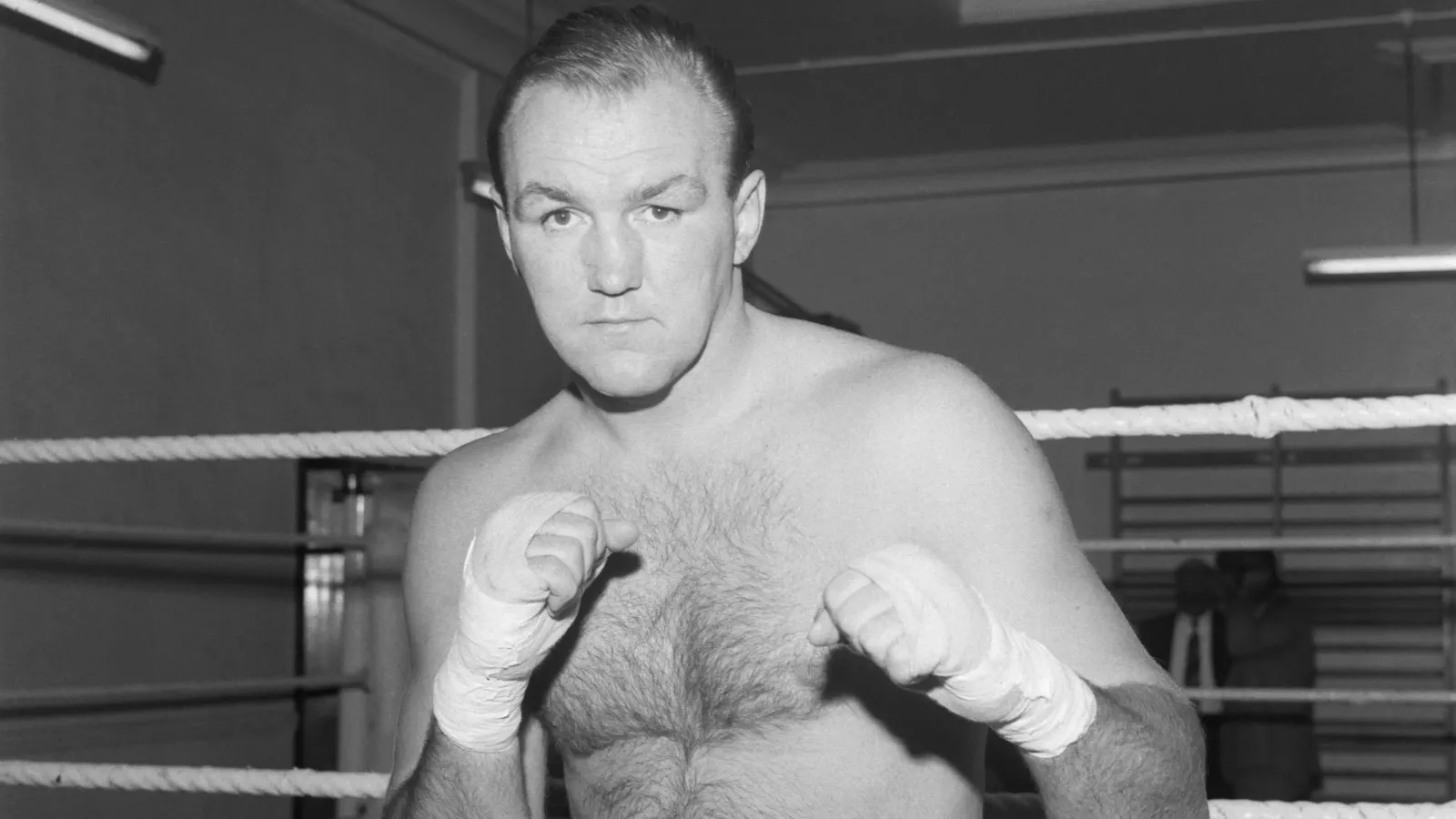
Before achieving fame with the movie Rocky, Sylvester Stallone faced severe financial hardship, sleeping in a bus station, selling his dog, and appearing in an adult film for £150. Frustrated by a lack of progress, the Italian-American actor began writing scripts. His fortunes shifted after watching heavyweight Chuck Wepner knock down Muhammad Ali during a 1975 bout that nearly became a massive upset in boxing history. The match ended with Ali winning in the 15th round against a bleeding Wepner, sparking Stallone to create the legendary underdog tale.
Ahead of the movie's 50th anniversary, a new film titled I Play Rocky explores how the actor fought against difficult circumstances to claim the lead role. Despite struggling to pay rent and anticipating his first child, Stallone rejected offers for the script unless he could portray Rocky Balboa. Studio executives preferred a recognized star like Burt Reynolds, but Stallone held firm as bids reached $360,000, equivalent to roughly $2.25 million today. The gamble succeeded, launching him to stardom and earning three Academy Awards.
At the 1977 Oscars, Ali surprised Stallone on stage during an award presentation by playfully sparring with him. Stallone invited Wepner to the Rocky premiere, included him in the sequel, and frequently credited him as his muse. However, the friends faced a legal battle in 2003 when the boxer sued for a portion of profits from the Rocky franchise, which has grossed $1.8 billion globally. The dispute was settled out of court for an undisclosed amount.
Speaking to The Sun, Wepner, now 87, remembers how their March 1975 title clash at Richfield Coliseum in Ohio motivated Stallone. Wepner noted that Stallone claimed to have only $40 to his name when he attended the match. Observing the crowd shift their chants to support Wepner after the knockdown convinced Stallone that a story about a 40-to-1 underdog going the distance with Ali would make a great film.
Both men shared similar backgrounds, growing up in New York and overcoming early hardships. Stallone suffered facial nerve paralysis during birth, spent time in foster care, and faced abuse from his father. Wepner and his brother lived in a converted coal shed in Bayonne, New Jersey, raised by their mother Dolores after she separated from their father. After leaving the Marines in 1959, Wepner worked as a bouncer before a club patron encouraged him to box.
Wepner won the New York Golden Gloves Novice Heavyweight Championship five years later, though frequent cuts hampered his professional career. Following a 1970 loss to Briton Joe Bugner at Wembley due to an eye cut, he won nine of his next 11 bouts to earn a shot at Ali's heavyweight title. Wepner recalled being a 40-to-1 underdog expected to last fewer than five rounds, yet he completed 15 rounds and knocked Ali down in the ninth. This bout marked the first time Wepner trained full-time, having previously worked all day and trained at night during a 15-year career as a part-time fighter.
Though Wepner ultimately lost by a technical knockout after absorbing heavy blows, he maintained confidence beforehand, telling his wife to wear a specific negligee because she would sleep with the heavyweight champion of the world. Stallone similarly juggled multiple jobs, including cleaning zoo cages and acting in the 1970 adult movie The Party At Kitty And Stud's. Financial desperation forced him to sell his bullmastiff Butkus for $40 outside a convenience store to buy food while writing at night, though he later bought the dog back and featured it in the film.
The film I Play Rocky highlights Stallone's realization upon watching Wepner nearly achieve a historic sporting upset. Stallone rushed home to write the script in three and a half days. Producers Irwin Winkler and Robert Chartoff believed in the project, but the studio demanded an established star, allocating a modest $1 million, or £750,000, budget that limited crowd extras. Few expected boxing movies to succeed at the box office.
Wepner attended the New York premiere expecting a poorly made fight movie, but found himself amazed by the sold-out, enthusiastic audience. Much like Wepner's real-life match, the fictional Rocky loses to the champion Apollo Creed. Stallone's confidence paid off as he secured further action hits like Rambo, Cliffhanger, and Demolition Man in the 1980s and 1990s. He offered Wepner a role in Rocky II in 1979, but the former fighter struggled with faked punches.
Fame brought personal struggles for Wepner, who battled a cocaine addiction during the late 1970s and early 1980s until marrying his third wife, Linda, who helped stabilize his life. Their 2003 lawsuit over Rocky earnings strained his friendship with Stallone, but they later settled and collaborated behind the scenes on the 2016 biographical sports drama Chuck, starring Liev Schreiber as the boxer. Wepner noted that despite the lawsuit, they remain friends, praising Stallone's writing and acting talents.
Rocky in rounds
- $1 million budget for the first Rocky film
- $225 million worldwide box office takings
- $1.8 billion Rocky franchise earnings
- $360,000 What Stallone was offered NOT to play Rocky
- 6 Rocky movies + three Creed spin-offs
- $40 What Stallone got for his dog when he sold it for food
- $400 million His net worth today
- 10 Oscar nominations for Rocky. It won three, including Best Picture