How Michael Carrick Lost the Manchester United Dressing Room
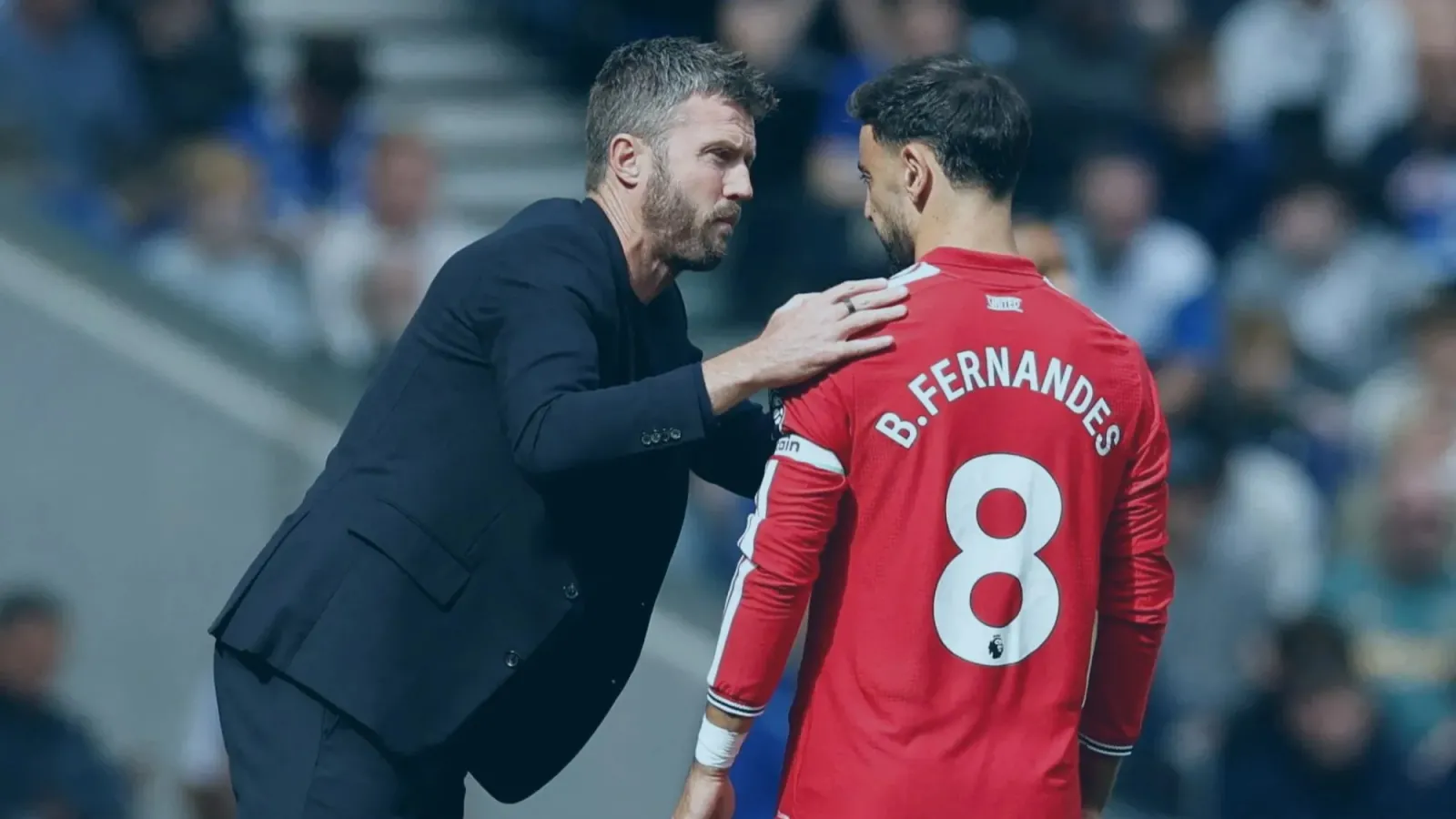
Michael Carrick was sacked as Manchester United manager after a series of tactical changes that failed to resonate with a number of key players inside the dressing room. Captain Bruno Fernandes emerged as one of the senior stars who openly preferred the pragmatic style of play deployed during Carrick's initial caretaker stint.
During that successful period as caretaker boss, Manchester United secured victories against both Manchester City and defending champions Arsenal by using masterful counter-attacking strategies. Those impressive performances propelled the team to a third-place finish in the Premier League table and secured Champions League qualification for the club for the first time in three years.
The Shift to an Expansive Style of Play
Following his permanent appointment, Carrick and assistant manager Steve Holland chose to introduce a more expansive and ball-dominant tactical philosophy. This new approach mirrored the system that the former England midfielder had previously used while managing Middlesbrough in the Championship.
A club source revealed that tension quickly boiled over behind the scenes as results began to slide. The source stated that Bruno Fernandes was butting heads with Carrick because last season the team was having great success, but the tactical changes this season had led to a huge downturn in results.
According to the same source, the club captain questioned the manager directly, asking why the team could not simply carry on with the old approach since they would have won the league at the rate they were going. Despite the pushback from the squad, Carrick and Holland persisted with their new blueprint.
Player Frustration and Mounting Results Pressure
A number of the players also wanted to go back to the previous tactics, but Carrick stuck by his principles and tried to ride out the bad results. This stubborn adherence to the new system created a palpable rift within the club hierarchy and the playing staff.
The disagreements left the squad feeling uncertain about their direction on the pitch. The situation left United back to square one with a new manager, new ideas, new tactics, and no guarantee that any of the upcoming changes would work.
Public Disagreement Between Manager and Captain
The simmering feud between the manager and his captain spilled into the public domain following a 4-1 defeat away at Como. Manchester United had faced external criticism regarding their low running statistics during matches.
Addressing those criticisms, Fernandes pointed out that those running stats were a direct reflection of the tactical instructions given by the coaching staff. The midfielder explained that it was a decision from the staff to not press man-to-man and sometimes leave space behind and try to get the ball by waiting for them.
Fernandes added that giving space to opposing teams often allowed them to gain confidence on the ball. He suggested that the team needed to be more brave under pressure and take the risk of pressing high to make opponents uncomfortable.
The Fallout and Bournemouth Match Exclusion
In the wake of those public comments, Fernandes was left out of the starting lineup for the subsequent fixture against Bournemouth, though the omission was officially attributed to tactical reasons. However, the absence of the influential playmaker did little to help the team's fortunes on the pitch.
Stung by the public critique from his captain, an unimpressed Carrick offered his own assessment of the team's physical output. He stated that whatever tactics you play, if you don't run, and you don't run forward, and you don't run back, you ain't going to win.
In what appeared to be a significant blow to the manager's authority, Fernandes was immediately restored to the starting XI after United suffered a 3-0 defeat to Bournemouth in the very match he was forced to sit out. That swift return underlined the heavy reliance the team placed on their captain, despite the ongoing friction with the dugout.
What Lies Ahead for Manchester United
The combination of poor performances, a fractured relationship with influential dressing room leaders, and mounting pressure from supporters ultimately sealed Carrick's fate at Old Trafford. Following his departure, reports indicate that Mauricio Pochettino has already agreed to take over as manager from Carrick.
The incoming coaching staff will face the immediate challenge of restoring harmony within the squad and deciding whether to revert to the counter-attacking stability that previously brought success or persevere with a possession-heavy model. Observers and supporters will be watching closely to see how the new leadership addresses the physical and tactical imbalances that plagued the final weeks of Carrick's tenure.