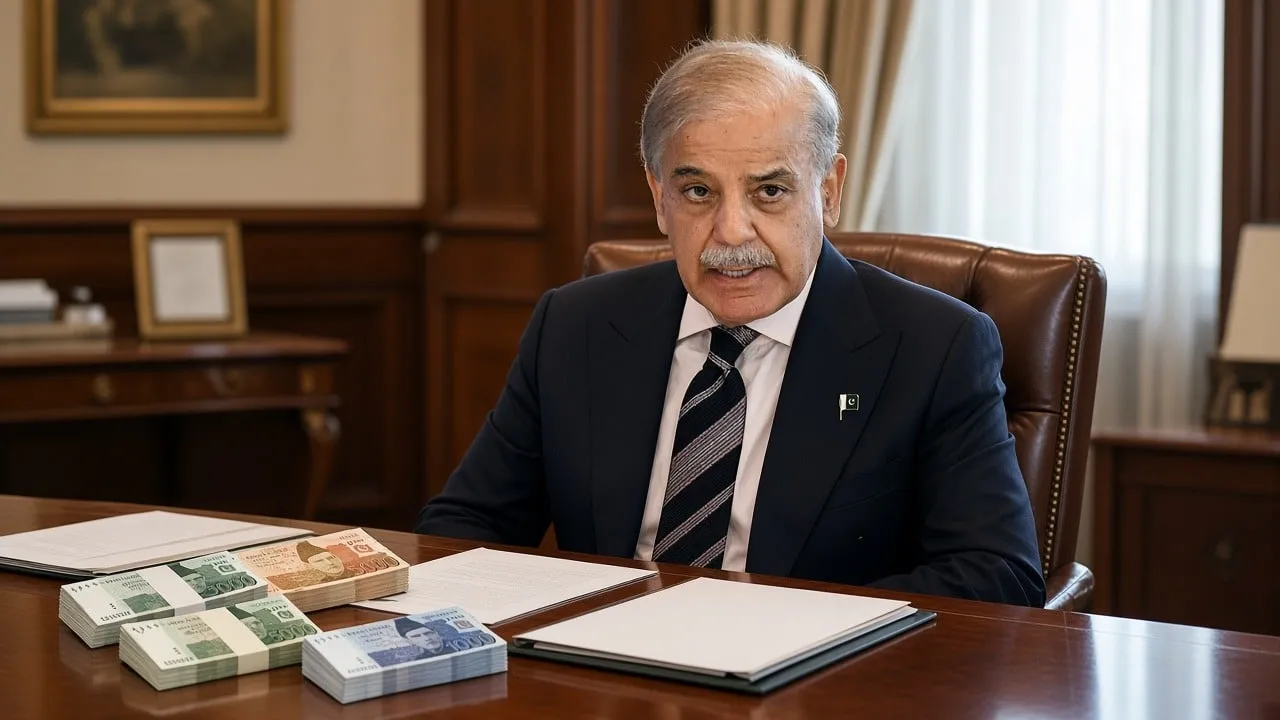
Prime Minister Shehbaz Sharif raised the maximum loan limit under the PM's Youth Business and Agriculture Loan Schemes from Rs. 7.5 million to Rs. 25 million. This policy update aims to expand financial access for young entrepreneurs and agricultural workers across the country who require larger capital injections to scale their operations. Alongside the expanded funding ceiling, the government lowered the minimum eligibility age from 21 to 18 years, opening the program to a younger demographic of citizens. Furthermore, authorities received directives to reserve 30 per cent of all distributed loans specifically for women, ensuring gender inclusivity in enterprise development.
The financing initiative operates entirely through digital channels to streamline processing and eliminate bureaucratic hurdles. Young people seeking funding for business or agriculture must apply online through the scheme's application portal. Applicants do not need to submit paper application forms, making the initial submission phase faster and more accessible for tech-savvy participants.
How to Apply for the PM Youth Loan Scheme Online
Applicants can follow specific steps to submit their applications successfully through the digital portal. First, individuals must visit the official PMYP website and open the application form. Providing valid CNIC details is mandatory during this stage, and users must enter their date of birth accurately because NADRA verifies these details against national databases.
Next, applicants must choose their loan tier by selecting the financing category that matches their business or agricultural needs. Candidates then choose a participating commercial or Islamic bank from the dropdown menu, with available options including National Bank of Pakistan, Bank of Punjab, Bank Alfalah and Sindh Bank. Filling in personal information, business or agriculture plans, and financial details requires careful attention, and applicants must complete every mandatory field before proceeding.
Uploading required documents forms the final part of the digital submission. Candidates must provide their CNIC, a passport-size photograph, and a business feasibility report where applicable, along with requested reference information. Checking all details before submitting the form online ensures accuracy. Once submitted, a representative from the selected bank contacts the applicant for further processing and verification.
Eligibility Criteria and Qualifications
Qualifying for financial assistance requires meeting several strict administrative conditions. Applicants must hold a valid CNIC and live in Pakistan. Lowering the minimum eligibility age to 18 and above allows younger adults to enter the commercial sector much earlier than previous policy frameworks permitted.
Specific educational thresholds apply to certain sectors. Applicants can apply for IT and e-commerce businesses if they have at least matriculation or an equivalent qualification. Candidates should carefully check the requirements on the application form and confirm the revised age criteria with their selected bank before finalizing their submissions.
Certain restrictions apply to specific professional groups and financial histories. Government employees and financial defaulters cannot apply for the program. Specific restrictions also apply to ZTBL employees, prohibiting them from participating as standard applicants to prevent conflicts of interest.
Loan Tiers and Markup Structure
The financing structure divides into three distinct tiers, each offering different borrowing limits and associated markup percentages. Tier 1 provides funding up to Rs. 1 Million with a 0% markup, making it ideal for micro-enterprises and very small business start-ups. Tier 2 covers loans up to Rs. 10 Million with a 5% markup, catering to growing small and medium businesses. Tier 3 offers the maximum funding limit of up to Rs. 25 Million with a 7% markup, designed for large-scale business expansion and substantial agricultural ventures.
The prime minister ordered authorities to allocate 30 per cent of loans under the program to women, reinforcing institutional support for female entrepreneurs. During the review meeting, he also asked the relevant authorities to help young people establish businesses and undertake agricultural work through targeted advisory services.
SMEDA Assistance for New Businesses
The prime minister directed the Small and Medium Enterprises Development Authority to extend all possible assistance to young applicants. Its support covers business start-ups, guidance, business consultancy and technical services. These services help applicants prepare for business ownership and develop their proposed ventures effectively.
To ensure widespread participation, the administration ordered a nationwide awareness campaign to explain the loan schemes to citizens in remote areas and urban centers alike. This promotional push aims to educate potential borrowers about the digital application process and the benefits of each loan tier.
Historical Context and Loan Distribution Figures
Statistical reports presented during official reviews demonstrate massive growth in program outreach. A total of 581,341 young people had reportedly received loans worth Rs. 313.9 billion since January 2023. According to the briefing, this beneficiary count represented a tenfold increase compared with the number recorded during the preceding ten years.
Looking ahead at future financial allocations, officials said authorities had allocated Rs. 292 billion for 2026-27. This substantial funding will provide loans to approximately 266,700 young people under the schemes, maintaining high disbursement rates and continuous support for national enterprise.
Shehbaz praised Finance Minister Senator Muhammad Aurangzeb and his team for making effective arrangements to support young people seeking business and agricultural opportunities. Aurangzeb attended the meeting alongside Special Assistant to the Prime Minister on Youth Affairs Rana Mashhood Ahmed Khan and Special Assistant to the Prime Minister on Political Affairs Talha Burki.