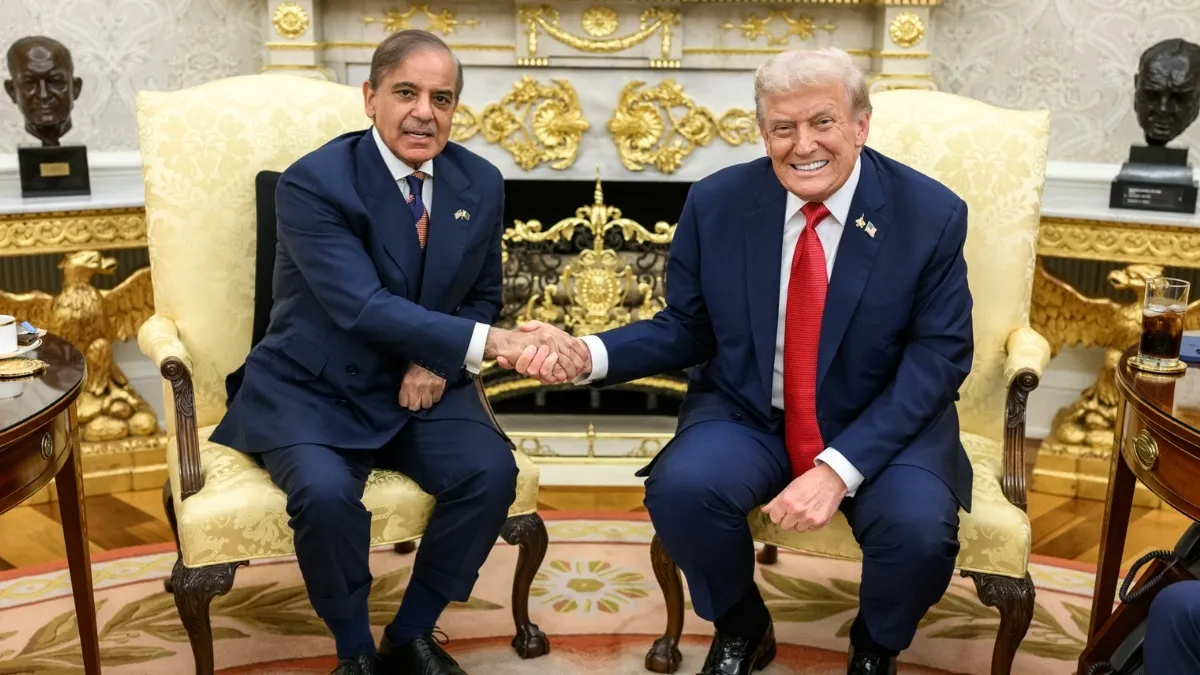
US President Donald Trump has suffered a major political setback after Democrats won control of both the House of Representatives and the Senate in the November 3 midterm elections, and there are 5 ways his defeat could affect Pakistan.
Pakistan has developed closer diplomatic and economic engagement with the Trump administration. While Democrats will not replace Trump or directly control his foreign policy decisions, of course, their control of Congress will give them greater authority to block legislation and challenge some of his policy priorities.
From the ongoing Iran war and international energy prices to trade arrangements, technology investment and immigration, here are some ways Pakistan could be affected from the current blue wave in Washington.
What Does a Democratic Congress Mean for Pakistan's Iran Mediation Role?
Pakistan's diplomatic outreach to Tehran has grown since the 2022 Islamabad Accords, a short-lived agreement that temporarily halted hostilities between the United States and Iran. The accords were brokered by Islamabad together with regional partners, positioning Pakistan as a potential back-channel between Washington and Tehran.
With Democrats now controlling the House and Senate, the pressure on the Trump administration to find a diplomatic exit from the US-Iran conflict is likely to rise. In a revealing post following the election, Vice President JD Vance argued that the war was the primary reason Republicans lost, pointing to polling that showed former Trump voters wanted the conflict to end.
He identified ending the war as the leading reason voters had turned against the administration, ahead of concerns over inflation and the cost of living.
Vance's remarks add to the political pressure on Trump. This could further strengthen Islamabad's position as an intermediary between Washington and Tehran. A successful settlement could also improve regional stability and open the door to greater economic and diplomatic cooperation with neighboring countries.
How Might Energy Markets React and What Does That Mean for Pakistan?
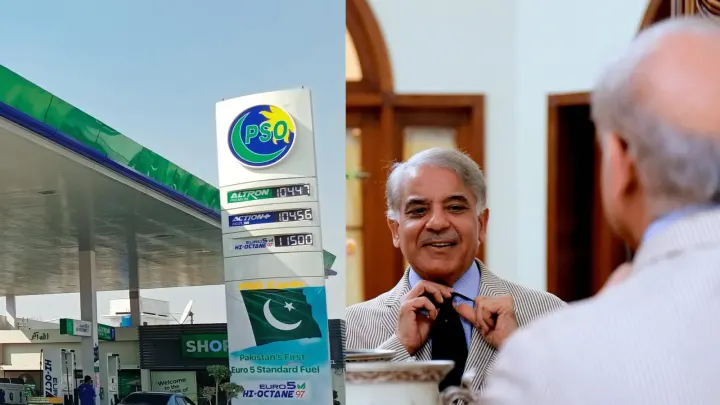
Pakistan is already feeling the pressure of expensive and increasingly strained global energy markets. As of today, Petrol stands at Rs. 362 per litre, following a recent spell of increases that pushed it close to Rs. 400, while high-speed diesel stands at Rs. 388 per litre.
The pressure is not limited to fuel prices as gas load management has already started across the country with the country facing severely limited and highly expensive LNG supply.
Any escalation in the war could push international oil and LNG prices higher, making Pakistan's already costly energy imports even more expensive. But conversely, an apparently weak Trump administration which is facing domestic pressure to end war could result in a sustained reduction in regional tensions and the restoration of more predictable energy flows could ease international prices and give Pakistan some relief.
Energy analysts note that a Democratic-led Congress is more likely to approve funding for alternative energy projects and to scrutinize subsidies that keep fossil-fuel imports high. If such legislation passes, Pakistan could see opportunities for joint renewable-energy ventures with U.S. firms, potentially lowering long-term import bills.
What Is the Impact of the Growing Anti-AI Sentiment in the United States?
The growing backlash against artificial intelligence in the United States could have implications beyond technology regulation. An October 2026 ABC News/Washington Post/Ipsos poll found that 57 percent of Americans believe AI is bad for society, with that figure rising to 65 percent among adults under 30.
If the AI and data-center build-out in America is slowed down due the domestic opposition, American technology companies could face slower expansion or restructure their AI operations; some researchers, engineers and entrepreneurs could look for opportunities elsewhere. Pakistan could benefit from members of its diaspora returning to establish startups, research teams or technology companies.
What's more likely is that a democratically controlled Congress will be pushing for more regulations and safety restrictions on AI models and that could set the precedent for developing nations including Pakistan.
A tightened regulatory environment will increase the operational cost of most famous closed AI models by companies like Open AI, Anthropic and Google which will be passed on to consumers.
This could result in governments, businesses and individuals relying more on open-source models. For Pakistan, this could create an opportunity to reduce dependence on expensive foreign AI platforms, develop locally customized models in Urdu and regional languages, and build a more self-reliant AI ecosystem using open-source technology.
Will Trade Prospects Between Washington and Islamabad Improve?
Although Trump retains executive powers to impose tariffs, domestic opposition from the people could make it politically and institutionally more difficult to sustain an expansive tariff agenda. The Associated Press reported that around six in ten voters attributed higher than usual prices more to Trump's policies.
For Pakistan, a more predictable US trade environment could create room to strengthen its trade arrangement with Washington. This comes at an important time for Islamabad, which is currently pursuing negotiations with the Trump administration for a new trade deal aimed at improving market access and expanding bilateral economic cooperation.
A less confrontational US trade policy could give Pakistan greater negotiating space and potentially improve the terms of any future agreement. Analysts point out that a Democratic Congress may prioritize multilateral trade frameworks, which could align with Pakistan's interest in diversifying export markets beyond traditional partners.
How Might Immigration Policy Shifts Affect Pakistani Students and Workers?
Immigration remains a politically sensitive issue in the United States, with both Republicans and Democrats facing pressure to prioritize American workers.
A recent October 2026 Independent Center poll found that 77 percent of Americans want legal immigration either maintained or expanded, while only 23 percent favor reducing it. Therefore, political consensus is more in favor of legal immigration, unlike Trump's approach of banning the entry of everyone.
A Democratic-controlled Congress could increase scrutiny of deportation practices and restrictions affecting legal immigrants, potentially offering some relief to Pakistani Americans and members of the Pakistani diaspora concerned about enforcement measures.
However, Pakistanis hoping to move to the United States for education, employment or family reunification may continue to face uncertainty over visa approvals, screening requirements and immigration procedures.
What Are the Next Steps for Pakistan's Foreign Policy?
Pakistan's Ministry of Foreign Affairs has indicated that it will monitor congressional developments closely and adjust its diplomatic outreach accordingly. No formal timetable has been announced for any new trade or immigration negotiations, but officials expect that any legislative push on AI regulation or energy subsidies will be debated in the coming months.
Stakeholders, including business groups and academic institutions, are advised to track the progress of any bills related to technology, energy and immigration that move through the House Energy and Commerce Committee and the Senate Commerce Committee.
In the short term, Pakistan can leverage its role in Iran mediation to gain goodwill, while also preparing domestic policies that mitigate volatile energy costs and encourage home-grown AI development.