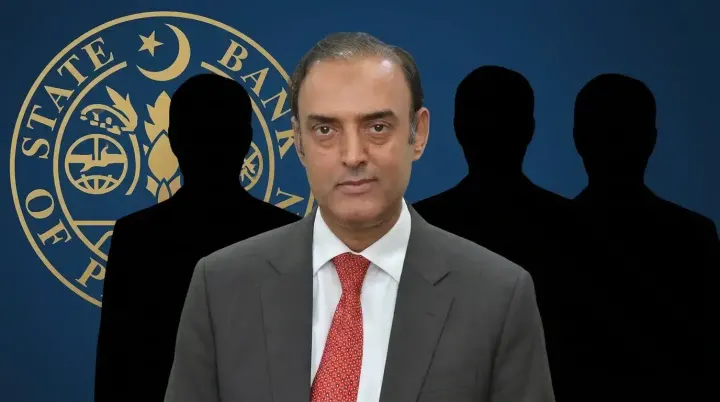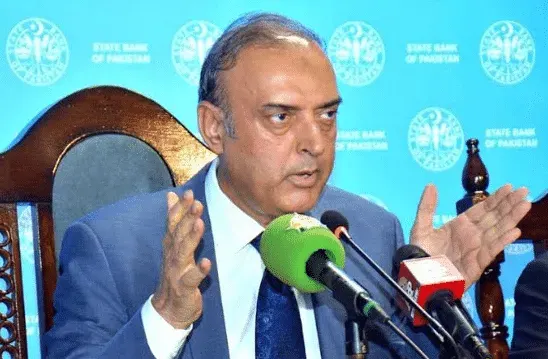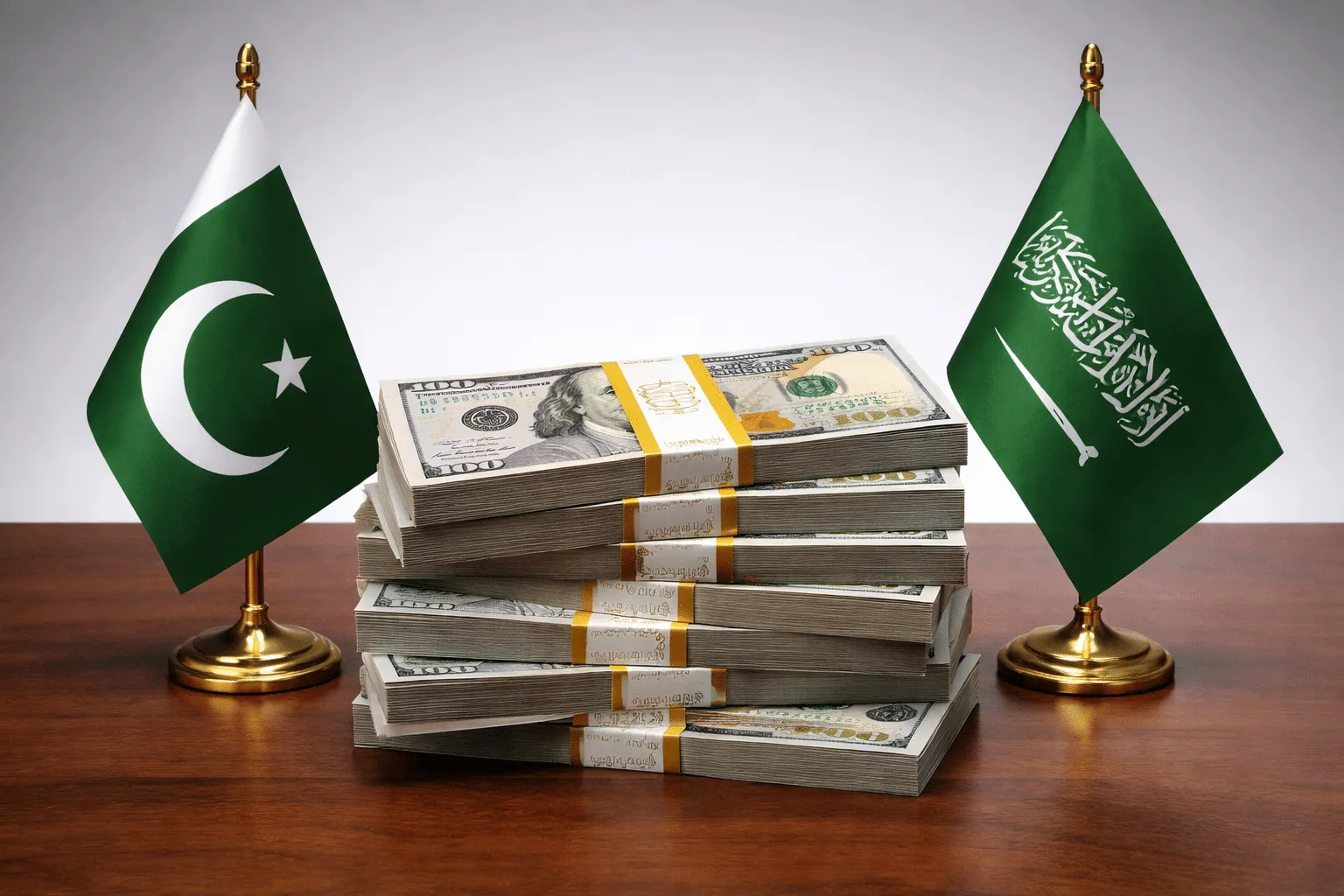
Pakistan has secured an extension of Saudi Arabia's $3 billion financial support, Finance Minister Muhammad Aurangzeb said on Wednesday.
What the Loan Rollover Means for Pakistan
In a brief statement to reporters at Parliament House, Aurangzeb confirmed that the Saudi loan had been rolled over for a further period. The rollover means the repayment schedule has been pushed back, giving Pakistan additional time to manage its external obligations without an immediate cash outflow.
Why the Extension Was Needed
Pakistan's external financing position has been under pressure for several years. Persistent current-account deficits, high import bills and a reliance on external borrowing have left the country vulnerable to shifts in global capital flows. By deferring repayment, the government can avoid a sudden strain on its foreign exchange reserves.
Background on Saudi-Pakistan Financial Ties
Saudi Arabia has been a long-standing source of financial assistance for Pakistan. The two countries signed a series of agreements in the past decade, including a $6 billion package announced in 2022 that combined concessional loans, a sovereign wealth fund investment and a credit line. The current $3 billion loan is part of that broader framework and has been used to fund budgetary gaps and bolster reserves.
Current State of Pakistan's Foreign Exchange Reserves
Aurangzeb told the press that Pakistan's foreign exchange reserves are sufficient to cover around three months of imports. At the end of the last fiscal quarter, the State Bank of Pakistan reported reserves of roughly $12 billion, a level that provides a buffer against short-term external shocks but remains below the three-to-six-month safety net recommended by the International Monetary Fund.
How the Rollover Affects Debt Management
The finance minister said the government is working to avoid concentrating external debt repayments in any particular year. By spreading out payment dates, Pakistan reduces the risk of a "debt cliff" - a situation where multiple large obligations fall due in the same fiscal period, forcing the country to seek emergency financing.
Implications for the Pakistani Economy
With the rollover in place, the immediate pressure on the balance of payments eases. Importers can continue to source essential goods such as fuel, fertilizers and machinery without fearing abrupt currency devaluation. Moreover, the confidence expressed by Aurangzeb about the strong relationship with Saudi Arabia may encourage other creditors to maintain or extend credit lines.
What Comes Next
The finance ministry has not announced any further negotiations with Saudi Arabia, and Aurangzeb said Pakistan does not currently need additional financial assistance from the kingdom. However, the ministry will continue to monitor reserve levels, export performance and fiscal consolidation measures. Any future adjustments to the loan terms will likely be the result of bilateral talks between the two finance ministries.
Practical Takeaways for Businesses and Citizens
Import-dependent businesses can expect continued access to foreign currency at prevailing rates, reducing the risk of sudden price spikes. For the average consumer, the rollover helps keep inflationary pressure in check by limiting the need for abrupt fiscal tightening.
Expert Views on the Rollover
Economists at the Institute of Business Administration note that while the rollover provides short-term relief, structural reforms remain essential. They point to the need for a broader tax base, improved revenue collection and measures to boost non-oil exports as long-term solutions to the foreign-exchange gap.
International Context
Globally, many emerging markets are renegotiating debt terms as they grapple with post-pandemic recovery and higher global interest rates. Pakistan's approach mirrors that of countries such as Sri Lanka and Ghana, which have also sought extensions or debt restructuring to preserve macro-economic stability.
The rollover provides support to Pakistan's external financing position as the country continues to manage its foreign debt obligations and strengthen its foreign exchange reserves.