Hyundai Pakistan Clarifies Vehicle Pricing Position
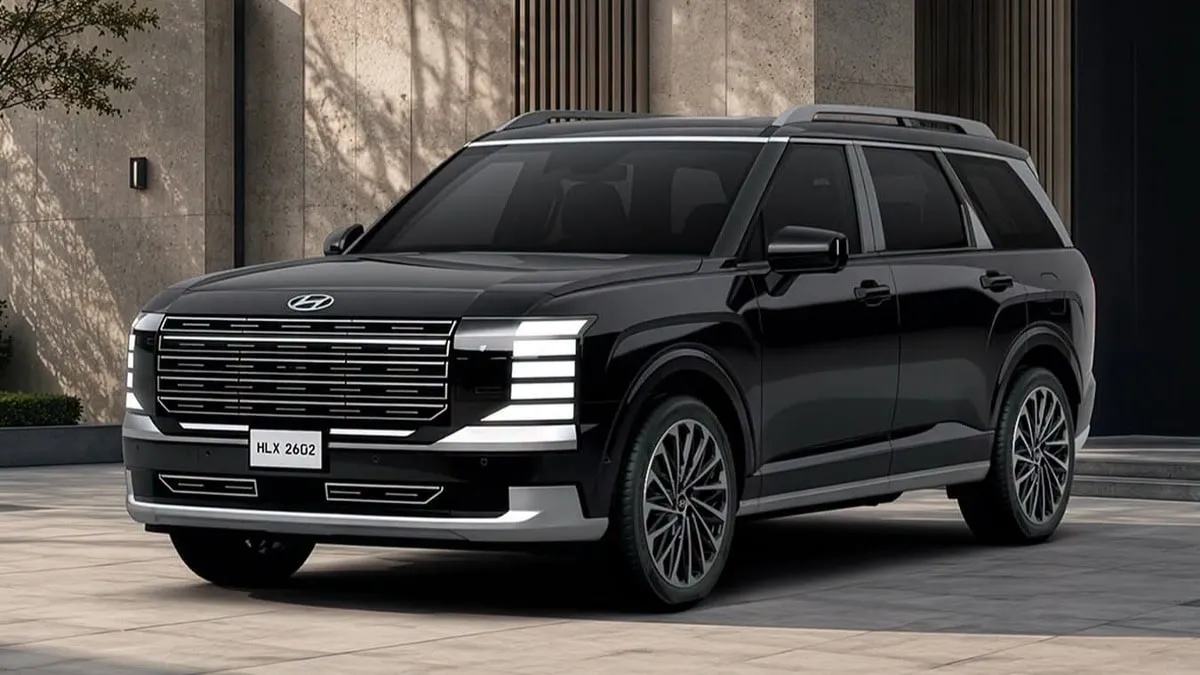
Hyundai Nishat Motor has issued an official clarification regarding the prices of its vehicles in Pakistan, saying that all prices remain unchanged despite recent discussions about possible reductions in automobile prices.
The company released a statement on its official Instagram account to address widespread speculation surrounding potential price cuts. Buyers and automotive enthusiasts had discussed possible cost reductions across the local market following various industry reports.
Automotive sector updates often spark intense interest among prospective car buyers in the region. Market watchers closely monitor policy debates for any sign of financial relief on major purchases.
Background context on the Pakistani automotive industry reveals that pricing structures are closely tied to macroeconomic factors, including currency exchange rates, inflation, and local assembly costs. Manufacturers operating assembly plants in the country must navigate complex supply chains and regulatory frameworks governed by federal ministries.
Understanding how official pricing works requires looking at the relationship between local assemblers and the Engineering Development Board, which oversees sector policies. When regulatory discussions emerge in policy circles, the public often misinterprets administrative reviews as immediate changes to retail showroom stickers.
Why Hyundai Vehicle Prices Remain Unchanged
Hyundai stated that the proposed auto policy was still under consideration and that no related pricing measures had taken effect. Government deliberations on sector regulations often take extended periods before final implementation occurs.
The company further emphasized that any official updates regarding Hyundai vehicle prices would be communicated exclusively through its official channels and authorized dealerships. This measure aims to prevent consumer confusion caused by unverified reports circulating on social media platforms.
Industry observers note that official pricing sheets serve as the only reliable source for buyers navigating the local automotive market. Dealership networks rely on direct corporate directives to manage transactions and customer inquiries.
Regulatory proposals undergo extensive reviews before becoming binding laws or official policies. Ministries typically consult industry stakeholders, economic advisors, and consumer protection groups before enacting structural changes that impact manufacturing costs.
Until formal notifications are published by the government and adopted by corporate boards, assembly plants continue operating under existing financial parameters. This explains why manufacturers issue public clarifications when premature reports gain traction online.
Consumer Impact and Market Expectations
The statement comes as customers await further developments regarding possible changes in automobile prices, with Hyundai reiterating that its existing prices remain unchanged. Buyers currently shopping for new models must budget according to current rate sheets.
Automotive sector analysts point out that vehicle affordability remains a critical concern for middle-class households in the country. Currency fluctuations, import restrictions on parts, and high production costs have historically influenced pricing strategies for assembly plants.
Prospective buyers frequently adjust their purchasing timelines based on anticipated policy shifts. When rumors of price drops spread, showrooms often experience a temporary slowdown in booking activity as customers adopt a wait-and-see approach.
For businesses and individual motorists reliant on commercial fleets or personal transport, price stability is a vital factor in financial planning. Dealerships often field numerous inquiries during periods of high speculation, requiring sales staff to guide clients using verified corporate rate cards.
Consumer protection advocates regularly urge buyers to verify pricing claims directly with authorized outlets before committing funds or canceling pending vehicle bookings.
How Hyundai Communicates Official Updates
Corporate communication policies dictate that verified news regarding vehicle rates comes directly from designated public relations channels. Social media announcements serve as rapid response tools when rumors require immediate correction.
Authorized dealerships act as the primary contact points for retail customers seeking accurate financial details. Sales representatives receive direct guidance from corporate headquarters whenever policy adjustments or model year updates take place.
Independent third-party reports frequently misinterpret regulatory proposals as immediate policy changes. Manufacturers must step in with formal clarifications to maintain market stability and consumer trust.
Digital communication platforms allow automotive brands to reach thousands of followers instantly, curbing the spread of misinformation. However, the speed of digital media also means unverified claims can escalate quickly if companies do not intervene.
Corporate compliance teams monitor online discussions regularly to spot emerging rumors and issue timely clarifications before public misconceptions affect showroom traffic.
Future Outlook forality and the Pakistani Auto Sector
Stakeholders across the manufacturing supply chain continue to monitor the progress of the proposed auto policy. Government ministries review feedback from industry representatives before finalizing regulatory frameworks for the sector.
As discussions continue, automotive companies maintain their current pricing structures to ensure operational continuity. Further announcements will depend on official legislative actions taken by relevant government bodies in the future.
Observers advise consumers to rely strictly on verified corporate releases rather than unconfirmed market chatter. Clear communication helps protect buyers from making financial decisions based on inaccurate information.
As the government evaluates ongoing adjustments to industrial and automotive regulations, market participants watch for official gazette notifications. These legal steps signal the actual implementation of any new policies affecting the domestic car market.
Corporate transparency remains essential for sustaining long-term consumer confidence in the Pakistani automotive sector. Manufacturers will continue using official social media pages and dealer networks to release verified updates.