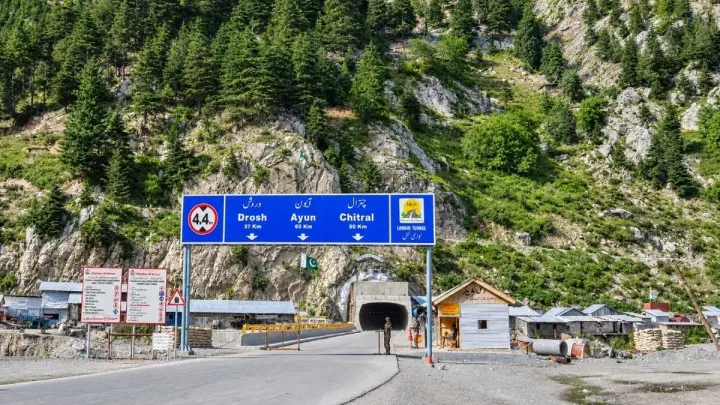
Federal Minister Inaugurates Infrastructure in Gilgit-Baltistan
Federal Minister for Communications Abdul Aleem Khan inaugurated three infrastructure facilities, including two newly constructed bridges and a reconstructed bridge, during his visit to Gilgit-Baltistan. The visit focused on regional connectivity, transport networks, and the acceleration of public works in the northern territory. Improving regional transport links remains a priority for federal authorities seeking to boost economic activity and ease travel in difficult terrain.
The minister also inaugurated the Maloopa Shelter, developed by the National Highway Authority, as part of ongoing efforts to improve road infrastructure in the mountainous region. This facility is designed to support travellers and maintenance crews navigating the challenging geography of the area. Public works in these high-altitude zones require continuous investment to withstand harsh weather patterns and seasonal hazards.
Reconstruction of Flood-Damaged Bageecha Bridge
One of the inaugurated structures was the Bageecha Bridge, which had previously been destroyed by floods and has now been reconstructed. Natural disasters frequently damage transport links in northern regions, cutting off communities and disrupting supply chains. Restoring this crossing reestablishes a vital connection for local inhabitants and commercial traffic dependent on reliable routes.
The reconstruction project formed part of a broader initiative to repair damaged assets and fortify transport corridors against future weather events. Engineering teams worked to rebuild the crossing to modern safety standards, ensuring greater resilience against high water flows. Local communities welcomed the completion of the project, which ends detours and travel delays.
Review of Jaglot-Skardu Road Development Work
During the visit, Abdul Aleem Khan reviewed development work along the Jaglot-Skardu Road and received briefings from officials of the National Highway Authority and Frontier Works Organization on ongoing projects. The corridor serves as a primary artery for the region, connecting remote valleys with major national routes. Officials detailed the progress of various segments, highlighting technical challenges posed by steep slopes and unstable rock formations.
The National Highway Authority and the Frontier Works Organization manage multiple projects across the territory to upgrade dirt tracks to asphalt standards. These improvements reduce travel times for residents, tourists, and freight transporters. Federal oversight ensures that contractors adhere to timelines and maintain quality control throughout the construction phases.
Government Commitment to Regional Road Networks
He said the federal government was committed to improving road infrastructure in Gilgit-Baltistan, particularly in Skardu, and urged the provincial government to extend full cooperation to the National Highway Authority. Administrative coordination between federal departments and provincial bodies is necessary to acquire land, resolve local disputes, and clear right-of-way issues. Strong institutional partnerships help prevent project delays and ensure efficient allocation of public funds.
Investment in northern transport corridors supports the tourism industry, which drives the local economy. Better roads allow visitors to reach scenic destinations safely and comfortably, increasing hotel bookings and retail spending. Small businesses in towns like Skardu benefit directly from reliable supply chains that lower the cost of goods brought in from other parts of the country.
Enhanced Commuter Facilities and Local Concerns
The minister also said he had directed the authority to improve facilities for commuters, including road lighting, rescue services and better traffic management. Motorists travelling through high-altitude passes often face hazards from darkness, sudden weather changes, and accidents. Adequate lighting and responsive emergency services save lives and improve overall highway safety.
He assured local residents that their concerns, particularly those involving the National Highway Authority, would be addressed at the earliest. Public grievances often relate to land compensation, access ramps, and employment opportunities on construction sites. Administrative responsiveness helps maintain community trust and ensures that public works projects proceed smoothly without local disruption.