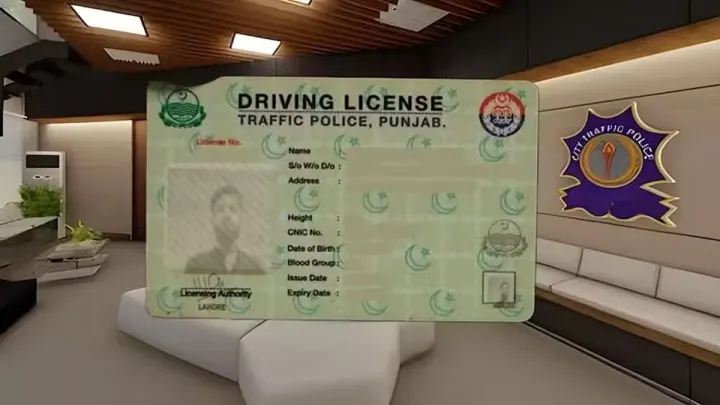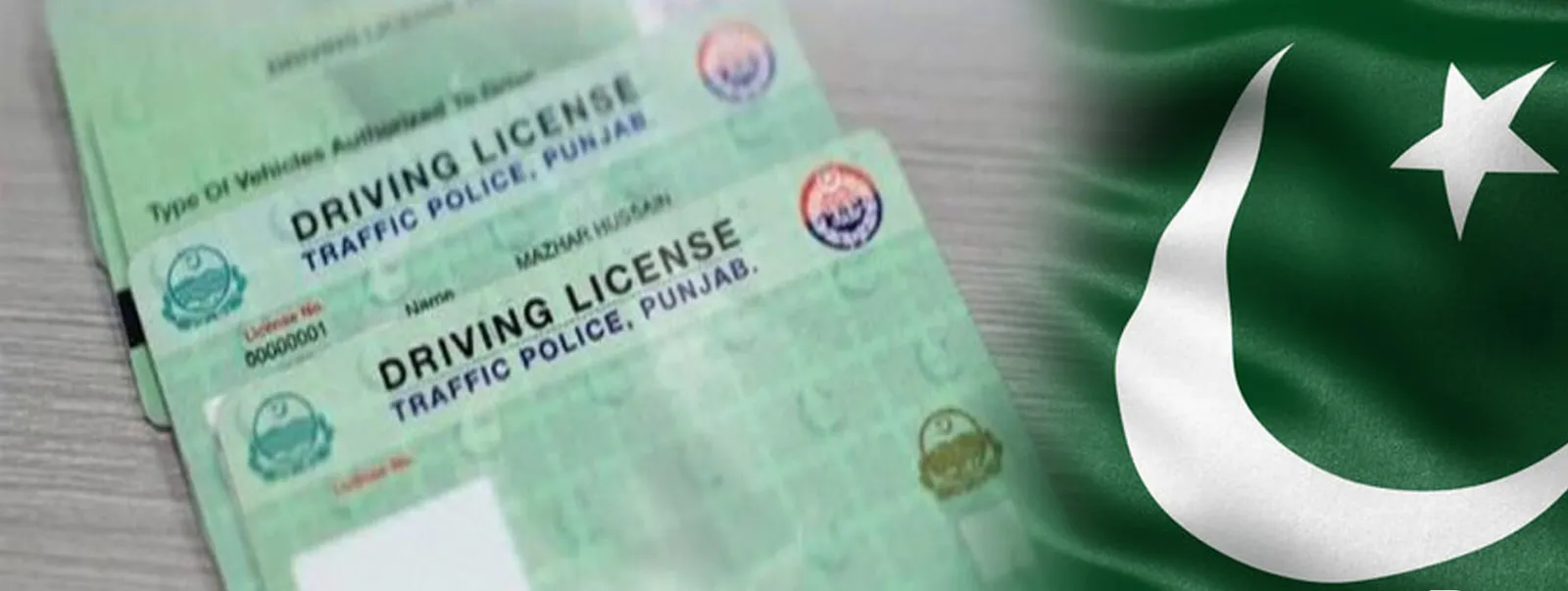
Punjab has processed more than 438,000 driving licence applications in just three weeks as part of a province-wide campaign to speed up licensing services. Lahore accounted for more than 75,000 licences during the period, while the drive was launched following instructions from the Deputy Inspector General of Traffic to make licensing facilities faster and more accessible.
According to a traffic police spokesperson, authorities issued over 141,000 learner permits and more than 130,000 regular driving licences across the province. In addition, over 163,000 licences were renewed during the same period, covering learner, regular and international categories.
Why the Accelerated Licence Drive Was Launched
The decision to fast-track licensing came after the Deputy Inspector General of Traffic highlighted long waiting times and uneven service quality in many districts. Historically, Pakistan's traffic police have struggled with backlogs, especially in populous urban centres such as Lahore, Faisalabad and Rawalpindi. The backlog often forces drivers to wait months for a learner permit or a renewal, creating informal workarounds that can undermine road safety.
By issuing a clear directive, the traffic hierarchy aimed to demonstrate that the provincial administration can respond quickly to citizen grievances. The move also aligns with the Punjab government's broader digital-government agenda, which seeks to modernise public services through online portals, mobile applications and streamlined in-person processes.
How the Licence Issuance Process Works in Punjab
In Pakistan, the issuance of driving licences is governed by the Motor Vehicles Ordinance of 2005, which delegates authority to provincial traffic police. Applicants must first obtain a learner permit, pass a written test on traffic rules, and then clear a practical driving test. Renewals require a medical fitness certificate and, for international licences, proof of prior travel.
During the three-week campaign, traffic police set up temporary counters in high-traffic areas, extended operating hours, and deployed additional examiners to reduce bottlenecks. The spokesperson confirmed that over 141,000 learner permits were issued, indicating that many new drivers entered the system during the window.
Breakdown of the Numbers Across the Province
The total of more than 438,000 licences comprises three distinct categories:
- Learner permits: 141,000+
- Regular driving licences: 130,000+
- Renewals (learner, regular, international): 163,000+
Lahore alone contributed over 75,000 licences, reflecting its status as the province's most populous city and a hub for commercial activity. Smaller districts such as Gujranwala, Multan and Sialkot also reported significant figures, though exact city-level data were not released.
Impact on Road Safety and Economic Activity
Accelerating the issuance of licences has several immediate effects. First, it reduces the number of unlicensed drivers who may otherwise operate vehicles illegally. Second, it shortens the time new drivers spend in training, allowing them to enter the labour market sooner, particularly in transport-related jobs such as ride-hailing, delivery services and logistics.
From a safety perspective, a formal licence implies that the holder has passed standardized tests, which research by the World Health Organization links to lower accident rates. While the long-term impact will depend on enforcement of traffic laws, the rapid issuance is a step toward a more regulated driver population.
What Citizens Should Expect Going Forward
Traffic officials have indicated that the three-week surge is part of a rolling series of initiatives. Citizens can expect continued extended hours at licensing centres, especially in districts where demand remains high. The traffic department also plans to integrate its online application system with biometric verification to further cut processing times.
For those needing a renewal, the spokesperson advised checking the official Punjab traffic website for the latest schedule of renewal camps. Applicants for learner permits should bring original identity documents, a recent photograph, and a medical fitness certificate. Regular licence applicants must also schedule a practical driving test, which may now be booked online.
While the current campaign focused on quantity, authorities emphasized that quality checks remain unchanged. Examiners continue to use the same standardized test criteria, and any applicant found unfit will be denied a licence regardless of the expedited timeline.
Historical Context of Licence Issuance in Punjab
Punjab has historically issued the largest share of Pakistan's driving licences, reflecting its demographic weight. In 2019, the province recorded roughly 1.2 million licences issued annually, with a renewal rate of about 30 percent. Over the past decade, the traffic police have introduced electronic fingerprinting and digital record-keeping, but physical queues at regional offices have persisted.
The 2023-2024 fiscal year saw a policy push to digitise the entire licensing workflow. However, implementation lagged in rural districts due to limited internet connectivity and staffing shortages. The recent three-week push therefore represents both a catch-up effort and a test of the new digital tools.
Experts from the National Institute of Transport Management note that periodic intensive drives, like the one in Punjab, are common in South Asian jurisdictions to manage seasonal spikes, such as before university admissions or during the Ramadan travel period.
Challenges and Criticisms
Despite the impressive numbers, some civil-society groups caution that speed should not compromise thoroughness. A recent report by the Pakistan Institute of Development Economics warned that rapid issuance could increase the risk of procedural shortcuts, especially if examiners are overburdened.
Traffic police have responded by stating that no examiners were asked to skip any test components. They also highlighted that the temporary counters were staffed with senior officers who received additional training for the campaign.
Looking Ahead: Institutional Reforms and Technology Adoption
The Punjab traffic department has outlined a roadmap that includes:
- Full integration of the online licence portal with the national identity database.
- Deployment of mobile licensing units to reach remote tehsils.
- Introduction of a QR-code based verification system for law-enforcement checks.
- Regular public awareness campaigns on road safety and licence renewal deadlines.
If these steps are implemented as scheduled, the province could see a sustained reduction in processing times and an increase in compliance with traffic regulations.
For now, the three-week campaign stands as a concrete illustration of how targeted administrative directives can produce measurable outcomes in public service delivery.