ICC Penalizes Pakistan and Sri Lanka With WTC Points Deductions and Fines
International cricket authorities have issued strict sanctions against two major Test-playing nations following a tightly contested series opener. Sri Lanka have lost 15 points in the ICC World Test Championship standings for maintaining a slow over-rate during the first Test against Pakistan at the Rawalpindi Cricket Stadium. Pakistan have also been penalized, losing five WTC points after falling five overs short of the required rate. These disciplinary actions highlight the strict enforcement of playing regulations governing match duration and bowling speed in international red-ball cricket.
The penalties directly alter the competitive landscape of the ongoing championship cycle, impacting team standings and financial compensation for the players involved. Under the ICC World Test Championship Playing Conditions, teams lose one point for every over they fall short. Sri Lanka were found to be 15 overs behind the required rate, compared to Pakistan's five. Both teams have also been fined under Article 2.22 of the ICC Code of Conduct, which imposes a penalty of five percent of a player's match fee for each over missed, up to a maximum of 50 percent.
How the WTC Standings Changed After the Rawalpindi Test
The administrative sanctions immediately affected both national teams on the official championship table. The deductions have pushed Sri Lanka from seventh to eighth place in the WTC standings, with their points percentage dropping from 33.33 to 15.47. Meanwhile, Pakistan remain ninth and last in the table, with a points percentage of 3.33. Every single match and session carries immense weight in the multi-year cycle, making point deductions a severe setback for teams trying to climb toward the top of the table.
Financial penalties accompanied the points loss to enforce compliance with the governing body rules. As a result, Pakistan's players have been fined 25 percent of their match fees, while Sri Lanka's players have received the maximum 50 percent fine due to their higher over-rate deficit. Match referee Dean Cosker imposed the sanctions following charges brought by on-field umpires Adrian Holdstock and Rod Tucker, third umpire Allahuddien Paleker, and fourth umpire Faisal Afridi.
Understanding the Charges and Code of Conduct
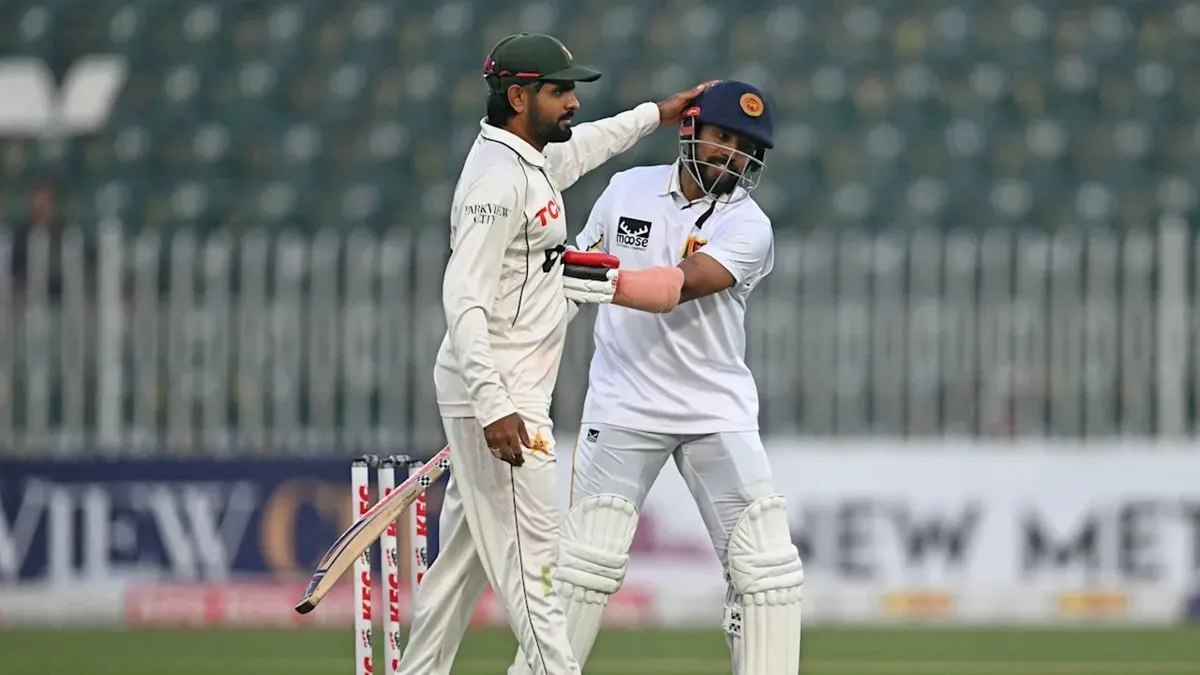
Administrative processes in international cricket allow teams to contest charges or accept responsibility swiftly. In this instance, Pakistan captain Babar Azam and Sri Lanka skipper Kusal Mendis accepted the charges and proposed penalties, avoiding the need for a formal hearing. Accepting the ruling allows squads to maintain focus on upcoming fixtures without the distraction of judicial hearings or appeals processes.
The regulations regarding over-rates exist to ensure that fans receive a full day's entertainment and that broadcasters meet scheduling requirements. When bowling units take too long to complete their allotted overs, it disrupts the rhythm of the match and forces extensions of playing time. The sliding scale of financial penalties up to 50 percent of match fees serves as a strong deterrent for professional athletes.
Match Summary of the Rawalpindi Encounter
The disciplinary action stems from a hard-fought opening Test that ultimately ended in a draw after five days of competitive cricket. Pakistan declared their first innings at 434-9, with five batters scoring half-centuries. The host nation built a solid platform before the visiting side mounted a strong response through their middle-order batting unit.
Sri Lanka responded with centuries from Dhananjaya de Silva and Kusal Mendis to take a 12-run first-innings lead. The visitors looked set to strengthen their position before debutant Saqib Khan claimed seven wickets to turn the game around with an impressive bowling display. Pakistan then batted through the remainder of the match, finishing their second innings at 284-8 to secure a draw.
What Lies Ahead in the Test Series
Despite the administrative fallout from the opening match, the two national squads quickly shifted their focus to the next fixture. The two teams are currently playing the second and final Test of the series, where Pakistan have made a strong start by bowling Sri Lanka out for just 98 in their first innings. This quick turnaround demonstrates the fast-paced nature of international cricket schedules.
As the series concludes, both coaching staffs will likely address over-rate management during training sessions to avoid future sanctions. Maintaining an efficient bowling pace requires coordination between the captain, wicketkeeper, and senior bowlers to set fields and return to the mark without unnecessary delays. Failure to do so risks further point deductions that could harm qualification hopes for the championship final.