Inside the British Airways Pilot Training Centre at Heathrow Airport
Travellers blindly trust pilots to get them safely from one destination to another, but the path to earning a seat at the front of the plane requires intense preparation. British Airways trains its pilots in a massive 1950s aircraft hangar at Heathrow Airport, which feels more like a science fiction movie set than a standard corporate facility. While there are no cinematic heroes wandering the corridors, the structure is impressively large, standing as one of the biggest dedicated airline training centres in Europe.
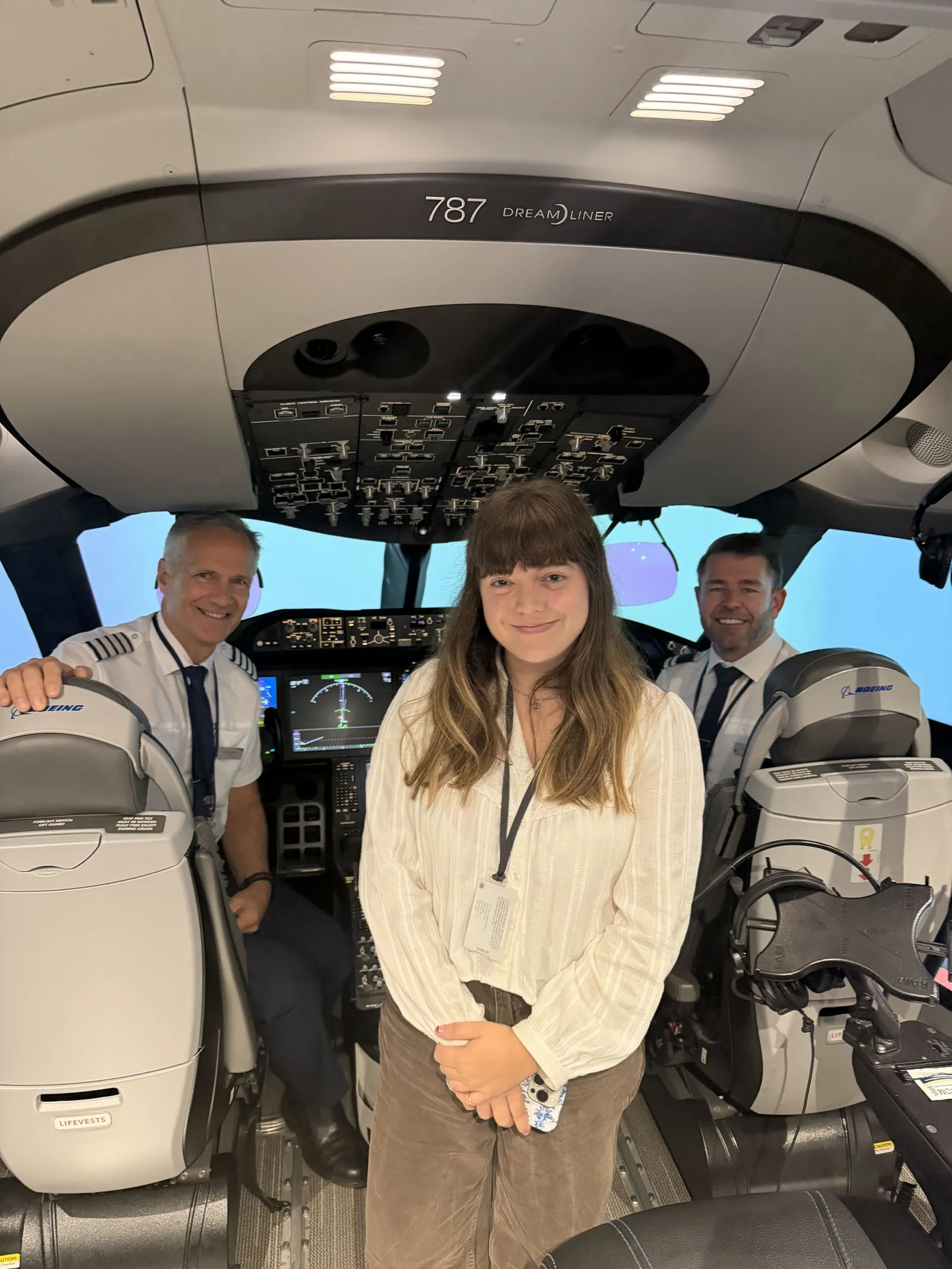
The vast building houses numerous giant pods mounted on stilts, with some moving around to replicate physical motion. These structures are the advanced flight simulators where pilots spend countless hours taking off, flying, and landing across different routes to build critical experience. Narrow bridges lead to each white pod, and the interior replicates an actual aircraft cockpit down to every single button, switch, and lever. The only major difference is the addition of a third seat for an instructor, who controls scenarios played out on a 200-degree screen displaying various airports, routes, and weather conditions.
How Commercial Airline Pilots Train in Advanced Simulators
Every active British Airways pilot returns to this simulator hall twice a year for mandatory refresher training to maintain peak proficiency. When visiting the facility, visitors are given the rare opportunity to test how difficult handling a heavy commercial aircraft can be under expert supervision. Despite facing a million buttons, levers, and switches, takeoff requires surprisingly delicate inputs rather than brute force. Pilots must line up a circle with the centre line and adjust the control column with fractional movements before advancing.
Lifting off the pedal beneath the toes and nudging the throttles brings an immediate sensory reaction, with the seat rumbling as eyes remain glued to the runway markings. Chris Holden, Head of Flight Crew at British Airways and a Training Captain on the airline's Boeing 787 and Boeing 777 fleets, serves as the instructor in the right-hand seat. When the command to rotate echoes through the cockpit, the pilot pulls back gently on the control column, sending the virtual aircraft climbing into the air while the tarmac disappears below. The simulation even includes the mechanical grumble of retracting landing gear and the regular tremble of high-altitude turbulence.
The Truth About Turbulence and Severe Weather
Once the virtual aircraft levels off above the clouds, time at cruising altitude allows for a conversation with the flight crew about what really happens at 36,000 feet. The first topic is a universal passenger anxiety: turbulence. James Bushe, a First Officer, notes that a few bumps are completely normal and comparable to being in a boat on a slightly choppy sea where the vessel rocks safely. Regarding dramatic mid-air storms that occasionally make news headlines for causing passenger injuries, the approach remains proactive rather than reactive.
Bushe states that there is no weather that genuinely scares commercial pilots because crews are trained to avoid severe systems entirely rather than react to them mid-storm. Flight decks use real-time radar and live weather charts to detect storms long before reaching them, allowing crews to adjust their course and occasionally steer hundreds of miles around dangerous weather cells. This systematic avoidance keeps modern commercial aviation remarkably safe even when crossing volatile atmospheric regions.
What Happens If an Airplane Loses an Engine?
Another common passenger worry involves nightmare scenarios such as losing an engine while flying over the open ocean. Bushe explains that every commercial aircraft is certified to safely fly on one engine at all times. Airframes are designed to withstand massive structural forces and pressures that exceed any level of turbulence encountered in standard commercial operations. Furthermore, strict safety corridors across major bodies of water like the Atlantic Ocean ensure that planes remain within safe gliding or diversion distance of an emergency runway throughout the journey. Crews actively discuss diversion plans on every single flight during the cruise phase to maintain constant preparedness.
Daily Duties and Passenger Comfort Secrets
While casual observers might assume pilots relax with a hot drink and a newspaper once the aircraft reaches cruising altitude, the reality involves continuous monitoring of systems. Crews track fuel consumption, engine performance, and cabin climate controls. Bushe points out that the vast majority of physical flying occurs during takeoff and landing, while the time spent at altitude involves constant planning for contingencies. Even on a crystal-clear day, pilots continuously evaluate safe diversion options and alternate landing sites.
Passengers looking to stay comfortable during long-haul journeys should stick to their personal routines, such as having dinner and sleeping normally when travelling through the night. To combat jet lag effectively, Bushe shares a simple habit: drinking plenty of water throughout the flight. Staying hydrated remains the primary key to feeling refreshed upon arrival at a destination, such as British Airways' new route launching in January to Melbourne, Australia.
Tips for Making the Most of Air Travel
Experienced global travellers often pick up practical habits that enhance the journey from departure to arrival. When shopping, passengers should research local prices online before making purchases, as local merchants often beat duty-free rates, though duty-free shops remain ideal for finding items specific to the local region. Additionally, travellers should not hesitate to visit the flight deck after landing, provided they ask the cabin crew first. Pilots appreciate discussing their aircraft, welcoming questions, and allowing visitors to take a souvenir photograph in the pilot's seat. Finally, Bushe praises the efficiency of Heathrow Airport as a well-oiled machine, noting that looking out the window during flight can reveal remarkable sights like the Northern Lights or the snow-capped Rockies.