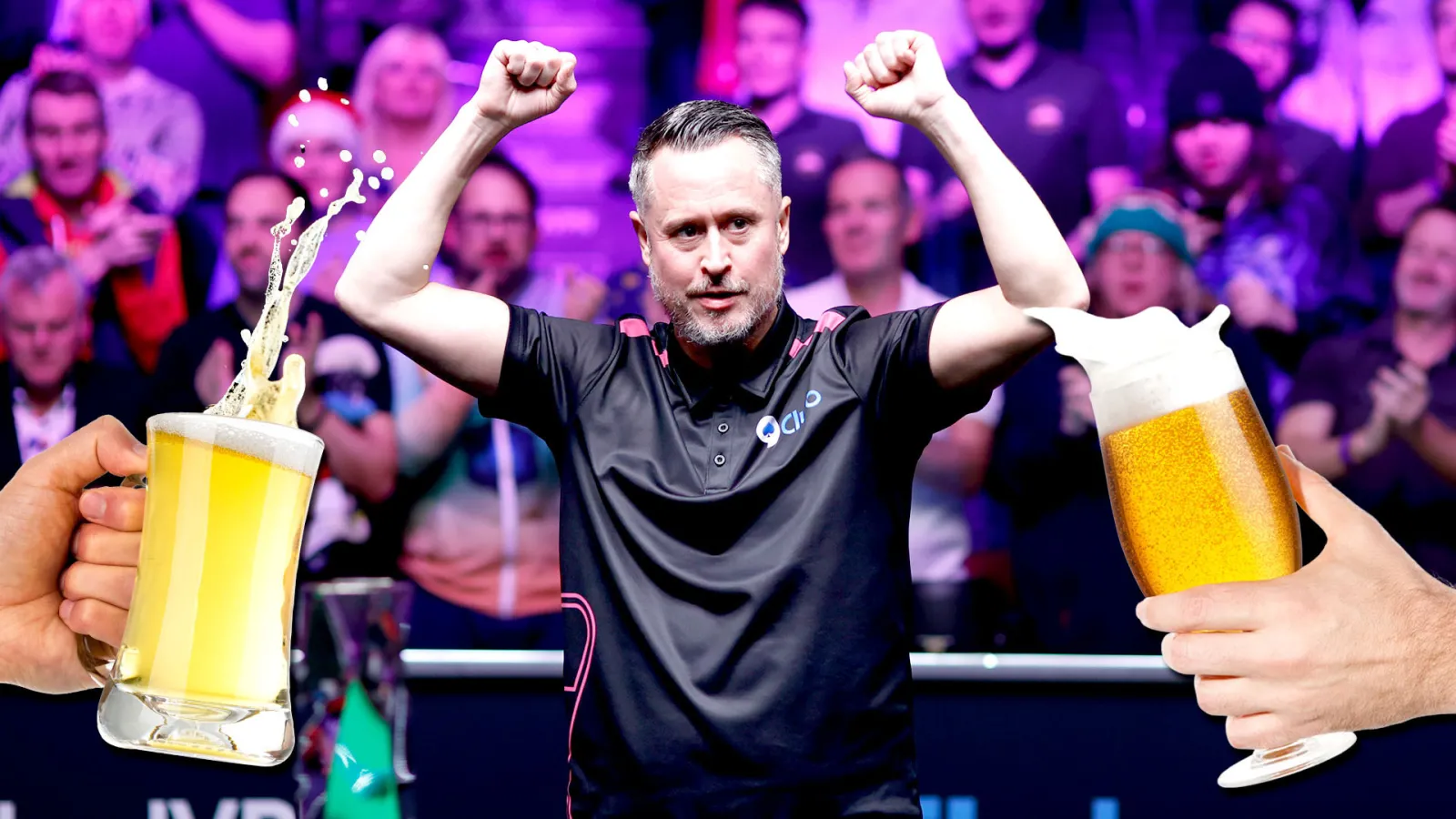
In the second week of December, the world of professional cuesports undergoes a radical transformation that routinely divides opinions among followers of the sport. The 2026 Snooker Shoot Out is scheduled to begin, bringing with it a format where individual matches last a maximum of ten minutes and competitors have as little as ten seconds to execute each stroke. Staged at the iconic Blackpool Tower Circus, the competition features an electric environment where attendees are actively encouraged to wear fancy dress, consume alcoholic beverages, and vocalize their support or disapproval of the professionals on display.
Alfie Burden, who secured the crown last year, prepares to defend his position and compete for the £50,000 prize money. However, he encounters heavy opposition from current world snooker champion Wu Yize and current world number one Zhao Xintong. This unique competition captures widespread attention as an event that traditionalists frequently criticize while casual spectators embrace the fast-paced entertainment.
How the Snooker Shoot Out Beat the Clock Rules Work
The regulations governing this competition strip away the methodical, prolonged nature of standard matches and replace it with a rigid time limit. Competitors have zero opportunity to walk around the baize for extended periods, evaluate complex geometrical angles, or deliberate over positional play. Every single encounter is resolved within a single frame, capped at ten minutes, and whoever accumulates the highest score when the final siren sounds is declared the victor.
A visible shot clock dictates the speed of play throughout the arena. During the opening five minutes of a frame, participants are allowed fifteen seconds for each turn at the table. For the final five minutes of the contest, that allotment drops down to just ten seconds per shot, forcing athletes into a frantic rush. The Snooker Shoot Out first took place in 1990 before evolving into a formal ranking tournament by 2017, opening its doors to all 128 professional tour card holders.
The tournament also maintains a tradition of welcoming wildcard participants, including promising amateur talents. Notably, Welsh potter Liam Davies appeared in the lineup back in 2019 at the age of just 12 years old, establishing himself as the youngest person ever to compete in a professional ranking event. The structure eliminates long tactical stalights and rewards immediate decision-making under intense pressure.
A Party Atmosphere at Blackpool Tower Circus
The venue bears little resemblance to the quiet, respectful environment found at traditional venues like The Crucible Theatre in Sheffield. The crowd dynamics mirror the boisterous energy of a Friday night session at the World Darts Championship held in London. Over the course of four days, spectators fill the stands in elaborate costumes while the historic circus venue uses vibrant neon lighting and loud background music.
Referees do not demand absolute silence from the audience, allowing fans to cheer, jeer, and shout out remarks while players are down on the shot. The dress code for competitors is similarly relaxed, with professionals discarding traditional waistcoats, long-sleeved shirts, and bow ties in favor of comfortable polo shirts. Established names such as Jimmy White and Judd Trump have previously spoken in favor of the rapid gameplay and unpredictability, noting that once the tournament reaches its latter stages, any outcome remains possible.
Conversely, old-school purists often express frustration regarding the noisy environment, arguing that it undermines the traditional etiquette of a gentleman's sport. Prominent figures like Neil Robertson and Peter Ebdon previously opposed its status as an official ranking tournament. Robertson described the inclusion as a huge slap in the face to any player who has actually won a proper ranking event. Mark Allen initially dismissed the format as a massive mockery of the sport and viewed it merely as a bit of fun, though his perspective shifted after he eventually won the trophy in 2023.
Why Shock Results Happen in Short Matches
Because every match is decided within a single short frame, the usual performance gap between a top-16 seed and a lowly-ranked qualifier disappears entirely. This dynamic produces frequent upsets, allowing lower-ranked underdogs to advance deep into the later rounds of the competition. Unpredictable moments, including fortunate flukes, missed black balls as the buzzer sounds, and dramatic frame-stealing pots in the dying seconds, occur on a regular basis.
Alfie Burden celebrated passionately after capturing the £50,000 title last year. The victory carried immense personal significance, marking his first ranking trophy across a professional career spanning three decades. Despite the chaotic nature of the event, Mark Allen remains the only player who was ranked inside the top 16 at the time of the competition to have successfully lifted the trophy.
Why Modern Cuesports Embraces Fast Formats
The sport's governing bodies use this tournament to attract younger demographics who consume content primarily through short video clips on social media platforms. The concise nature of a single-frame battle appeals more effectively to a modern audience compared to a traditional multi-hour match. Furthermore, transforming the venue into an entertainment arena enhances commercial partnerships, resulting in rapid ticket sales and increased television broadcast viewership.
Broadcasters also favor the strict time management offered by the format. Standard snooker matches frequently disrupt television schedules because frames can extend far beyond their estimated duration if tactical battles develop. A Shoot Out frame guarantees completion within exactly ten minutes, providing television networks with reliable scheduling slots for live broadcasts, highlight packages, and digital distribution.