Pakistani Rupee Continues Longest Winning Streak Against US Dollar
The Pakistani rupee closed in green against the US dollar for the 289th consecutive day on Tuesday. Market activity pushed the local currency to close at 276.47 after gaining three paisas against the US dollar today. This steady movement maintains a trend that has persisted for nearly a year across domestic financial exchanges.
Financial monitors note that the rupee has consistently reported gains against the dollar since December 25, 2025. Such a prolonged period of upward movement remains rare in the history of the domestic foreign exchange market. Traders and analysts closely monitor these daily adjustments as the currency maintains its valuation against major global benchmarks.
How the Rupee Performed Against the British Pound and Euro
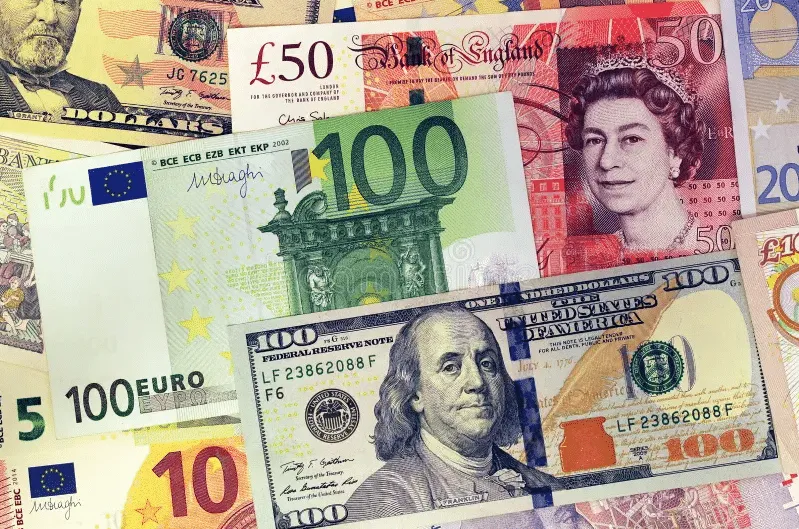
Beyond the US dollar, the local currency posted substantial advances against several European trading partners. The rupee gained Rs. 2.1 against the British Pound during the latest trading session. This sharp upward correction reflects broader shifts in international currency valuations affecting cross-border transactions.
Similarly, the local currency strengthened significantly against the common European currency. The rupee gained Rs. 1.87 against the Euro. Importers dealing with European suppliers often track these movements to calculate procurement costs for machinery, chemicals, and consumer goods.
Gains Against Commonwealth Currencies Including Australian and Canadian Dollars
The upward momentum extended to currencies from Commonwealth nations during the same trading session. The Pakistani rupee gained 71 paisas against the Australian Dollar. This movement impacts trade flows involving raw materials and agricultural commodities sourced from the Oceania region.
In addition, the local tender recorded gains against North American peers outside the United States. It gained 45 paisas against the Canadian Dollar, closing at a stronger position. Exporters sending goods to North American markets factor these incremental gains into their quarterly financial planning.
Stability Against Regional Currencies and Gulf Dinars
Trading desks reported mixed results when observing regional currencies and Gulf currencies tied to expatriate remittances. The Pakistani rupee was stable against the UAE Dirham during the session. Millions of domestic households depend on money transfers from workers residing in the United Arab Emirates.
Furthermore, the local currency gained one paisa against the Saudi Riyal. Saudi Arabia remains a primary source of petroleum imports and remittance inflows for the national economy. Stability in these specific exchange rates helps domestic planners forecast energy import bills and consumer price inflation.
Understanding Foreign Exchange Operations in Domestic Markets
Foreign exchange rates in the country are determined by interbank trading dynamics involving commercial banks and monetary authorities. Central bank policies, foreign reserves management, and export receipts influence the daily valuation of the tender. Commercial entities rely on these interbank closing figures to settle international trade contracts and letters of credit.
Market participants watch the persistent upward trajectory of the local currency with keen interest. While exporters sometimes express concern over competitiveness when the local tender strengthens, importers benefit from lower costs when purchasing raw materials from overseas suppliers. Authorities continue to oversee market liquidity to ensure stable conditions for all economic stakeholders.