Islamabad Police Expands Free Scooty Training Program for Women
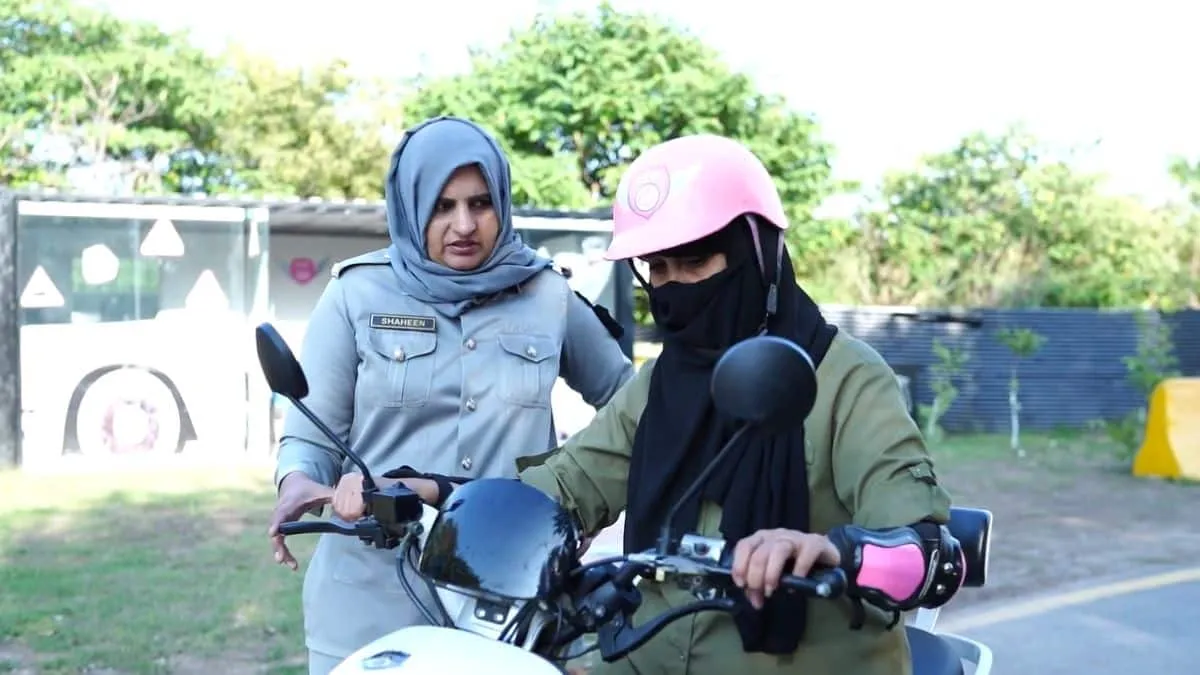
Islamabad Police has opened a second batch of free scooty training for women from 16 to 30 November. This expansion comes as a direct response to a massive wave of applications from female residents in the capital city.
Chief Traffic Officer Kainat Azhar Khan announced the new dates after women in Islamabad sent in more admissions than the first phase could handle, according to an official post by Islamabad Police. The initiative aims to provide accessible, independent mobility options for women by teaching them how to safely operate two-wheelers.
Urban mobility remains a significant challenge for many female commuters in major metropolitan areas. Public transport systems often present hurdles regarding safety, crowding, and fixed schedules. Programs that teach personal vehicle operation offer a practical solution to these daily commuting barriers.
Details of the First Training Phase
Islamabad Traffic Police had already announced classes from 1 to 15 November. Those sessions are still running across designated training grounds in the city.
Khan said the response from women in the city has been overwhelming, and fitting all the incoming admissions into three daily shifts has become difficult. Instructors have been working at maximum capacity to accommodate as many participants as possible during these initial two weeks.
The high volume of applicants demonstrated an unexpected level of enthusiasm. Organizers realized early in the registration process that the original timeline would leave out a large number of eager candidates.
Official Response to Overwhelming Public Demand
The administrative team faced a logistical bottleneck as applications continued to pour in past the initial cutoff point. Expanding the schedule became the most viable option to satisfy the public interest.
"Following the overwhelming response from the women of Islamabad, Traffic Police Islamabad decided to divide the incoming admissions into two phases," she said. This structural adjustment allows authorities to manage group sizes effectively while maintaining high instructional standards.
Managing traffic safety requires careful, hands-on instruction, particularly for beginners. Splitting the cohorts ensures that every participant receives adequate attention from trained traffic police instructors.
How the Second Batch Works for Applicants
She said women who cannot attend classes from 1 to 15 November, or who cannot be accommodated if capacity is reached, can join from 16 to 30 November and learn to ride a scooty free of cost.
This second window acts as a relief valve for the overflowing registration lists. Applicants who missed out on the first set of shifts maintain their opportunity to gain these valuable riding skills without paying any fees.
Participants in both batches receive instruction on road rules, defensive driving, and vehicle control. The training grounds provide a safe, controlled environment away from heavy traffic flows for initial practice sessions.
The Broader Impact on Women Mobility in Islamabad
Empowering women with independent transport options changes daily routines for students, working professionals, and homemakers alike. Owning or operating a scooty reduces reliance on traditional taxis, ride-hailing apps, or family members for daily travel needs.
Traffic authorities often engage in community outreach programs to build better relationships with the public. Training initiatives like this one foster trust and promote safer driving habits across the entire urban road network.
As cities grow denser, promoting lightweight two-wheelers also aligns with broader traffic management goals. Smaller vehicles take up less road space and contribute less to congestion compared to larger cars carrying single occupants.
What Participants Can Expect in the Upcoming Sessions
The upcoming sessions running from 16 to 30 November will follow a similar curriculum to the ongoing classes. Instructors will guide participants through basic balance exercises, throttle control, braking techniques, and navigation rules.
Women interested in joining the second batch should monitor official Islamabad Police channels for registration details and venue specifications. Authorities continue to process the backlog to ensure a smooth transition into the second phase.
With traffic police actively supporting female ridership through structured education, the local transport environment continues to evolve. These efforts lay the groundwork for a more inclusive and mobile female workforce in Islamabad.