NADRA Suspends Influenza and Meningitis Vaccine Registration
The National Database and Registration Authority has temporarily suspended registration and fee collection for influenza and meningitis vaccines for travelers. This sudden halt affects individuals who rely on digital portals to clear their mandatory medical requirements before embarking on international journeys. Travel requirements often demand proof of specific inoculations to prevent the spread of infectious diseases across international borders, making this registration service a critical component for many citizens.
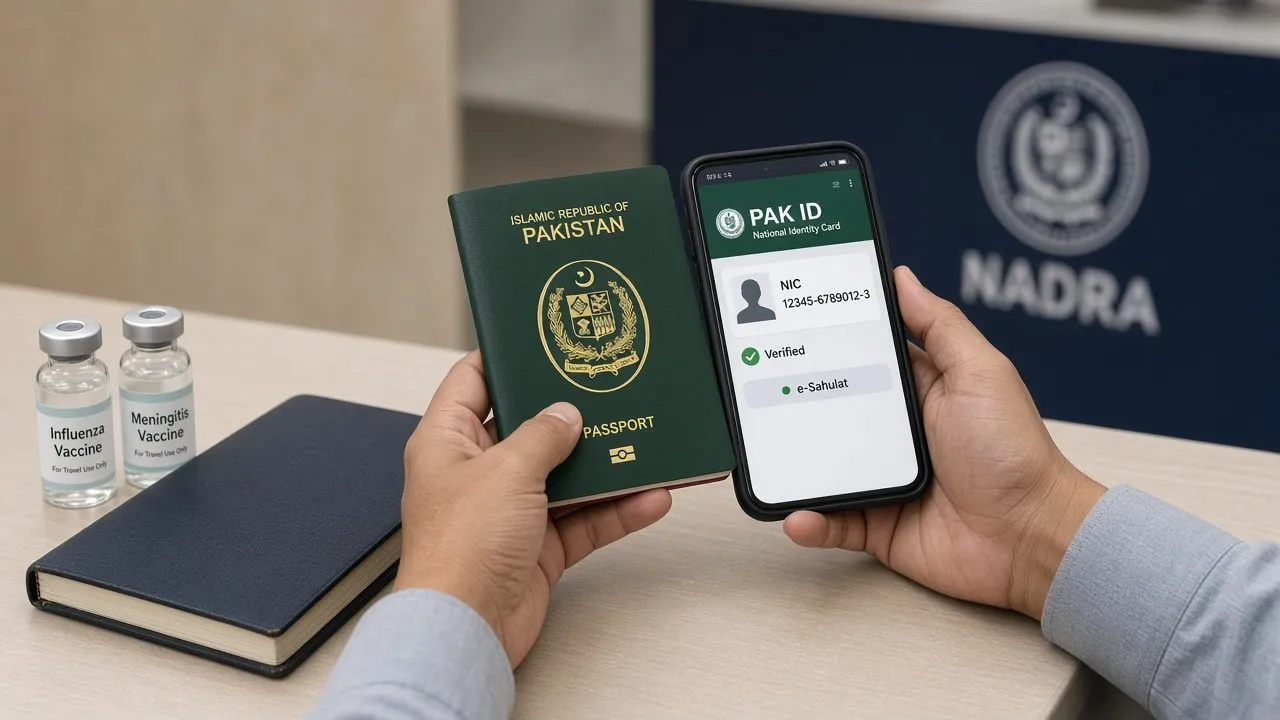
According to an official notice shared by NADRA, the service was being offered through Pak ID and e-Sahulat. These digital platforms have traditionally served as convenient channels for citizens to complete administrative tasks and pay required fees without visiting physical offices. The abrupt stoppage means that applicants must now look elsewhere to fulfill their pre-travel medical documentation needs while authorities sort out the administrative changes.
Why the Vaccine Registration Was Halted
The service has now been stopped on the instructions of Border Health Management. Border Health Management operates under national health directives to monitor and regulate health standards at entry and exit points of the country. Officials from Border Health Management work to ensure that all outgoing and incoming passengers meet strict health compliance rules to protect public health on a broader scale.
While the directive came directly from Border Health Management, the exact reasons behind the sudden suspension remain confined to official channels. Administrative shifts, system updates, or policy realignments between health authorities and registration agencies frequently prompt such interventions. Citizens must rely on official communications from participating departments to understand the operational adjustments taking place behind the scenes.
Impact on Travelers and the Pak ID System
The temporary halt directly impacts international travelers who planned to use the Pak ID and e-Sahulat networks for their vaccine processes. These digital tools were designed to streamline the administrative burden of travel preparation, reducing wait times and paperwork. With the facility offline, passengers face uncertainty regarding how they will secure the necessary verification stamps or certificates required by destination countries.
Business travelers, students, and pilgrims often rely on these streamlined processes to meet tight deadlines before their departure dates. Any disruption in the registration chain can lead to delayed travel plans and administrative confusion at airports and border crossings. Affected individuals must now monitor announcements closely to see when digital channels might resume normal operations.
What Travelers Should Do Next
NADRA asked travelers to contact Border Health Management directly for further guidance and information. Since the registration authority is no longer processing these requests on its digital platforms, the responsibility for directing passengers has shifted to health officials. Direct communication with Border Health Management represents the most reliable method for obtaining accurate instructions during this transitional period.
Travelers should prepare to reach out through official channels established by health authorities to inquire about alternative registration methods. It remains unclear whether physical centers or different online portals will take over the task while the current suspension remains in effect. Patience and proactive inquiry are essential for passengers navigating these sudden regulatory changes.
Understanding the Role of Border Health Management
Border Health Management plays a vital part in enforcing international health regulations within the country. This agency monitors disease outbreaks globally and implements preventive measures at ports of entry to safeguard the local population. Vaccinations against illnesses like influenza and meningitis are standard prerequisites for specific regions, particularly for travelers heading abroad for religious pilgrimages or seasonal work.
Coordination between registration bodies and health watchdogs ensures that only verified individuals receive clearance to travel. When a discrepancy or policy shift occurs between cooperating agencies, services like the one managed through Pak ID and e-Sahulat experience immediate pauses. Observers of public administration note that such measures, while inconvenient for the public, are often part of broader protocol enforcement.
Looking Ahead at NADRA Services
The suspended facility covered both registration and fee collection for influenza and meningitis vaccines. NADRA described the halt as temporary, but it did not say when the service would restart. Digital infrastructure administrators typically wait for formal clearance from partner ministries before bringing paused modules back online.
Citizens dependent on e-Sahulat franchises and the Pak ID mobile application should watch for subsequent updates regarding system restoration. Until official word arrives indicating that registration has resumed, travelers must follow the directive to coordinate exclusively with health authorities for their documentation requirements.