Pakistan Considers Major Administrative Restructuring Into Twelve Provinces
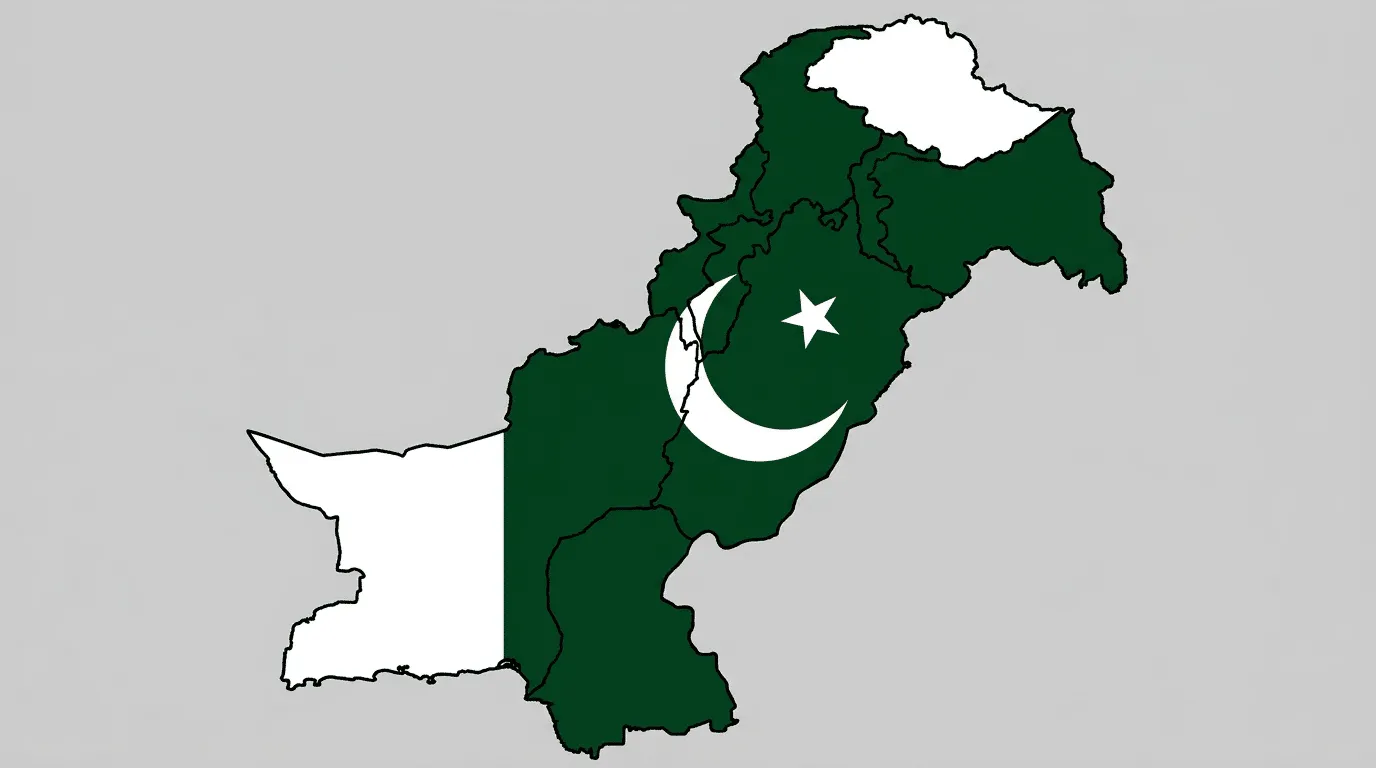
Pakistan is considering a major administrative restructuring plan that could increase the number of provinces from four to 12, with a nationwide referendum potentially held before the proposed 28th Constitutional Amendment. Preliminary discussions envisage moving towards the proposed constitutional amendment during the first half of 2027. Initial steps could be taken in the first quarter of that year. Under the proposal, Punjab could be divided into four provinces, Khyber Pakhtunkhwa into three, Balochistan into three, and Sindh into two. The plan is aimed at improving governance, bringing government services closer to citizens, and ensuring a more balanced distribution of development resources, reported Geo News.
The proposed referendum would seek public support for the broader idea of increasing the number of provinces, rather than leaving the decision solely to political negotiations and party interests. The restructuring is not intended to target any particular province or weaken the political or administrative status of existing provincial units. Instead, it will try to balance Pakistan's growing population, administrative challenges, and uneven development impacting the existing governance structure. The proposal remains at an early discussion stage. No final decision has been taken on the proposed provincial boundaries, administrative structures, or the constitutional process required to implement such a major restructuring. Creating additional provinces would also involve several constitutional and political challenges, including the distribution of financial resources, provincial representation, administrative responsibilities, and the transfer of government institutions.
Background on Pakistan Administrative Structure and Provincial History
The current internal boundaries of Pakistan date back decades, with the federation traditionally comprising four major administrative units: Punjab, Sindh, Khyber Pakhtunkhwa, and Balochistan. Over the years, population growth and demographic shifts have concentrated millions of residents into specific urban and rural centers, straining local infrastructure. Previous governments have faced persistent demands from various regions seeking separate administrative status to address local grievances and improve economic development. Discussions surrounding the creation of new administrative units often center on the sheer size of provinces like Punjab, which holds a massive share of the national population, creating unique challenges for legislative representation and resource allocation.
Historical debates on administrative division in the country usually involve balancing ethnic identities with practical governance needs. While some political actors advocate for division based on linguistic or cultural lines, planners frequently emphasize administrative efficiency and service delivery. Past legislative efforts have occasionally introduced bills or formed parliamentary committees to discuss new sub-divisions, though few proposals have ever advanced to the drafting stage of a constitutional amendment. The current discussions represent a renewed look at structural reform, incorporating mechanisms such as a nationwide public vote to gauge popular sentiment before legislative action begins.
How the Proposed Twelve Province Plan Would Work
The newly outlined concept envisions a complete redrawing of the internal political map by breaking down the current four federating units into 12 distinct entities. Under the proposal, Punjab could be divided into four provinces, reflecting its large population and vast geographic expanse. Khyber Pakhtunkhwa could be split into three administrative zones, accommodating its diverse tribal and settled districts. Balochistan, the largest province by area but the most sparsely populated, could also be divided into three distinct administrative units to better manage its vast terrain and resource distribution. Sindh could be reorganized into two separate provinces, addressing long-standing debates regarding urban and rural governance within the region.
Preliminary discussions envisage moving towards the proposed constitutional amendment during the first half of 2027. Initial steps could be taken in the first quarter of that year. However, the proposal remains at an early discussion stage. No final decision has been taken on the proposed provincial boundaries, administrative structures, or the constitutional process required to implement such a major restructuring. Planners must evaluate how lower-tier local governments would interact with the newly formed provincial capitals and how legislative assemblies in each new entity would be constituted.
The Role of a Nationwide Referendum in Constitutional Reform
A central element of the current administrative restructuring plan is the proposal to hold a nationwide referendum before advancing the 28th Constitutional Amendment. The proposed referendum would seek public support for the broader idea of increasing the number of provinces, rather than leaving the decision solely to political negotiations and party interests. Direct public consultation through a ballot is rarely used for structural reforms of this magnitude in the country, marking a potential shift in how major constitutional changes are legitimized. By appealing directly to voters, proponents of the plan hope to build a broad consensus that transcends partisan divides in parliament.
Organizing a national vote requires extensive logistical preparation, legal frameworks, and voter education campaigns. Electoral authorities would need to establish clear ballot questions regarding the principle of increasing provincial units without necessarily finalizing complex boundary lines on the day of the vote. Political analysts note that while a referendum can demonstrate popular backing, it also carries political risks if voter turnout is low or if regional polarization influences the outcome. The government has not yet released specific timelines or legal drafts for how the referendum question would be framed or when the electorate would head to polling stations.
Goals of the Restructuring: Governance, Services, and Development
The administrative plan is aimed at improving governance, bringing government services closer to citizens, and ensuring a more balanced distribution of development resources. Supporters of subdivision argue that smaller administrative units reduce bureaucratic red tape, making it easier for citizens to access healthcare, education, and municipal services without traveling long distances to distant provincial capitals. Uneven development has long plagued outlying districts, where residents often feel neglected by centralized provincial bureaucracies based in major metropolitan centers. By creating more localized administrations, policymakers hope to direct funds and development projects more accurately to areas with the greatest need.
The restructuring is not intended to target any particular province or weaken the political or administrative status of existing provincial units. Instead, it will try to balance Pakistan's growing population, administrative challenges, and uneven development impacting the existing governance structure. Proponents contend that current administrative machinery is stretched thin, struggling to manage law enforcement, revenue collection, and infrastructure maintenance across massive populations. Breaking the units down is presented as a method to modernize the state apparatus and make public administration more accountable to local populations.
Constitutional and Political Challenges Facing the Twelve Province Proposal
Creating additional provinces would involve several constitutional and political challenges, including the distribution of financial resources, provincial representation, administrative responsibilities, and the transfer of government institutions. Amending the constitution requires a specific legislative majority in both houses of parliament, meaning any restructuring plan must secure wide bipartisan agreement. Lawmakers will have to negotiate how the national tax pool, currently divided under formulas established by bodies like the National Finance Commission, would be reallocated among 12 provinces instead of four. Adjusting the number of seats in the Senate and the National Assembly will also require complex legal adjustments to ensure fair representation for all new regions.
Beyond federal legislation, the division of assets, liabilities, police forces, and civil service personnel among newly minted provincial governments presents a massive logistical undertaking. Existing provincial institutions would need to transfer authority and physical assets smoothly to new regional secretariats without disrupting ongoing public functions. Political resistance from regional parties that hold power in existing provincial capitals could also impede the legislative process. As the proposal remains at an early discussion stage, stakeholders across the political spectrum continue to debate the feasibility and long-term consequences of altering the federal structure.