Islamabad Plans Massive Screening Campaign to Eliminate Hepatitis C
Islamabad plans to screen about 1.7 million residents aged 12 and older in a campaign to become Pakistan's first hepatitis C-free model city. This ambitious public health initiative targets a comprehensive reach across the capital territory to identify and treat every single carrier of the virus. About 46 percent of those eligible live in urban sectors and 54 percent in rural areas, ensuring that both city neighborhoods and outlying villages receive full attention during the rollout.
Task force member Prof. Dr. Saeed Akhter and Pakistan Medical and Dental Council President Prof. Dr. Rizwan Taj briefed university and medical and dental college leaders at the council's headquarters about the operational strategy. Officials said Prime Minister Shehbaz Sharif launched the national elimination program and is personally overseeing funding and resources to guarantee that the campaign faces no logistical or financial bottlenecks. The public health apparatus of the federal capital is mobilizing entirely behind this effort to curb the spread of a disease that affects millions of people across the country.
How Islamabad Will Screen Residents
About 9,000 medical and nursing students will volunteer as part of their community service training, supervised by faculty members, to handle the massive workload of public outreach and testing. They will be joined by 100 staff from the Ministry of Health and District Health Office, plus volunteers recruited through local public representatives. This broad coalition of health professionals, students, and civic leaders creates the workforce necessary to cover every corner of the capital within the designated timeframe.
The drive will deploy 4,500 two-person teams across all sectors and union councils. One member will perform fingerstick tests, similar to blood sugar checks, while the other records results in a NADRA system. Teams will visit homes, schools, universities, madrassas, offices, and markets to ensure no resident misses the opportunity to get tested. By bringing the testing kits directly to the doorsteps and daily gathering places of the population, authorities hope to eliminate the usual barriers that prevent people from seeking medical diagnostics.
Confirmatory Testing and Treatment Protocols
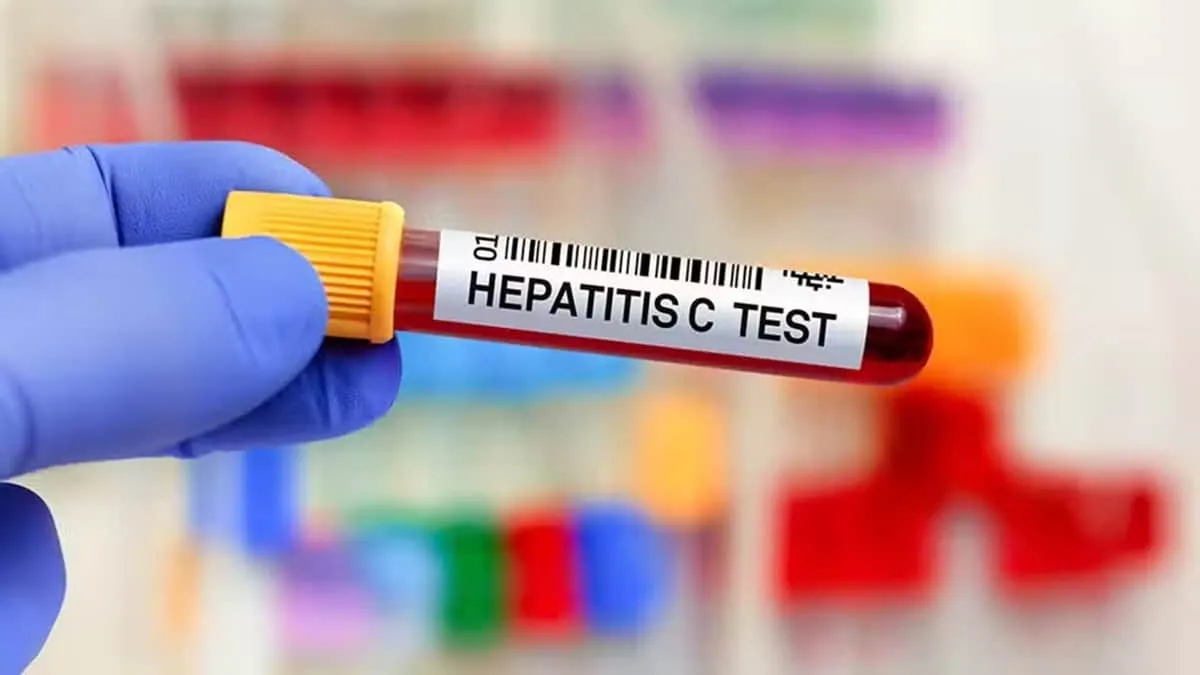
Anyone who screens positive will be referred to a nearby markaz or health facility for a blood sample to confirm infection through PCR testing. Health workers will also calculate an APRI score to assess liver damage, determining the exact stage of the condition and the appropriate course of treatment. The government aims to make the transition from screening to treatment as direct and straightforward as possible, ensuring that diagnosed individuals do not drop out of the care pipeline.
Participating institutions voiced support for the plan, which draws on Egypt's roughly six-year screening and treatment campaign. Egypt successfully used a similar mass screening and direct-acting antiviral distribution model to drastically reduce its national hepatitis C burden. Officials plan to expand the model nationwide if it succeeds in Islamabad, transforming the local pilot into a template for the entire country.
Background and Public Health Impact of Hepatitis C
Hepatitis C is a blood-borne virus that attacks the liver, causing inflammation and potentially leading to severe damage, cirrhosis, or liver cancer if left untreated. For decades, the virus has spread silently through unsafe medical injections, unsterilized surgical equipment, unscreened blood transfusions, and the reuse of syringes. Millions of people live with chronic infections without showing symptoms for many years, making large-scale screening programs the only effective way to uncover hidden cases before permanent damage occurs.
Pakistan carries one of the highest burdens of viral hepatitis globally, making national intervention an urgent priority for health authorities. Previous efforts relied heavily on patients visiting hospitals independently, which failed to capture asymptomatic carriers who felt healthy and had no reason to seek testing. By shifting to an active community-based screening model, the government intends to intercept the transmission chain and treat patients before their conditions progress to end-stage liver disease.
Mobilizing the Healthcare Workforce and Technology
The success of the Islamabad campaign depends heavily on the integration of student volunteers and digital tracking infrastructure. Deploying thousands of medical and nursing students provides them with invaluable practical experience in public health epidemiology while solving the severe personnel shortage that usually plagues large screening drives. Faculty supervision guarantees that testing procedures adhere strictly to medical standards and safety protocols.
Using the NADRA database system for real-time data entry ensures that every test result is securely logged against national identification records. This digital tracking prevents duplicate testing, helps monitor coverage rates across different union councils, and allows health planners to redirect teams to areas with lower participation. The combination of grassroots mobilization and centralized digital record-keeping creates a transparent and accountable administrative framework.
What Comes Next for the National Elimination Program
As the teams prepare to deploy across urban sectors and rural union councils, the immediate focus remains on achieving complete coverage of the 1.7 million target population. Local health facilities are stocking up on PCR testing kits, APRI calculation tools, and antiviral medications to handle the anticipated influx of confirmed positive cases. The government will closely monitor the operational hurdles, turnaround times, and treatment adherence rates observed during the Islamabad rollout.
If the capital successfully reduces its hepatitis C prevalence to near zero through this aggressive intervention, the strategy will serve as the baseline for provincial rollouts across Punjab, Sindh, Khyber Pakhtunkhwa, and Balochistan. International health observers and domestic policymakers alike are watching the Islamabad initiative to see how a developing nation can adapt proven international models to local demographic realities. The ultimate benchmark of success will be the number of lives saved and the permanent eradication of the virus from the daily life of the city.