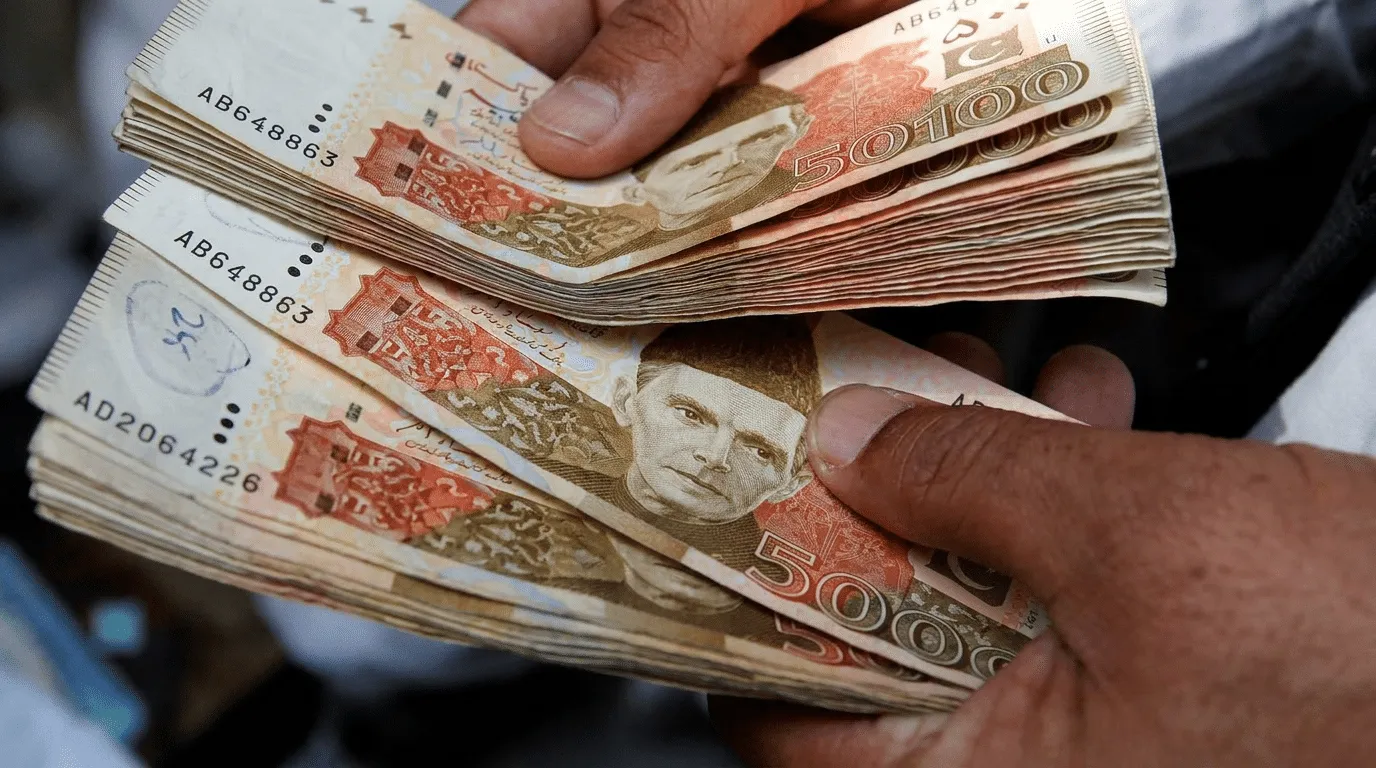
Pakistanis can still obtain a Rs. 2.5 million home loan under the government housing initiative known as the Apna Ghar program, requiring repayment through manageable monthly instalments of just Rs. 16,499. Alongside housing finance availability, the administration has increased the ceiling for youth business financing up to Rs. 25 million, providing expanded financial support for aspiring entrepreneurs across the country.
This government-backed housing package aims to expand property ownership accessibility for citizens who might otherwise struggle with conventional commercial mortgage rates. With structured financing terms and fixed markup periods, the initiative addresses long-standing challenges in the domestic housing sector by making residential properties attainable for middle-income and lower-middle-income households.
Understanding the Apna Ghar Housing Program Structure
Under the Apna Ghar scheme, loans of up to Rs. 10 million are offered for up to 20 years at a fixed markup of 5 percent for the first 10 years. Announced first in April 2026, borrowers taking Rs. 5 million, Rs. 7.5 million and Rs. 10 million will pay monthly instalments of Rs. 32,997, Rs. 49,497 and Rs. 65,996, respectively. This tiered payment framework ensures that financing scales predictably according to the total principal borrowed by each applicant.
The program structure includes specific protections for borrowers through long-term fixed rates during the initial decade of repayment. By locking in the markup at 5 percent for the first 10 years, the government shields families from sudden monetary policy shifts and fluctuating commercial interest rates. This predictability allows households to plan their long-term budgets effectively without fearing unexpected spikes in monthly liabilities.
How the Apna Ghar Home Loan Works for Buyers
Banks will finance 90 percent of the property value, while the borrower pays the remaining 10 percent. There is no processing fee or early repayment penalty. Applicants can buy a house of up to 10 marla or an apartment of up to 1,500 square feet, or buy a plot and build on it. Applications are accepted at apnaghar.gov.pk and participating banks.
The requirement for a 10 percent down payment significantly lowers the barrier to entry for prospective homeowners who lack substantial accumulated savings. Furthermore, the absence of processing fees and early repayment penalties gives borrowers the financial flexibility to clear their debts ahead of schedule if their financial standing improves, without incurring extra charges.
Disbursement Progress and National Housing Targets
By November 13, over Rs. 112 billion had been disbursed to 18,980 families, and lending has jumped 404 percent since June. The government now aims to finance 150,000 homes by June 2027. These figures reflect a sharp acceleration in mortgage distribution, driven by heightened public demand and smoother administrative processing through commercial banking partners.
The rapid expansion of mortgage volume indicates strong underlying demand for affordable housing solutions within the country. Financial institutions participating in the program have streamlined their evaluation procedures to handle the influx of applications efficiently, ensuring that qualified families receive funds in a timely manner to complete their property purchases or construction projects.
Youth Loans Now Up to Rs. 25 Million
The State Bank of Pakistan has added a new Tier 4 to the PM Youth Business and Agriculture Loan Scheme for loans above Rs. 7.5 million and up to Rs. 25 million, carrying an 8 percent markup for borrowers and a tenure of up to eight years, including a one-year grace period. Here is how to apply for the PM Youth Loan.
This addition to the youth loan framework opens pathways for larger entrepreneurial ventures, moving beyond micro-enterprises into small and medium enterprise development. The inclusion of a one-year grace period gives new business owners time to establish their operations and generate revenue before principal repayments begin, reducing initial financial strain.
Economic Impact and Wider Mortgage Context
The push matters as mortgage financing is just 0.3 percent of Pakistan's GDP, against 12 percent in Indonesia. This vast disparity highlights the historical underdevelopment of mortgage markets in the country, where commercial banks have traditionally preferred lending to the government rather than individual home buyers due to perceived credit risks.
By stepping in with subsidized markups and risk-sharing mechanisms, state initiatives attempt to correct this market failure and stimulate construction activity. A thriving housing sector generates employment across dozens of allied industries, including cement, steel, plumbing, electrical supplies, and real estate services, creating broader economic multiplier effects.
Eligibility Verification and Application Channels
Prospective applicants must navigate specific verification steps to qualify for either the housing or youth business schemes. Commercial banks evaluate applicants based on documented income sources, National Identity Card validity, and credit history through local credit bureaus to ensure repayment capacity.
For housing applicants, property selection must strictly adhere to the defined size limits of 10 marla for houses or 1,500 square feet for apartments. Submissions through the official web portal or designated bank branches undergo rigorous scrutiny to prevent fraudulent claims and ensure that subsidies reach genuine end-users.