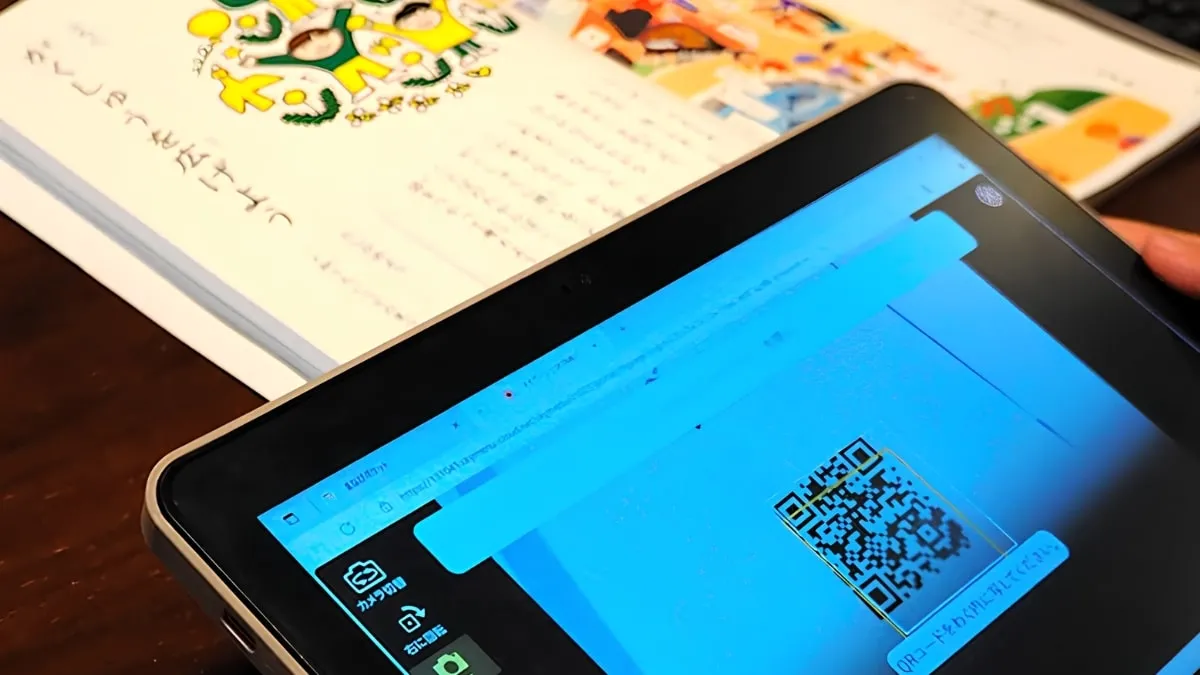
Japan intends to limit the use of digital-only textbooks in schools by proposing a ban for children in fourth grade and lower, according to draft education guidelines.
Digital-only books would be allowed primarily for English and practical subjects like music and art for fifth graders and older pupils, while paper learning stays central when new formats launch in 2030.
The education ministry suggests print-digital hybrid books across various grades and subjects, using digital elements to back up lessons and giving younger children less digital content than older peers.
Experts voiced worries regarding how digital study impacts kids with developing cognitive skills, prompting this strategy, while the draft emphasizes handwriting and designated writing periods during school hours.
Officials intend to track how digital textbooks affect student health, including vision, and academic results, permitting guideline adjustments based on evidence gathered from schools.
Lawmakers passed legislative amendments in June setting up paper-only, digital-only, and hybrid book formats, and the ministry will gather public feedback prior to completing the guidelines by year-end.
Elementary schools will roll out the new formats in 2030, followed by junior high schools in 2031 and high schools in 2032.