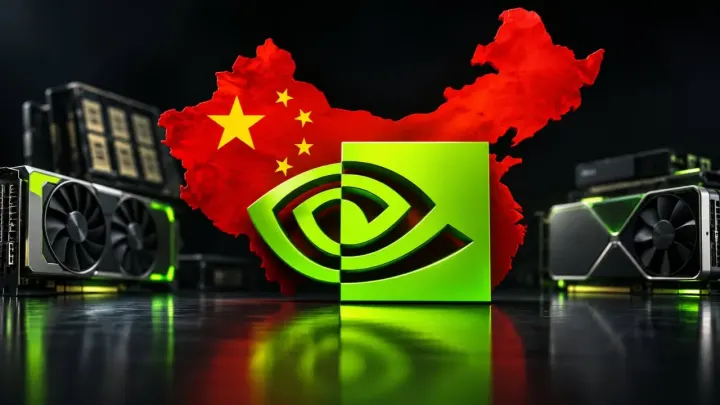
The Return of Jensen Huang to Nvidia
Jensen Huang returned as CEO of Nvidia on Monday morning, marking a dramatic shift for one of the most prominent leaders in the global technology sector. His reinstatement follows a sudden resignation that occurred after news broke regarding multiple personal affairs. The swiftness of his return has left industry analysts and market participants scrambling to understand the future direction of the company.
The situation developed rapidly over recent days, capturing the attention of corporate governance experts and technology investors alike. Nvidia sits at the absolute center of the modern technology economy, making any leadership disruption at the firm a matter of international significance. Observers are closely monitoring how the board of directors handles the fallout from these revelations.
Understanding Nvidia and Global Artificial Intelligence Infrastructure
So much of the artificial intelligence industry is built on top of Nvidia, creating a unique dynamic where the entire sector depends heavily on a single corporate entity. From massive data centers to smaller enterprise deployments, the hardware powering modern machine learning models originates from Nvidia. This technological dominance means that any instability at the top of the firm ripples across hundreds of dependent businesses.
The company designs and manufactures the specialized graphics processing units that allow developers to train complex neural networks. Without this underlying infrastructure, the rapid expansion of artificial intelligence applications over recent years would have been impossible. Competitors have tried for years to capture market share, but Nvidia maintains a commanding lead in hardware supply.
Corporate Governance and the Resignation Controversy
The initial resignation of Jensen Huang was triggered by news of multiple affairs, bringing intense scrutiny to the internal culture and oversight mechanisms at the chipmaker. Corporate leadership standards require strict adherence to policies regarding relationships within the workplace, particularly when power imbalances exist. The revelation of these personal entanglements forced an immediate and public crisis for the board.
One of the affairs involved a subordinate, raising serious questions about workplace ethics and potential conflicts of interest inside the organization. Human resource protocols in major technology firms strictly prohibit undisclosed romantic involvement between managers and reporting staff to protect workers and maintain operational integrity. The board had to confront these violations directly before accepting his initial departure.
Security Implications and the Chinese Intelligence Connection
Compounding the internal governance issues, another affair involved a woman tied to Chinese intelligence services. This foreign security connection introduces complex geopolitical vulnerabilities given the sensitive nature of semiconductor technology and hardware development. Governments around the world monitor the technology supply chain for potential espionage risks, especially involving major players in advanced computing.
Nvidia produces cutting-edge processors that are subject to strict export controls and national security regulations. Any personal association with foreign intelligence assets creates immediate concern among security agencies and shareholders who worry about intellectual property protection. The board must address these security dimensions as the company resumes normal operations under its reinstated chief executive.
Market Reaction and Industry Dependence on Nvidia Chips
Global financial markets reacted with immediate volatility as news of the resignation and subsequent return circulated among investors. Technology stocks tied to artificial intelligence development experienced sharp movements as traders weighed the potential risks of a prolonged leadership vacuum. Because the entire artificial intelligence ecosystem relies on Nvidia hardware, market confidence remains intrinsically linked to the stability of the executive suite.
Enterprise customers who purchase thousands of specialized chips to run their proprietary models voiced quiet concern over the sudden turmoil. Business continuity depends on steady hardware delivery, software support, and long-term strategic vision from the manufacturer. Any disruption in executive leadership threatens to delay major technology projects across multiple global industries.
What Stakeholders and Observers Are Watching Next
As normal operations resume following the Monday morning announcement, attention turns to how the company will manage internal communications and governance reforms. Shareholders will look for reassurance that appropriate safeguards are in place to prevent similar controversies from recurring. Transparency from the board of directors remains essential for restoring trust among institutional investors and industry partners.
Regulators and security officials will also maintain a close watch on corporate compliance and information security protocols. The intersection of personal conduct, corporate power, and international security demands ongoing scrutiny from all relevant authorities. The coming weeks will reveal whether leadership stability can be maintained while addressing the underlying concerns raised by these events.