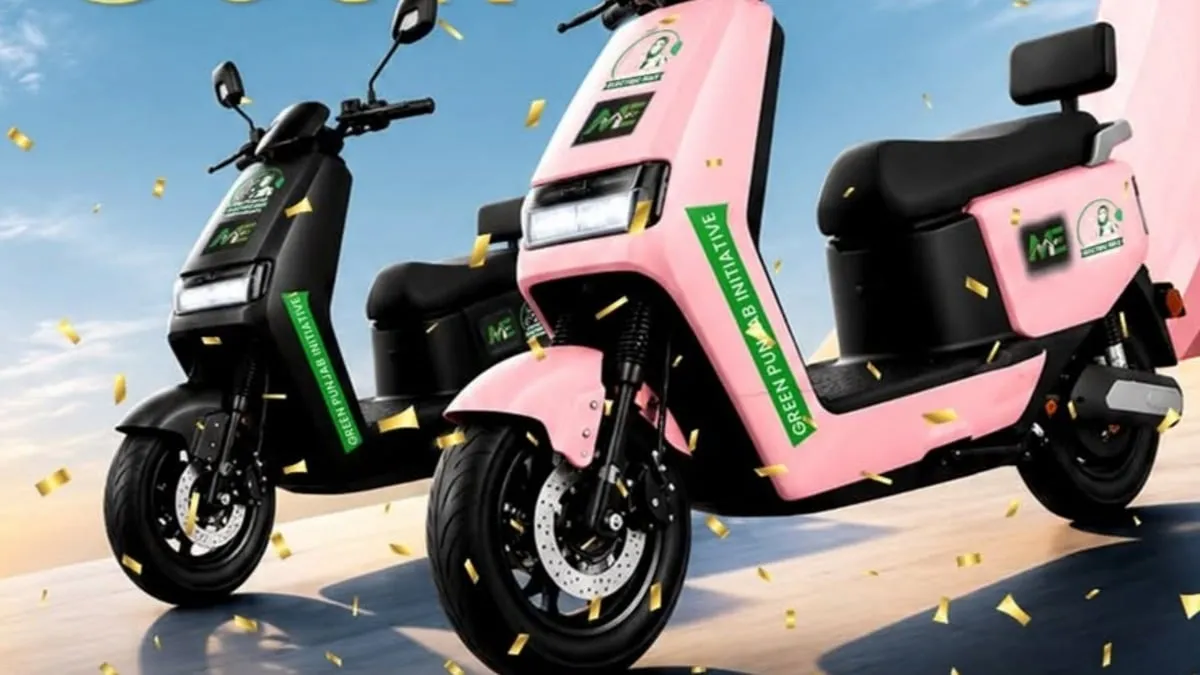
The Punjab Transport and Mass Transit Department announced on Facebook that the distribution of electric bikes under the CM Punjab E-Bike Scheme is "Coming Soon," after the originally scheduled November 5 hand-over was postponed.
Chief Minister Maryam Nawaz told a gathering in Jhelum on November 10 that the rollout will now begin in December 2026 because the manufacturing pipeline is handling a large volume of bikes.
What Is the CM Punjab E-Bike Scheme?
The scheme, launched in early 2024, is a provincial initiative aimed at providing electric bicycles to university and college students across Punjab. It is part of a broader effort to reduce traffic congestion, lower carbon emissions, and promote affordable, sustainable mobility for youth.
Under the programme, eligible students receive an electric bike on an interest-free instalment plan. The government pays the markup on the bike price and covers insurance premiums. Each recipient also gets a certified safety helmet and mandatory free riding training conducted by certified instructors.
How Many Bikes Are Planned and Who Can Apply?
Phase two of the scheme targets the distribution of 100,000 electric bikes. The selection process uses a random ballot among applicants who meet the eligibility criteria, which include being a full-time student enrolled in a recognized higher-education institution in Punjab and having a valid national identity card.
More than 600,000 students submitted applications during the open window that closed in September 2024. The high demand reflects both the attractiveness of a subsidised electric vehicle and the growing awareness of climate-friendly transport options among young people.
Why Was the Original Distribution Date Postponed?
Chief Minister Maryam Nawaz originally announced that the first batch of bikes would be handed out on November 5, 2024. During a press briefing in Jhelum on November 10, she explained that the manufacturing partners required additional time to complete the order because of "the large number of bikes being manufactured."
The delay also allows the department to finalise the ballot results, verify student documentation, and coordinate logistics for delivering the bikes to educational institutions across the province.
What Does the Distribution Process Involve?
Once a student is selected, the department will contact them via the contact details provided in the application. The student must then sign an agreement that outlines the interest-free instalment schedule, the responsibilities for bike maintenance, and the requirement to attend the free riding-training session.
After the agreement is signed, the student receives a helmet and a certificate of completion for the training. The electric bike is then handed over at a designated distribution centre, often located on or near the campus of the student's institution.
Impact on Students and the Wider Community
Providing 100,000 electric bikes is expected to reduce reliance on petrol-powered motorcycles and cars among young commuters. The government estimates that each bike could cut up to 1,200 kilograms of CO₂ emissions per year, contributing to Punjab's climate-action targets.
Students benefit from lower transportation costs, as the interest-free instalment plan eliminates loan interest and the government covers insurance. The safety training and helmets aim to lower the risk of accidents, a common concern with two-wheelers in the region.
What Are the Next Steps for Applicants?
Applicants who have not yet been notified should keep an eye on official communications from the Transport and Mass Transit Department, including Facebook updates, the department's website, and SMS alerts. The department has not released an exact distribution date, but it has confirmed that the rollout will start in December 2026.
Students who are selected will need to:
- Confirm receipt of the selection notice within five business days.
- Attend the mandatory riding-training session, typically scheduled within two weeks of confirmation.
- Sign the instalment agreement and provide any additional documentation requested.
- Collect the bike and helmet from the assigned distribution centre.
How Does This Scheme Fit Into Punjab's Transport Policy?
Punjab's transport policy for 2023-2028 emphasizes a shift toward electric mobility, the expansion of charging infrastructure, and the promotion of non-motorised transport. The E-Bike Scheme aligns with these goals by targeting a demographic that is both mobile and environmentally conscious.
The government has also announced plans to install fast-charging stations at major university campuses, ensuring that students can recharge their bikes conveniently. Funding for the scheme comes from the provincial budget allocation for green transport, supplemented by a public-private partnership with local bike manufacturers.
Potential Challenges and How They Are Being Addressed
Logistical challenges include coordinating the delivery of 100,000 bikes across 36 districts, ensuring that each bike meets safety standards, and managing the large volume of applications. To mitigate these issues, the department has set up regional coordination offices and hired additional staff for verification and distribution tasks.
Another concern is the maintenance of the bikes after distribution. The scheme includes a two-year warranty on the battery and motor, and a network of authorised service centres is being established in major towns to provide affordable repairs.
What to Watch for After the December 2026 Launch
Stakeholders should monitor the following developments:
- Official announcement of the exact distribution date and the list of participating institutions.
- Roll-out of charging infrastructure on campuses.
- Feedback from the first batch of recipients regarding bike performance and training effectiveness.
- Any policy adjustments based on the pilot's outcomes, such as changes to the instalment schedule or expansion to other provinces.
These indicators will help assess whether the scheme meets its objectives of reducing emissions, lowering student transport costs, and improving road safety.