Why John Fury Wishes the Tyson Fury and Anthony Joshua Fight Never Happened
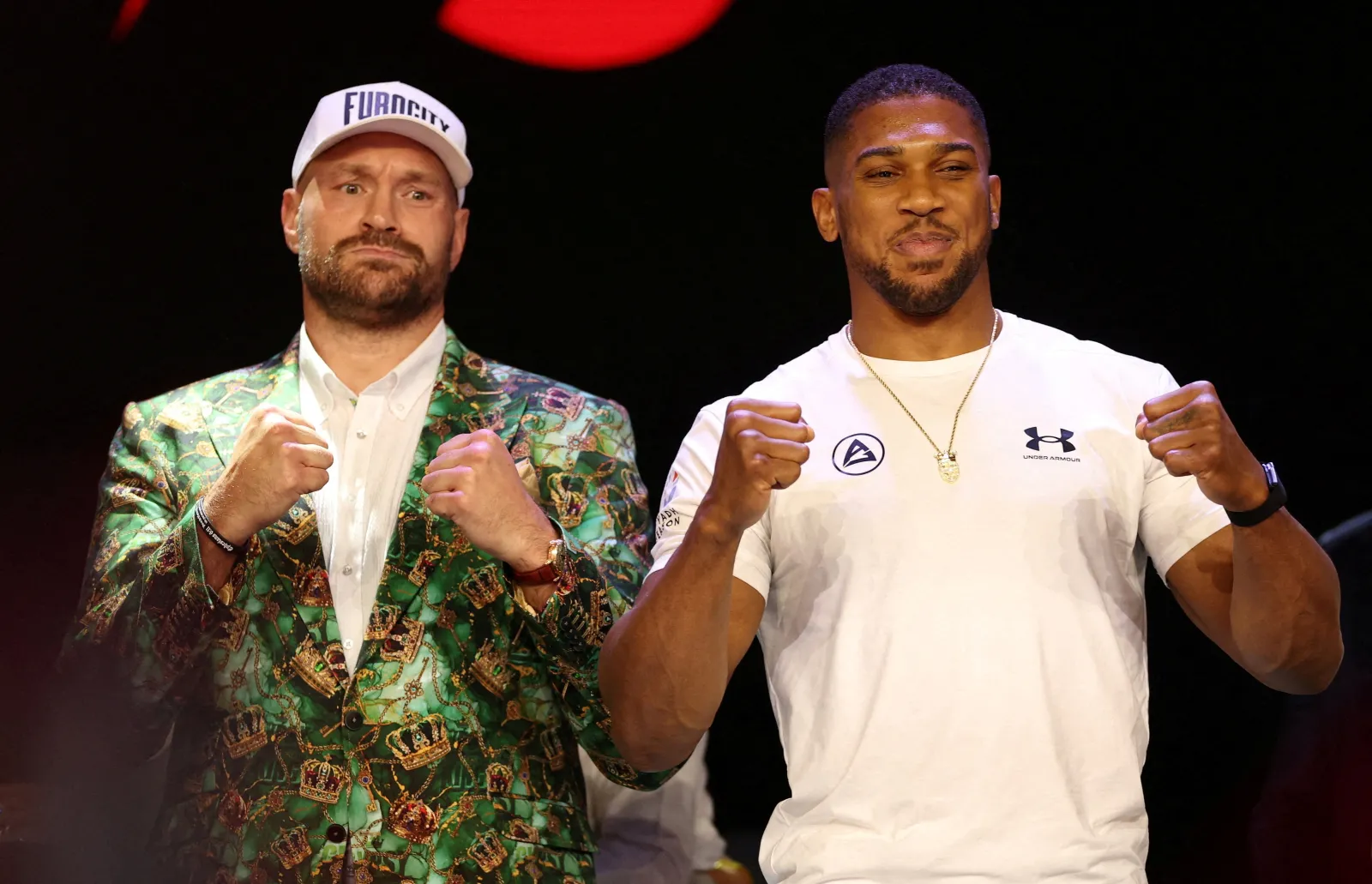
John Fury has revealed that he fears the loser of Tyson Fury and Anthony Joshua's mammoth clash may never get over their defeat. The long-time rivals are finally set to clash at the Principality Stadium in Cardiff next month. But John, father of Tyson, has claimed he would rather the fight not happen at all over fears that the loser could become a laughing stock.
The stakes in professional heavyweight boxing have rarely reached such intense psychological levels. When two giants of the sport collide after years of anticipation, the societal pressure placed upon the vanquished fighter extends far beyond a simple entry in the loss column. John Fury understands the brutal nature of modern sports fandom, where social media scrutiny and public taunts can overwhelm athletes who have spent their entire lives building untouchable reputations.
What John Fury Said About the High Stakes Bout
He told the BBC in regard to the fight: "If you want my honest opinion, I will tell you on this camera now. I hope it never happens. They'll get that much stick, the loser, they won't be able to cope with it. Even though these two guys are not at their best they have still got a lot of power, they can still hurt each other you know. And you just don't want to see either man walk around after being greats, where people just laugh really."
The warning highlights the fragile nature of athletic legacies. Both competitors carry immense professional histories, filled with world championship victories and monumental nights in packed arenas. Yet, a decisive setback against their fiercest contemporary threatens to overshadow all previous achievements in the eyes of fickle observers.
Why John Fury Plans to Avoid Attending the Cardiff Match
Fury does not plan to attend the bout on December 11th, explaining that he would rather dodge the stress of the event and wait to hear the result from home. He added: "Let me tell you, you have more chance of seeing a cow fly in the air than me bothering with it. Because I know accidents happen and I don't want to have no part of it. I don't like the game. I don't like the people in it. I don't like the vibe they give me and it's too f***ing stressful."
The decision to stay away from the Principality Stadium underscores the deep personal toll that competitive fighting inflicts on the families of athletes. Watching a son step into a brutal environment filled with physical danger and toxic public commentary creates a unique form of anxiety that retired fighters or relatives often choose to bypass entirely.
The Decade-Long Road to the Ring
The fight has been spoken about for the better part of a decade. Both men have shared their status as British boxing icons, but a number of attempts to get them to share a ring have fallen through over the years.
Promotional disputes, differing broadcast obligations, and shifting championship landscapes repeatedly derailed negotiations in the past. Fans grew accustomed to endless social media back-and-forth exchanges that yielded no concrete athletic action. Securing this matchup required navigating complex sporting politics, making the eventual agreement a landmark moment for British boxing culture.
Understanding the Physical and Mental Realities of Heavyweight Boxing
Boxing at the elite level demands complete physical commitment and unwavering psychological fortitude. Even when veterans pass their athletic prime, their accumulated experience and devastating punching force remain potent weapons inside the squared circle.
The danger of sustaining a career-altering injury runs parallel to the psychological burden of public failure. Modern sports consumers demand perfection, leaving narrow margins for error when legendary figures finally settle their differences after years of verbal sparring.
What Lies Ahead for Both Fighters
As December 11th approaches, the global spotlight intensifies on the training camps of both competitors. Analysts and supporters will parse every training video and pre-match interview for signs of weakness or peak condition.
Regardless of the outcome in Cardiff, the sport of heavyweight boxing will undergo a permanent shift once the final bell rings. The victor will claim ultimate domestic supremacy and a renewed position at the summit of the division, while the loser faces a lonely road of rehabilitation and public scrutiny.