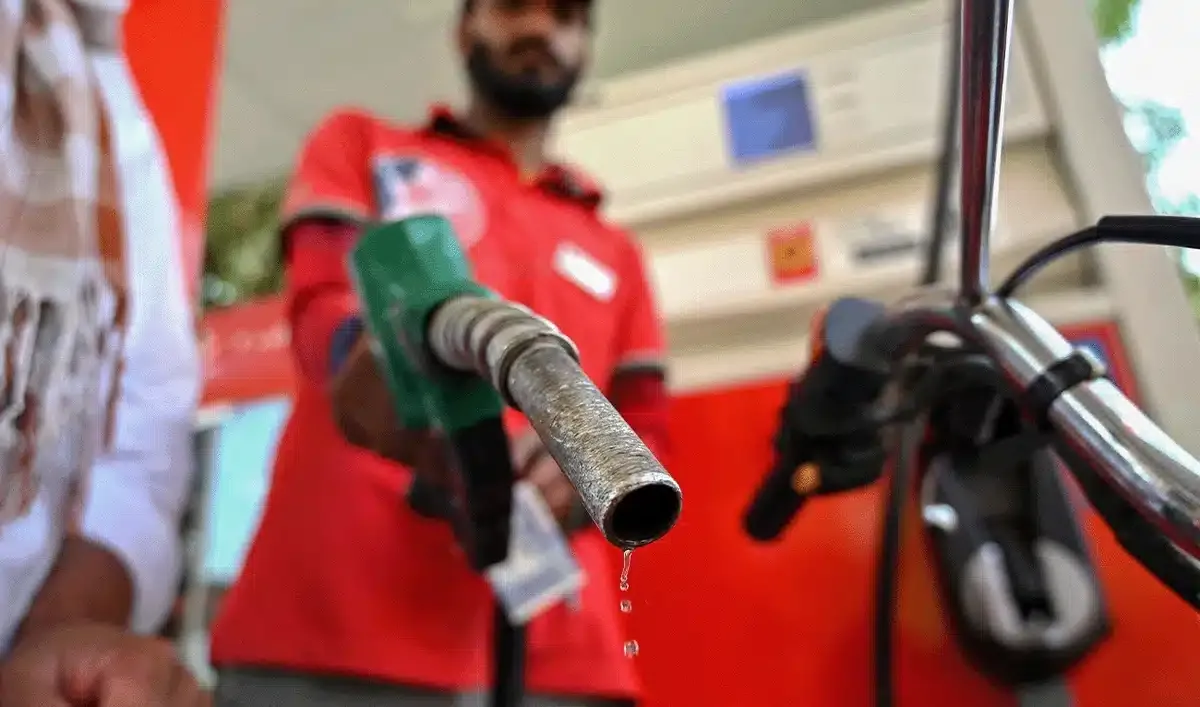
Government Announces Second Consecutive Reduction in Fuel Prices
The federal government has decided to decrease the prices of motor spirit petrol and high-speed diesel for the next 24 hours, according to the latest notification issued by the federal government. This adjustment follows a similar downward trend observed earlier in the week, bringing a temporary measure of relief to consumers who have faced volatile energy costs over the preceding months. Energy authorities continuously monitor international market benchmarks and exchange rate fluctuations to determine these periodic adjustments.
The price of petrol has been cut by Rs. 5.45 per litre to Rs. 369.06 per litre, while diesel has been made cheaper by Rs. 3.68 to Rs. 391.52 per litre. These revised figures apply immediately across distribution networks, affecting motorists, transport operators, and industrial consumers who rely heavily on refined petroleum products for daily operations.
Previous Price Adjustments and Market Trends
On Monday, the price of petrol was cut by Rs. 3.4 per litre to Rs. 374.51 per litre and diesel by Rs. 7.76 to Rs. 395.20 per litre. This sequence of back-to-back reductions marks a notable shift from the extended periods of upward price revisions that characterized previous pricing cycles. Citizens and business owners closely track these announcements, as transportation expenses directly influence the cost of essential goods, public transit, and commercial logistics.
Understanding Daily Fuel Rate Revisions
Since the beginning of the daily fuel rates update, petrol has gone up by Rs. 58.35 per litre and diesel by Rs. 68.22 per litre. The transition from fortnightly or monthly pricing models to daily updates allows authorities to pass international price movements on to domestic consumers more rapidly. While this mechanism creates frequent fluctuations, it also prevents sudden, massive price shocks that used to occur under older regulatory frameworks.
Historical Context of Petroleum Pricing
The pricing mechanism for petroleum products in the country has evolved through various administrative reforms aimed at aligning domestic retail rates with global crude oil benchmarks. Historical records show that energy prices fluctuate based on geopolitical events, supply chain disruptions, and seasonal demand shifts across major economies. Consumers have experienced both steep increases and occasional relief periods as authorities adjust duties, levies, and oil marketing company margins in response to macroeconomic pressures.
Economic Impact on Citizens and Businesses
Fuel price adjustments directly influence inflation rates, household budgets, and the operational expenses of small and medium enterprises. When diesel prices decline, freight and agricultural transport costs often ease, which can help stabilize the retail prices of food and manufactured items. Conversely, prolonged periods of high fuel expenses reduce disposable income for working families and increase overhead costs for manufacturing sectors.
What to Watch for in Future Price Updates
Market analysts and consumers monitor daily government notifications to anticipate upcoming trends in energy retail costs. Because rates are tied to international petroleum product prices and foreign exchange stability, future revisions will depend heavily on global market developments. Authorities maintain strict oversight of retail outlets to ensure that price reductions are implemented accurately and promptly at fuel stations nationwide.