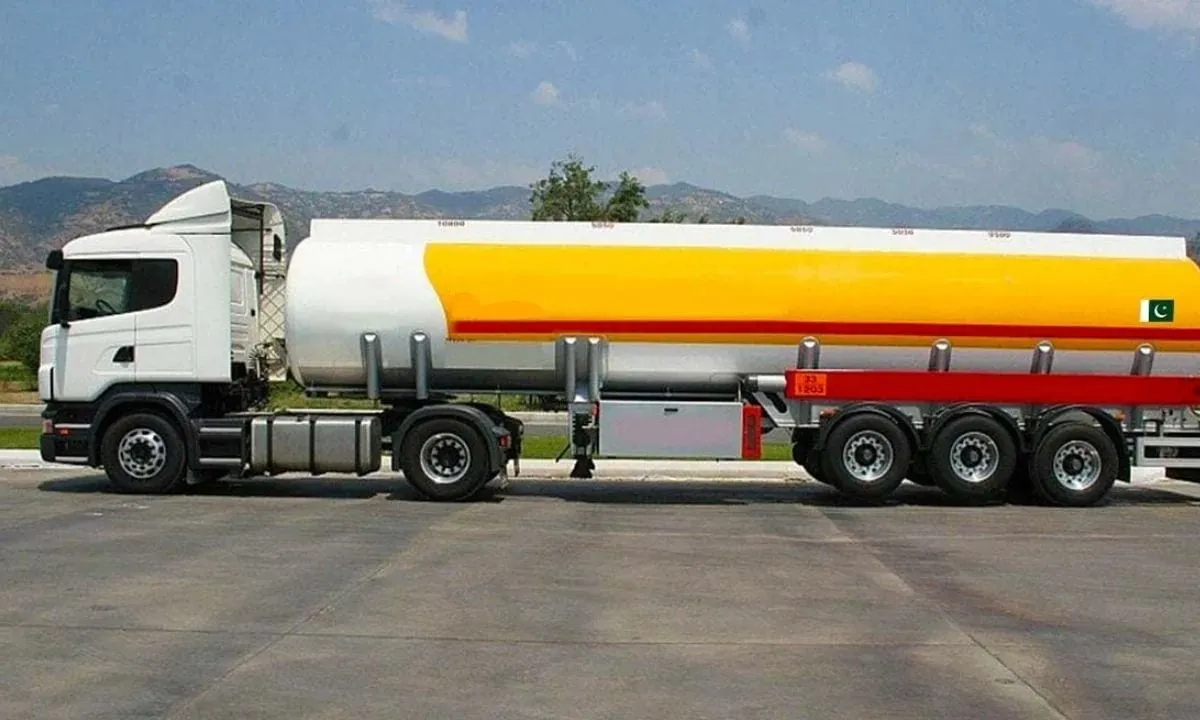
Customs Raids in Karachi Target Illegal Fuel Smuggling
Customs officials seized Iranian petrol and diesel valued at more than Rs50.05 million in two raids in Karachi, officials said. Personnel of the Collector Customs Enforcement conducted the raids near Ghani Chowrangi and Gulbai Bridge and took two tankers into custody. These operations form part of ongoing efforts by state authorities to curb the illicit trade of petroleum products entering the country through unauthorized channels.
Officals recovered 15,513 litres of Iranian petrol and 39,550 litres of diesel from the vehicles. A fake invoice of a private refinery was also found in one of the tankers during the search. The petrol, diesel and tankers together carry an aggregate value of over Rs50.05 million.
Details of the Karachi Customs Operations
The enforcement teams executed the two distinct interceptions based on intelligence reports regarding the movement of smuggled goods. By targeting the areas near Ghani Chowrangi and Gulbai Bridge, officers successfully intercepted large transport vehicles carrying the contraband. The presence of a forged private refinery invoice highlights the sophisticated methods smugglers use to bypass law enforcement and legitimize stolen or illegally imported goods.
Such operations require meticulous planning by customs intelligence units. Smugglers frequently alter transport routes and use heavy commercial vehicles to move massive quantities of fuel across provincial and city boundaries. The seizure of both the product and the transport vehicles delivers a financial blow to the network operating behind these shipments.
The Broader Challenge of Fuel Smuggling in Pakistan
Smuggling of petrol and diesel from Iran remains a law enforcement challenge for authorities and a concern for oil companies in Pakistan. The porous border regions facilitate the movement of petroleum products into local markets without the payment of standard duties, taxes, and regulatory levies. This creates an uneven playing field for legitimate businesses that operate within the legal and tax framework.
State authorities face significant logistical difficulties in monitoring every route used by illicit operators. Enforcement agencies continue to conduct periodic sweeps, intelligence-based raids, and highway checkpoints to disrupt these supply chains. Despite these measures, the price differential between legally refined domestic fuel and imported or smuggled alternatives drives a persistent underground market.
Economic Impact and Losses Reported by the Oil Industry
In a 2024 letter to the petroleum secretary, the Oil Companies Advisory Council (OCAC) said the country was losing about $35.6 million daily to the smuggling of around 4,000 tonnes of oil. The council urged the government to launch a countrywide crackdown on smugglers. These financial losses affect national tax revenues and weaken the economic stability of the energy sector.
The continuous inflow of cheaper, untaxed products depresses official sales volumes for legitimate marketing companies. Refineries and oil marketing companies report reduced throughput and lower profitability as a direct result of this illicit competition. The magnitude of the daily loss underscores the urgency with which industry stakeholders view the problem.
Calls for Regulatory Action and Stricter Legislation
It also asked the government and the Oil and Gas Regulatory Authority (OGRA) to introduce legislation against smuggling, which it said was disrupting the supply chain. Industry representatives argue that existing legal frameworks require strengthening to impose harsher penalties on convicted smugglers and facilitators. Enhanced legal powers would allow regulatory bodies to act decisively against illicit operations.
Cooperation between federal agencies, provincial administrations, and regulatory bodies remains essential for implementing these proposals. Stakeholders maintain that a unified approach is necessary to dismantle the infrastructure supporting cross-border fuel transportation. Without robust legal backing, enforcement agencies struggle to secure long-term convictions that deter future violations.
Impact on Legal Petrol and Diesel Sales
According to the OCAC, petrol and diesel sales fell 6.5 percent in the first eight months of fiscal year 2023-24 compared with the previous year. The council also demanded the closure of illegal petrol pumps and a campaign against oil smuggling. This drop in legitimate sales directly reflects the market share captured by unauthorized fuel vendors operating across various districts.
Retail outlets that pay all applicable taxes and purchase fuel through official channels find it difficult to compete with roadside vendors selling smuggled products at lower prices. The proliferation of illegal retail outlets compounds the crisis for the formal energy sector. Addressing this issue requires targeting both the transport networks bringing the fuel into major urban centers and the retail points distributing it to end users.





