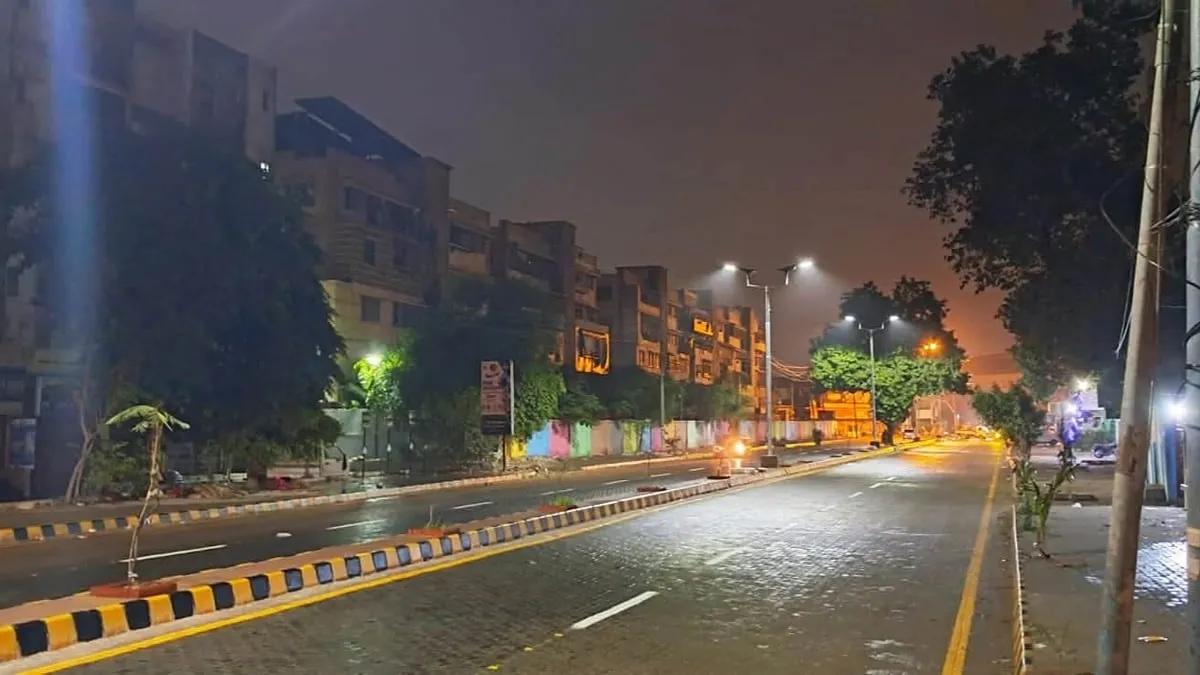
Karachi Mayor Murtaza Wahab Bans Changes and Sets New Deadlines
Karachi Mayor Murtaza Wahab has taken a firm stance on municipal infrastructure work by banning any changes to ongoing Karachi Metropolitan Corporation development projects. During a recent high-level administrative review, he ordered municipal authorities to ensure the timely completion of all active schemes across the city. This directive targets construction delays and aims to streamline public works that have faced persistent public scrutiny.
The Mayor held a detailed meeting with the Karachi Metropolitan Corporation Engineering Department to evaluate progress on critical urban corridors. These infrastructure schemes cover twenty-six major thoroughfares and one hundred forty connecting roads throughout the municipal jurisdiction. Officials presented status reports on various road repair, carpeting, and widening initiatives meant to ease commuter congestion.
Expressing deep concern over persistent delays and frequent public complaints regarding construction quality, Wahab intervened directly in the administrative process. He specifically directed Municipal Commissioner Abrar Jafar to launch a formal investigation into the performance of various contractors. The municipal commissioner must submit a comprehensive inquiry report within seven days.
Wahab issued a strict warning to all contractors working on city infrastructure against intentionally delaying projects or using substandard construction materials. He instructed them to adhere strictly to approved engineering designs and established quality benchmarks. Failure to meet these criteria will result in administrative penalties and accountability measures.
To accelerate the pace of urban renewal, the Mayor established a strict fifteen-day deadline for completing the majority of ongoing development schemes. He instructed relevant departments to clear all administrative and operational hurdles immediately to facilitate uninterrupted construction work. City engineers and administrative personnel must maintain a constant physical presence on-site to monitor contractor compliance.
Scope of KMC Infrastructure Projects Across Major Thoroughfares
The current phase of municipal engineering works represents a massive undertaking aimed at rehabilitating deteriorating urban transport routes. Transport networks form the economic backbone of the metropolis, connecting industrial zones, residential neighborhoods, and commercial centers. Maintaining these transport corridors requires constant oversight, structural reinforcement, and timely surface repairs by municipal authorities.
The ongoing development schemes focus heavily on twenty-six major thoroughfares that carry the heaviest daily traffic volumes in the city. Arterial roads connect diverse districts and handle millions of commuters, commercial transport vehicles, and public transit buses every single day. When these primary routes experience construction delays, traffic bottlenecks ripple across the entire urban transit network.
In addition to the primary arteries, the KMC engineering works encompass one hundred forty connecting roads situated within various local neighborhoods. These secondary and tertiary streets provide essential access to residential areas, local markets, and public facilities like schools and clinics. Residents living near these connecting roads have frequently voiced frustration over unfinished digging, delayed asphalt laying, and blocked access points.
Municipal infrastructure projects require careful coordination between utility providers, engineering contractors, and local government administrators. Delays often occur due to conflicting utility lines, bureaucratic red tape, or financial disagreements between the municipal corporation and private contractors. The new administrative directives aim to dismantle these operational bottlenecks before the fifteen-day deadline expires.
Addressing Contractor Accountability and Construction Quality
Quality control remains a central challenge for municipal development initiatives across major urban centers in the region. Past projects have occasionally suffered from premature road surface degradation, cracking, and water pooling due to inferior materials and inadequate base preparation. The administration intends to halt these recurring issues by enforcing strict compliance and holding private contractors fully accountable for their workmanship.
The investigation ordered by the Mayor will scrutinize contractor performance, financial expenditures, and adherence to project timelines. Municipal Commissioner Abrar Jafar leads this inquiry, with a mandate to review contracts and inspect physical sites where public funds are deployed. Contractors found responsible for unjustified delays or substandard building practices face severe administrative consequences under municipal rules.
Contractors working on public infrastructure must follow approved architectural and engineering designs without unauthorized deviations. Unauthorized modifications to road levels, drainage slopes, or material specifications often lead to long-term structural failures and increased maintenance costs. By banning changes to ongoing schemes, the municipal administration ensures that projects match the original technical parameters approved by planning experts.
Public trust in local governance depends heavily on the visible delivery of tangible public services and durable infrastructure. Citizens experience the direct impact of municipal decisions every time they commute to work, transport goods, or access essential services. Ensuring high construction standards protects public financial investments and extends the operational lifespan of urban roads.
Operational Hurdles and Administrative Next Steps
Removing administrative and operational hurdles requires proactive coordination between various municipal departments and utility agencies. Water boards, electricity providers, and telecommunication companies often need to relocate underground lines before road construction can proceed safely. Delays in inter-agency communication have historically stalled municipal engineering works for weeks or even months.
Municipal officials have been instructed to maintain daily operational logs and report progress directly to senior leadership during the fifteen-day implementation window. Field inspectors must visit active construction sites to verify that work crews are fully deployed and using appropriate machinery. If specific bureaucratic delays arise, the municipal commissioner has the authority to intervene and resolve inter-departmental conflicts swiftly.
Citizens and local businesses situated along the affected thoroughfares must navigate temporary disruptions while construction works reach completion. Local authorities have promised to expedite the remaining tasks to minimize inconvenience for daily commuters and commercial establishments. Business owners relying on steady customer access hope that the accelerated timeline will restore normal street traffic without further setbacks.
The municipal administration will evaluate the success of this fifteen-day push once the deadline lapses and the inquiry reports are submitted. Future urban development planning will incorporate lessons learned from this intensive monitoring phase to improve project execution efficiency. Residents can monitor public updates from the Karachi Metropolitan Corporation regarding road openings and completed infrastructure segments across their neighborhoods.





