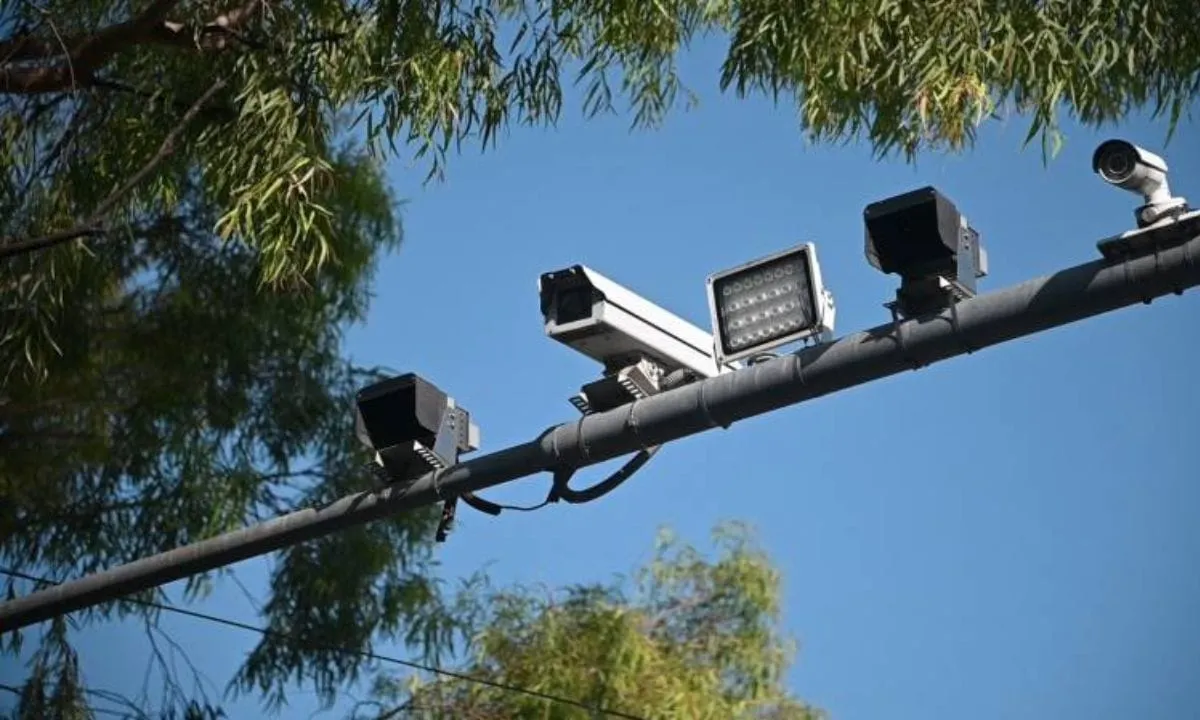
Sindh Cabinet Approves Phase-II of Karachi Safe City Project
The provincial administration of Sindh has officially cleared a substantial financial allocation to expand urban surveillance infrastructure in the country's largest financial hub. The Sindh provincial Cabinet approved Rs5.766 billion for Phase-II of the Karachi Safe City Project during a high-level administrative meeting. Alongside this funding release, government officials directed that the entire network under this phase must be fully commissioned and operational within 18 months.
This major administrative decision marks a concrete step forward in addressing long-standing security concerns across urban commercial centers and residential districts. Urban monitoring systems of this scale require meticulous logistical coordination, public fund allocation, and inter-departmental oversight. By setting a strict timeframe of 18 months, provincial leaders intend to accelerate deployment in areas requiring heightened law enforcement visibility and automated traffic monitoring.
Breakdown of the 2,300 New Cameras and Their Capabilities
Phase-II of the security initiative will introduce more than 2,300 cameras across strategic points in the metropolis. The hardware deployment is categorized into distinct operational functions designed to address general crime prevention, vehicular tracking, and roadway management.
The technological configuration of the new hardware includes:
- 870 cameras dedicated to general surveillance across designated urban sectors.
- 1,300 advanced units equipped with Automatic Number Plate Recognition (ANPR) and facial recognition capabilities.
- 80 specialized devices deployed strictly for automated traffic enforcement.
The inclusion of Automatic Number Plate Recognition and facial recognition tools represents a major shift toward digital policing methods. These technologies allow law enforcement databases to cross-reference real-time video feeds with records of stolen vehicles, suspects, and traffic violators without requiring continuous manual intervention by officers on the ground.
Long-Term Scope and Scale of the Karachi Safe City Initiative
While Phase-II adds thousands of monitoring points, the broader master plan encompasses a much wider footprint across the city. After all development phases reach completion, the overarching project will span more than 2,000 distinct locations. The final completed network will integrate nearly 10,000 cameras across the entire metropolitan area.
Scaling a surveillance network to cover thousands of locations requires reliable power supplies, secure fiber optic data transmission lines, and centralized command centers capable of processing vast streams of high-definition video data simultaneously. Technical teams must coordinate with utility providers to ensure continuous uptime for monitoring stations, especially during periods of electrical load shedding or severe weather conditions common in the coastal region.
Government-to-Government Contract Execution and Public Oversight
Addressing media representatives following the administrative meeting on Thursday, Senior Minister Sharjeel Memon provided specific details regarding how the procurement and execution are being managed. He stated that the contract is being executed strictly on a government-to-government basis rather than being awarded to any private corporate entity.
According to official documents released by the CM House press statement, the project carries a total approved cost of Rs9.406 billion. Within this financial framework, the formal contract value agreed upon with the National Radio and Telecommunication Corporation (NRTC) stands at Rs8.871 billion. The National Radio and Telecommunication Corporation operates under public sector oversight, specializing in telecommunications and electronic equipment manufacturing for state institutions.
To maintain accountability and prevent bureaucratic delays, the provincial leadership established a direct reporting line. Senior Minister Sharjeel Memon noted that the chief minister directed Home Minister Ziaul Hassan Lanjar to personally monitor implementation progress and ensure the initiative meets the strict deadline.
Impact on Urban Security and Traffic Management
The expansion of automated monitoring infrastructure directly affects daily urban life by modernizing how public spaces are managed and protected. Citizens, commercial enterprises, and transport operators stand to benefit from improved deterrence against street crime and vehicle theft. Automated traffic enforcement devices also aim to reduce congestion and penalize reckless driving practices that frequently endanger commuters on major thoroughfares.
Law enforcement agencies will use the centralized command infrastructure to coordinate emergency responses more rapidly. By relying on real-time feeds from ANPR and facial recognition units, police patrols can intercept wanted vehicles and individuals moving through monitored corridors with greater precision.
Next Steps and Implementation Timeline
With the financial allocation approved and ministerial oversight assigned, the primary focus shifts to physical installation, network integration, and testing phases. Contractors and technical specialists from the National Radio and Telecommunication Corporation must complete site surveys, mount hardware units, and link them to central processing hubs within the mandated 18-month window.
Observers and residents should watch for announcements regarding pilot testing phases in selected neighborhoods before the full network goes live. Compliance with the 18-month commissioning deadline will serve as the primary metric for evaluating the administrative efficiency of this major public sector safety investment.





