Understanding the Khyber Pakhtunkhwa Education Crisis
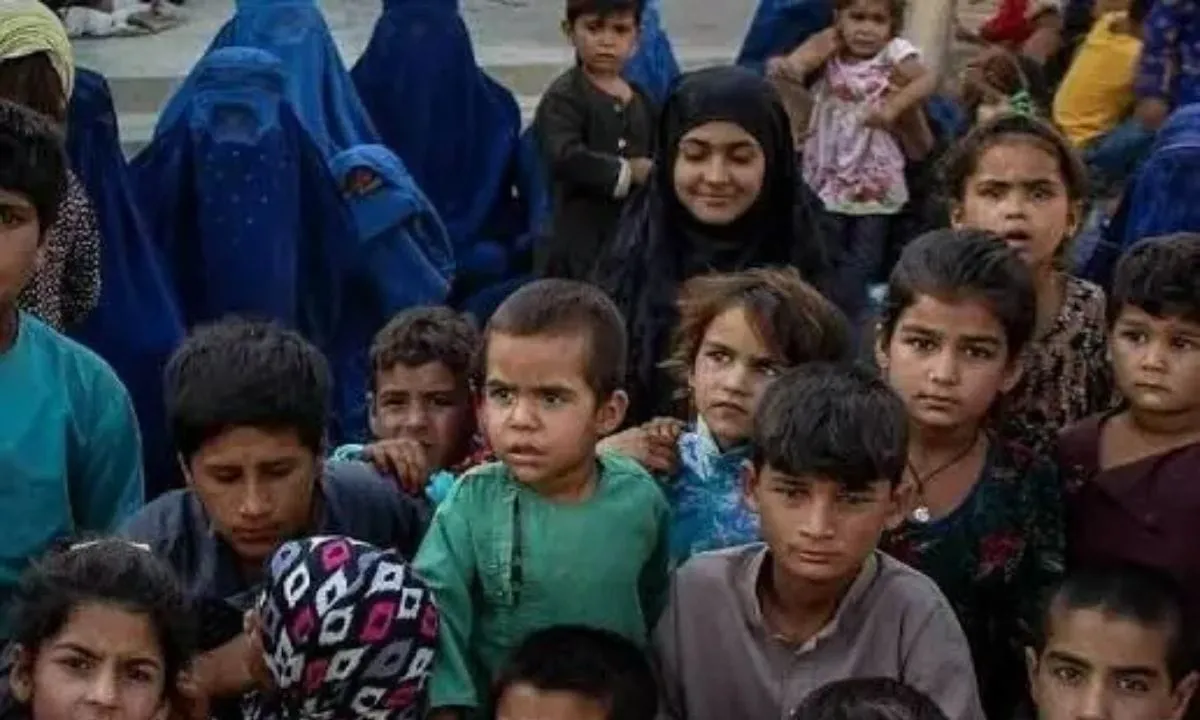
Around 4.9 million children in Khyber Pakhtunkhwa are out of school, and the provincial government has begun efforts to bring them into the education system, according to official figures. This staggering statistic places a harsh spotlight on the systemic hurdles facing the region. Educational access remains uneven, leaving millions of young minds without formal instruction or institutional support. Addressing this deficit requires a sustained overhaul of existing delivery mechanisms, funding allocations, and administrative oversight.
The scale of the crisis extends beyond sheer numbers of unrolled youths. Communities across the province encounter daily barriers that prevent families from sending children to classrooms. Economic pressures, geographic isolation, and inadequate local facilities compound the problem. Official figures outline a stark reality that demands immediate, structured intervention from policymakers and educational planners alike.
Infrastructure Deficits and Non-Functional Schools
The physical state of learning institutions across Khyber Pakhtunkhwa further limits capacity. The province has 44,747 vacant teaching positions and 562 non-functional schools. A total of 17,353 classrooms require reconstruction, while another 18,476 need major repairs. These numbers illustrate an infrastructure backlog that directly restricts student enrollment and attendance.
When schools lack functional roofs, walls, or basic utilities, communities lose confidence in the public system. Non-functional schools represent wasted capital and abandoned potential in rural and urban neighborhoods alike. Reconstructing thousands of classrooms and repairing thousands more demands substantial financial outlays and transparent project management to ensure structural integrity and timely completion.
Root Causes: Poor Planning and Political Interference
Officials said the sector was affected by poor planning and political interference under previous governments. Politically motivated appointments, transfers and administrative decisions undermined merit and institutional performance. These practices created severe bottlenecks in resource distribution, sidelined qualified educators, and demoralized the workforce.
Bureaucratic inertia and shifting political priorities historically left long-term educational strategies underfunded and poorly executed. Decisions made without regard for technical requirements or demographic needs resulted in misplaced resources and neglected facilities. Restoring integrity to the system requires dismantling these legacy practices and establishing strict adherence to professional standards.
Financial Pressures on Educators and Administrative Hurdles
Delays in monthly salary payments have also caused financial difficulties for many teachers. When educators face uncertainty regarding their compensation, classroom instruction inevitably suffers. Financial stress forces teachers to seek alternative income sources, distracting from their primary pedagogical duties and lowering overall morale.
Administrative efficiency forms the backbone of any public service delivery model. Timely salary disbursements are non-negotiable for maintaining a stable, motivated teaching corps. Fixing these administrative delays is an immediate priority for restoring trust between the education department and the thousands of professionals working on the front lines of instruction.
New Government Measures and Reform Strategies
The new provincial government has set out measures to address these problems. They include rehabilitating schools, reconstructing and renovating buildings, recruiting teachers, ensuring timely payment of salaries, and promoting merit and transparency. It also plans to establish smart classrooms and adopt modern technology in schools.
These planned interventions target the core operational failures that have plagued the sector for years. By prioritizing merit in teacher recruitment and upgrading physical environments, authorities hope to reverse decades of decline. Introducing smart classrooms indicates an intention to align public schooling with contemporary technological standards, preparing students for a digital economy.
Expanding Higher Education and Youth Opportunities
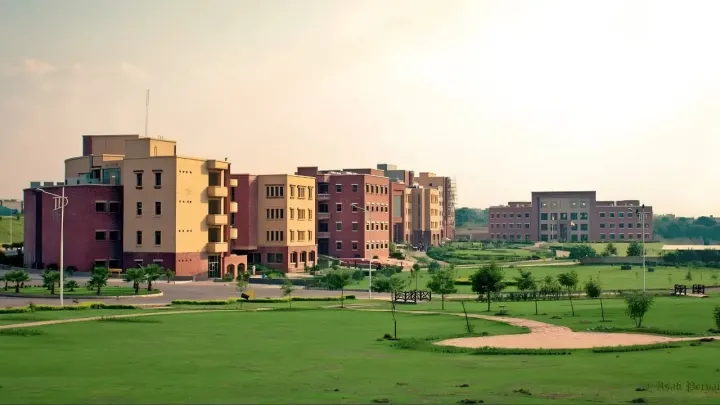
In higher education, the government is providing modern facilities to institutions and expanding opportunities for youth in information technology, technical and vocational training, and employment. Higher education institutions require continuous investment in laboratories, libraries, and digital infrastructure to remain competitive and relevant to modern labor markets.
Technical and vocational training programs bridge the gap between formal schooling and economic independence. By equipping young adults with practical skills in information technology and trades, the province can better address local unemployment rates. The government aims to give every child in the province equal access to quality education, creating a pathway from foundational learning to professional success.