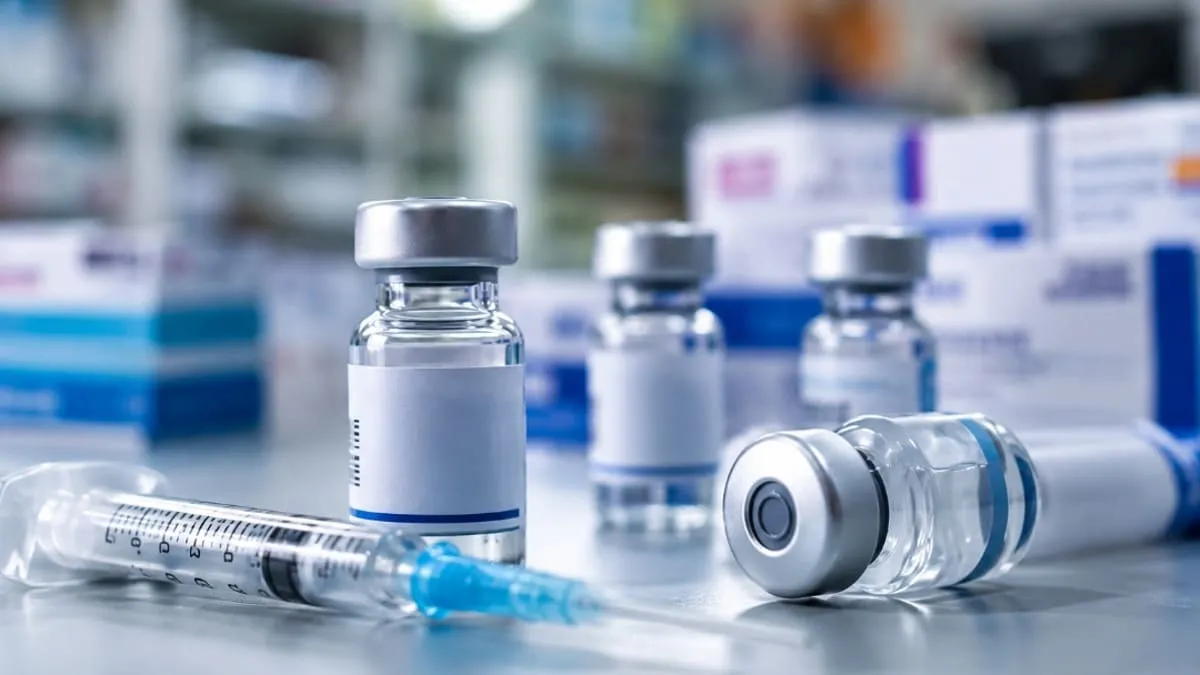
KP Launches Free HPV Vaccination Drive for Adolescent Girls
Khyber-Pakhtunkhwa begins its HPV immunization drive on Wednesday, offering a safe and effective vaccine to shield adolescent girls from the primary cause of cervical cancer. This public health initiative represents a concerted effort by regional health departments to address pressing medical concerns among youth populations through targeted prevention strategies.
The campaign runs until the 24th of this month, targeting girls aged 9 to 14 years. Health authorities have structured the timeline to ensure maximum outreach within schools and community health centers during this designated operational window.
Understanding the Human Papillomavirus and Cervical Cancer Risks
Health authorities have urged parents to ensure their daughters in this age group receive the vaccine, which protects against the human papillomavirus (HPV). Human papillomavirus is a widely prevalent infection globally, and specific strains are directly linked to the development of cervical malignancies later in life. Medical professionals emphasize that early administration of the vaccine before exposure to the virus provides the highest level of immunological defense.
Cervical cancer remains a significant health challenge for women worldwide, making primary prevention through immunization a critical public health strategy. By focusing on girls aged 9 to 14, medical programs align with international health guidelines that recommend vaccination prior to the onset of sexual activity, ensuring optimal antibody development.
How Parents Can Access the KP Vaccination Campaign
Parents seeking further information about the drive and related services can contact the Sehat Tahaffuz helpline at 1166. This dedicated helpline serves as the primary communication channel for addressing parental inquiries, verifying vaccination site locations, and providing guidance on immunization protocols.
Local health departments have mobilized medical staff across various districts in Khyber-Pakhtunkhwa to administer the doses safely. Schools and designated outreach centers are acting as distribution points to facilitate easy access for families residing in both urban and rural areas.
Public Health Background and Immunization Protocols
Immunization campaigns of this scale require extensive logistical planning, cold chain maintenance, and community mobilization. Regional health directorates coordinate closely with educational institutions to disseminate accurate information and secure parental consent for participating minors.
The introduction of the HPV vaccine into public health schedules reflects broader national and international commitments to reducing cancer burdens through preventative medicine. Public health campaigns rely heavily on community trust and clear communication to achieve high coverage rates necessary for herd immunity.
What Comes Next for the Campaign and Participants
As the drive progresses toward its conclusion on the 24th of this month, health officials will monitor uptake rates and address any logistical hurdles reported by district teams. Parents are encouraged to use the Sehat Tahaffuz helpline at 1166 promptly to confirm scheduling details before the campaign window closes.
Long-term monitoring by health authorities will evaluate the success of this age-cohort intervention in reducing future disease prevalence. Continued public awareness efforts remain essential for maintaining high participation and addressing any hesitancy among communities.





