Punjab Education Department Denies Viral Notification About Teacher Cleaning Duties
The Punjab School Education Department has dismissed a viral notification claiming that teachers have been directed to perform cleaning and sanitation duties in government schools, calling the document fake. In an official statement, the department said it had issued no such order and rejected claims circulating on social media and other unverified channels. This swift clarification aims to halt the spread of misinformation regarding staff responsibilities across public educational institutions in the region.
False documents frequently appear on digital platforms, creating confusion among educators, parents, and administrative staff. Educational authorities rely on formal communication channels to transmit instructions to school heads and district officials. When unauthorized paperwork surfaces online, it disrupts academic routines and forces government bodies to issue public corrections. The latest incident highlights the challenges institutions face in monitoring digital spaces for misleading information.
Official Clarification on Student Sanitation Restrictions
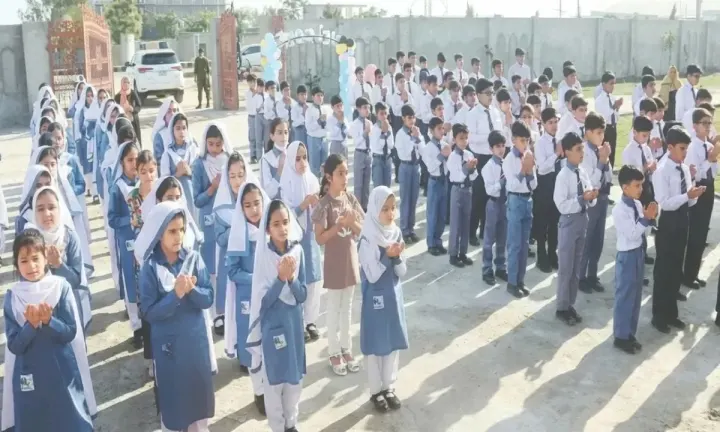
The department clarified that its actual directive strictly prohibits schools from assigning cleaning and sanitation work to students. It said students must not be asked to sweep floors, mop classrooms, collect garbage or perform any other cleaning activity that could expose them to health and safety risks. Protecting minors from hazardous tasks remains a priority for education administrators, ensuring that school environments stay focused purely on learning.
Child safety regulations in educational settings dictate strict boundaries regarding physical labor. Past concerns over students handling waste or engaging in strenuous manual chores prompted tighter oversight from regional authorities. Schools must maintain hygiene standards without compromising the well-being of enrolled children. The explicit ban reinforces existing policy frameworks designed to shield students from sanitary hazards on campus grounds.
How Government Schools Must Arrange Cleanliness and Sanitation
According to the department, school heads must arrange cleanliness through designated sanitation staff or officially approved arrangements. The department also directed education and field officers to review the availability of sanitation staff and address shortages through administrative arrangements under existing rules. Proper facility management requires dedicated personnel rather than relying on untrained individuals or minors.
Managing cleanliness in public schools involves coordination between institutional leaders and district administrators. When designated support staff shortages occur, school principals must navigate official channels to secure adequate resources. This structure ensures that sanitation work is handled professionally while keeping teaching staff dedicated to instructional duties and classroom management.
Inspections, Compliance Reports, and Disciplinary Actions
It said authorities would conduct surprise inspections and require compliance reports. Officials could also face disciplinary action under applicable rules in cases of negligence or violations. Regular monitoring acts as a deterrent against unauthorized practices and ensures that field officers enforce provincial guidelines effectively.
Accountability mechanisms within the education sector rely on routine audits and unannounced visits by supervisory staff. If local administrators fail to maintain proper sanitation protocols or bypass established staffing rules, formal penalties follow. These measures maintain order and operational integrity across government-run schools throughout the province.
Advice for Teachers, Parents, and the Public
The department urged teachers, parents and the public to ignore fake notifications and rely on official announcements issued through its verified communication channels. Misinformation regarding school policies often causes unnecessary anxiety among families who entrust their children to public institutions. Stakeholders should verify policy announcements directly through government portals before reacting to social media posts.
Community vigilance helps counter the circulation of fabricated documents. Parents and educators play an active role in maintaining institutional trust by reporting suspicious notices to relevant authorities. Staying informed through legitimate government channels ensures that schools operate smoothly without the distraction of online rumors.