Leeds vs Spurs Match Erupts in Early VAR Controversy
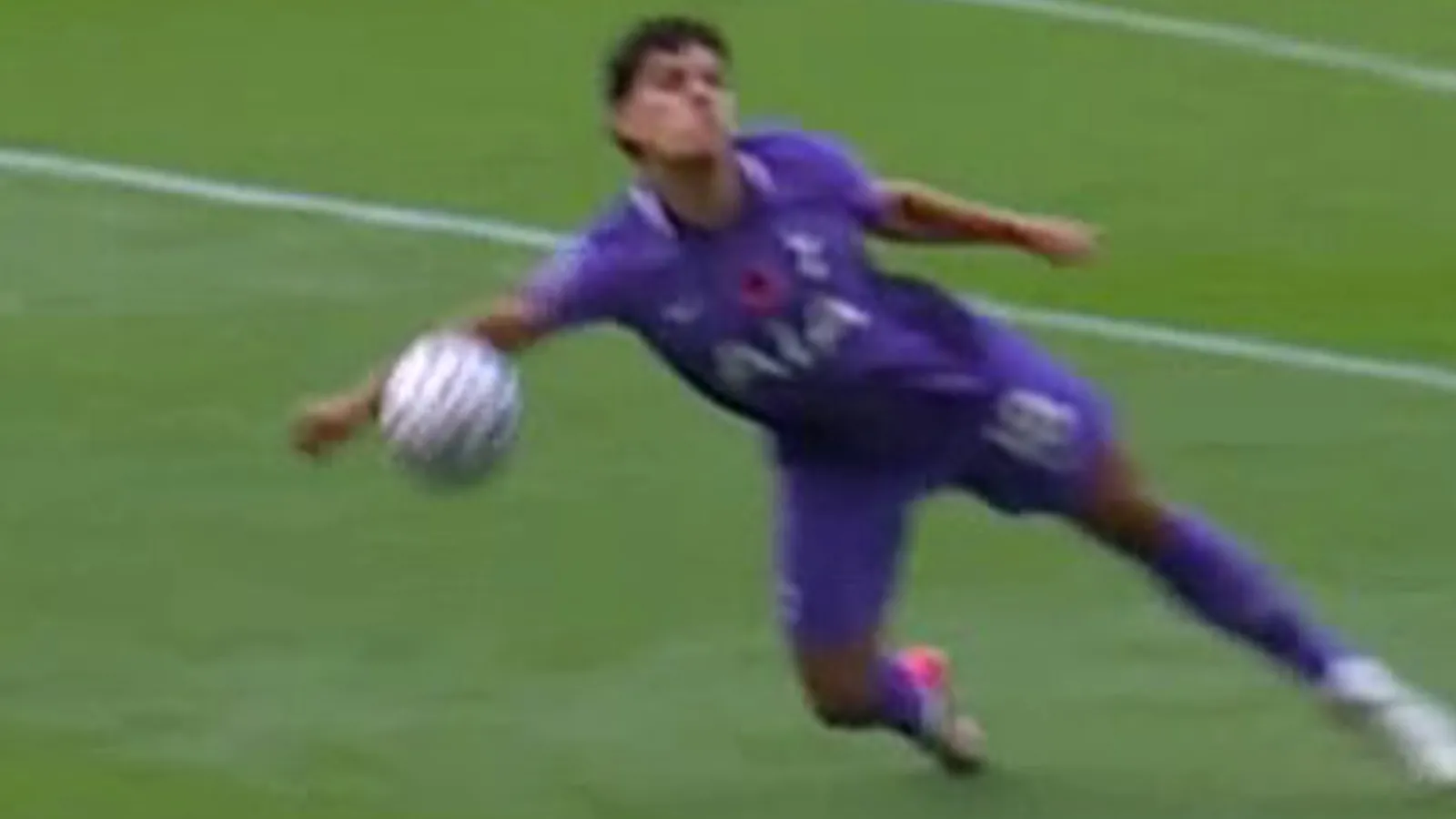
Supporters expressed intense outrage during a high-stakes fixture as Leeds were denied a strong penalty shout against Tottenham. The incident occurred just minutes into the home clash at Elland Road, instantly sparking a fierce debate regarding the consistency of officiating in the Premier League. Expensive midfielder Matheus Fernandes found himself at the center of the storm after appearing to block the ball with his upper arm inside the penalty box.
Despite the clear angle showing contact between the ball and the arm of Fernandes, on-field referee John Brooks opted against pointing to the spot. The decision immediately shifted to the Video Assistant Referee booth, where official Tony Harrington reviewed the sequence. To the astonishment of supporters and pundits alike, Harrington chose not to overturn the original decision, allowing play to continue without penalizing the visiting side.
How the Handball Incident Unfolded on the Pitch
The controversial episode transpired in the opening stages of the match while both teams fought for early dominance. Fernandes reached out as the ball traveled through a crowded penalty area, and television replays showed the projectile striking his upper arm cleanly. In modern football, such movements often draw strict scrutiny from officials tasked with monitoring unnatural arm positions that block goal-scoring opportunities or passes.
As the ball bounced away harmlessly for Tottenham, players in white shirts immediately swarmed the referee to appeal for the penalty. John Brooks waved away the protests, signalling that the play should continue while waiting for communication from Stockley Park. The brief pause allowed fans inside the stadium to witness the replays on the big screens, intensifying the hostile atmosphere as they awaited the verdict from the VAR officials.
The Role of VAR Officials Tony Harrington and John Brooks
The burden of modern refereeing often rests heavily on the shoulders of the officials in charge of both the turf and the monitor. John Brooks managed the chaotic scenes on the pitch, maintaining his stance after the initial contact occurred in a fraction of a second. Refereeing manuals instruct on-field officials to rely on their initial judgment unless a clear and obvious error takes place during the run of play.
Tony Harrington, stationed as the VAR official for the fixture, reviewed the various camera angles available to the broadcast team. The threshold for overturning a referee decision requires conclusive visual evidence that the on-field call was fundamentally incorrect. Harrington determined that the incident did not meet this high standard, leaving the initial decision intact and leaving fans to question the interpretation of the rules.
Fan Reaction and the Broader Debate Over Officiating
Spectators inside the stadium and supporters watching the broadcast voiced their frustration instantly across social media platforms. The sentiment among the crowd reflected a growing fatigue with how handball rules are applied during crucial moments of matches. Many argued that the reaching motion by Fernandes constituted a deliberate attempt to block the path of the ball, regardless of the exact point of contact on the upper arm.
The controversy highlights ongoing tensions surrounding video technology in association football. While the system was introduced to eliminate clear mistakes, subjective interpretations of handball incidents continue to divide opinion among players, managers, and fans. Each weekend brings new arguments about arm positioning, natural silhouettes, and the exact definition of a punishable offense inside the penalty area.
What This Means for the Rest of the Match and Season
Missed penalty decisions often alter the psychological momentum of a competitive fixture, forcing aggrieved teams to chase the game under a cloud of injustice. For Leeds, the early disappointment set a contentious tone for the remainder of the encounter against a formidable Tottenham squad. Players must quickly recover from such emotional setbacks to maintain focus on tactical execution.
As the season progresses, incidents of this nature invariably feed into larger discussions about referee development and technological intervention. Clubs and supporters will continue to monitor how officials interpret similar challenges in future matches. The pressure on refereeing bodies to provide clear explanations for controversial calls remains higher than ever as stakes and financial rewards continue to grow.