Senate Demands 20 Years of Oil and Gas Royalty Records in Pakistan
Pakistan's Senate Petroleum Committee has demanded 20 years of records detailing royalties paid by oil and gas exploration companies to provincial governments, raising questions about revenue transparency and whether communities in production areas are receiving their fair share. The parliamentary scrutiny highlights ongoing concerns regarding the financial accountability of energy firms operating across the country and the mechanisms used to distribute national wealth generated from natural resources.
The committee's subcommittee, chaired by Senator Jam Saifullah Dharejo, directed the Petroleum Ministry and Sindh's finance and energy departments to submit detailed payment records at its next meeting. Lawmakers aim to establish a clear picture of how much revenue has been generated, collected, and transferred to provincial treasuries over the past two decades, addressing long-standing grievances from resource-rich regions.
Senate Questions OGDCL Royalty Records and Production Data
During the recent parliamentary sessions, Senator Jam Saifullah Dharejo expressed dissatisfaction with figures provided by Oil and Gas Development Company Limited (OGDCL). The initial data covered only 10 years and failed to link royalty payments directly with production volumes. To gain a complete understanding, the committee demanded annual production and royalty records dating back to 1995, when the company began operations.
Establishing a clear link between extracted volumes and paid royalties is vital for verifying that public funds are accurately calculated. Without comprehensive historical data, lawmakers argue that it is impossible to audit the financial flows properly or confirm that exploration firms are meeting their legal obligations to the state. The demand for records starting from 1995 sets a rigorous benchmark for corporate transparency in the energy sector.
Reviewing Exemptions on Production Bonuses
The committee also questioned OGDCL's exemption from production bonuses during its inquiries. Company representatives stated that the exemption applied to certain fields developed between 1990 and 1993. However, a representative of the Directorate General of Petroleum Concessions offered a different clarification to the parliamentary body.
According to the official from the Directorate General of Petroleum Concessions, the exemption was actually limited to the Sinjhoro Block in Sanghar under a 1997 concession agreement. This discrepancy in explanations drew sharp scrutiny from senators, who are determined to close loopholes that might deny the national exchequer legitimate funds. Production bonuses represent significant financial inflows that can be directed toward public welfare.
Senator Jam Saifullah Dharejo noted that production bonuses could help finance schools, hospitals, and other public facilities in areas affected by oil and gas extraction. He stressed that local communities should benefit directly from the natural resources extracted from their regions, rather than bearing the environmental and social costs without tangible compensation.
How Royalty Payments Reach Provinces
To understand the mechanics of revenue distribution, officials explained the transfer process during the committee meeting. A Directorate General of Petroleum Concessions official told the panel that royalty payments are deposited into a federal account held at the National Bank of Pakistan. This central repository acts as the initial collection point for funds generated across various provincial jurisdictions.
Once funds are deposited, the Finance Division deducts 2 percent in collection charges before transferring the remaining provincial shares within 15 days. While this statutory framework is designed to ensure timely disbursement, senators remain focused on verifying that the underlying calculations are accurate. The official also promised a detailed review of royalty payments made over the past 15 years to address the committee concerns.
Local Employment and Gas Pipeline Issues Addressed
Beyond financial audits, the committee raised pressing local concerns regarding employment and infrastructure development. Lawmakers called for local residents to receive preference in nontechnical jobs at oil and gas exploration projects in Tando Allahyar. The committee asked the Petroleum Ministry to clarify whether existing regulations require companies to reserve a specific share of employment opportunities for local people.
In a separate development, Senator Qurat-ul-Ain Marri criticized Sui Southern Gas Company for failing to consult elected representatives about a proposed pipeline connecting 31 villages near the Gobi field. Responding to the criticism, the managing director of Sui Southern Gas Company told the committee that the project was awaiting federal funding before construction could proceed.
Crackdown on LPG Adulteration
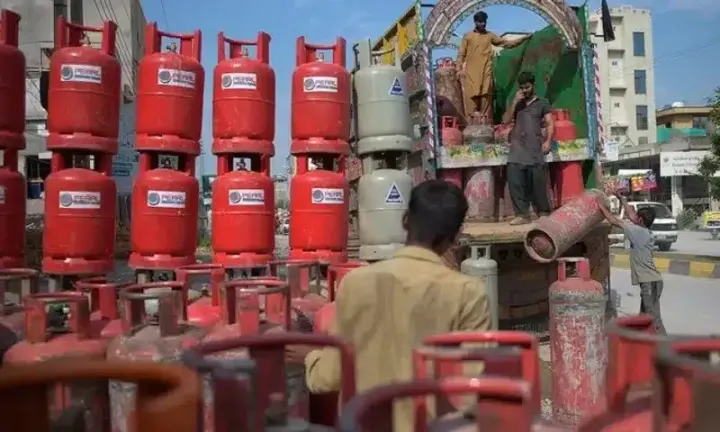
The Senate committee also received a comprehensive briefing on liquefied petroleum gas adulteration, which poses serious safety hazards to consumers. The Oil and Gas Regulatory Authority reported that a recent operation in Pano Akil uncovered illegal carbon dioxide installations. Authorities sealed these unauthorized facilities and confiscated storage tanks to curb illicit practices in the energy market.