LPG Prices Double Official Rate in Lahore Markets
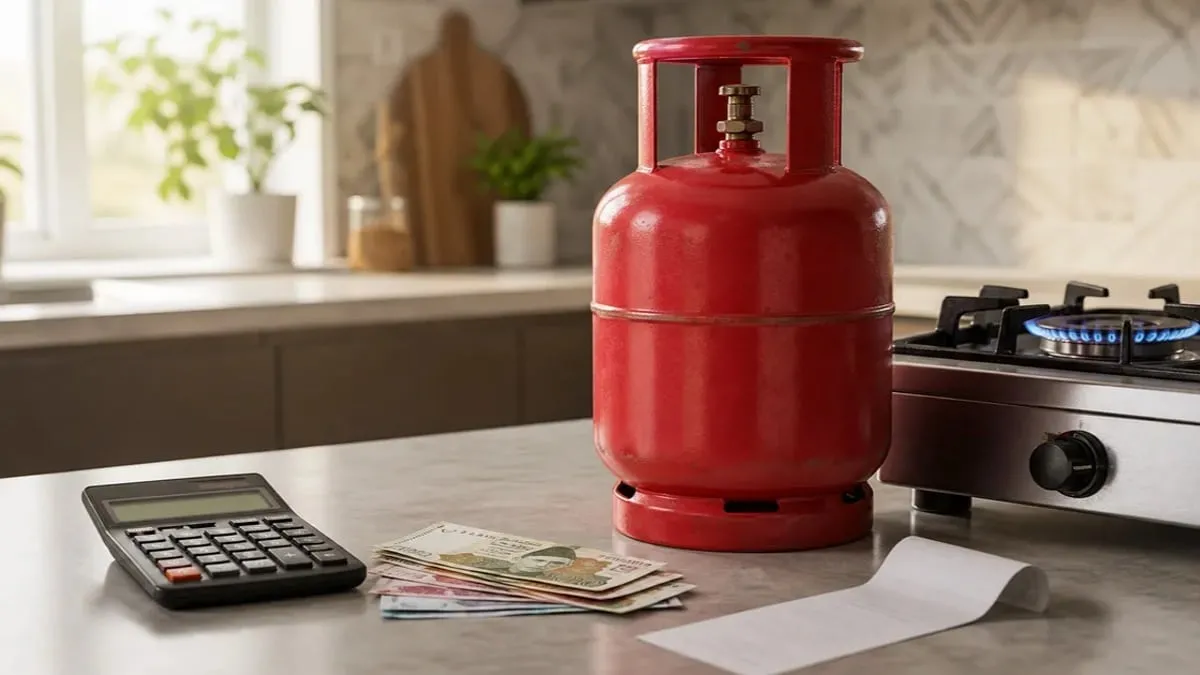
Liquefied petroleum gas is currently trading at prices ranging from Rs. 495 to Rs. 550 per kilogram across Lahore. This substantial markup places market rates significantly above the official price of Rs. 294.75 established by the Oil and Gas Regulatory Authority. Consumers and commercial operators throughout the city face severe financial strain as local vendors ignore regulated price caps.
Reports from various commercial and residential districts indicate that weak enforcement by regulatory bodies allows retailers to charge exorbitant amounts. Households that lack access to piped natural gas rely entirely on these cylinders for daily cooking and heating needs. The cost disparity creates immediate hardship for families trying to manage tight monthly budgets during an already difficult economic period.
Transport operators also absorb a heavy blow from the inflated rates. Rickshaw drivers and commercial vehicle operators who depend on this fuel for their daily livelihood report drastically reduced profit margins. Higher operating costs make it challenging for transport workers to sustain their businesses while maintaining affordable fares for everyday commuters.
Why Are LPG Prices Rising in Pakistan?
The sudden surge in market prices stems from severe supply constraints affecting the domestic distribution network. Market observers point to the closure of border crossings with Iran as a primary driver behind the reduced availability of the commodity. Imports from neighboring regions traditionally help stabilize domestic supply levels, and border disruptions quickly translate into local shortages.
Natural gas load-shedding across residential neighborhoods further amplifies the strain on available resources. When utility companies cut off piped gas supplies, more households turn to cylinders to meet their basic energy requirements. This spike in consumer demand, combined with restricted market volumes, creates an imbalance that drives retail costs upward.
Broader Economic Context and Inflation Pressures
The soaring cost of fuel arrives during a broader period of macroeconomic instability across the country. Pakistan recorded an inflation rate of 9.6 percent in October, affecting the cost of basic food items, utilities, and services. Families must navigate depreciating purchasing power while essential goods become progressively more expensive.
At the same time, the State Bank of Pakistan raised its policy rate to 12 percent in an effort to cool economic activity and control price increases. Higher borrowing costs ripple through businesses and financial markets, compounding the financial pressures already experienced by low-income workers and ordinary citizens.
The Role of the Oil and Gas Regulatory Authority
The Oil and Gas Regulatory Authority holds the legal responsibility for determining and notifying official monthly prices for liquefied petroleum gas. These regulated rates aim to protect consumers from price gouging and ensure fair access to essential energy supplies. However, market realities in Lahore demonstrate a persistent gap between regulatory decrees and actual street prices.
Industry participants note that official price notifications often fail to account for transportation expenses, local distribution hurdles, and sudden import fluctuations. When regulated prices sit below market-clearing levels during a supply crunch, retailers frequently create black markets or simply ignore the guidelines. Effective enforcement requires coordinated inspections and penalties, yet consumers currently report little relief from oversight bodies.
Impact on Households and Commercial Transport
The direct impact of doubled fuel prices falls heavily on two distinct groups: domestic households and transport workers. Urban families without access to municipal gas pipelines have very few alternatives for cooking and heating. Absorbing a nearly hundred percent increase in fuel costs forces difficult compromises on household spending, often cutting into budgets for food, education, and healthcare.
For commercial operators, particularly rickshaw drivers navigating urban traffic, the high cost of fuel threatens daily survival. Vehicle modifications to run on cylinders offer a cheaper alternative to gasoline, but when the fuel itself doubles in price, the economic advantage disappears. Drivers must choose between raising fares or absorbing losses that make working economically unviable.