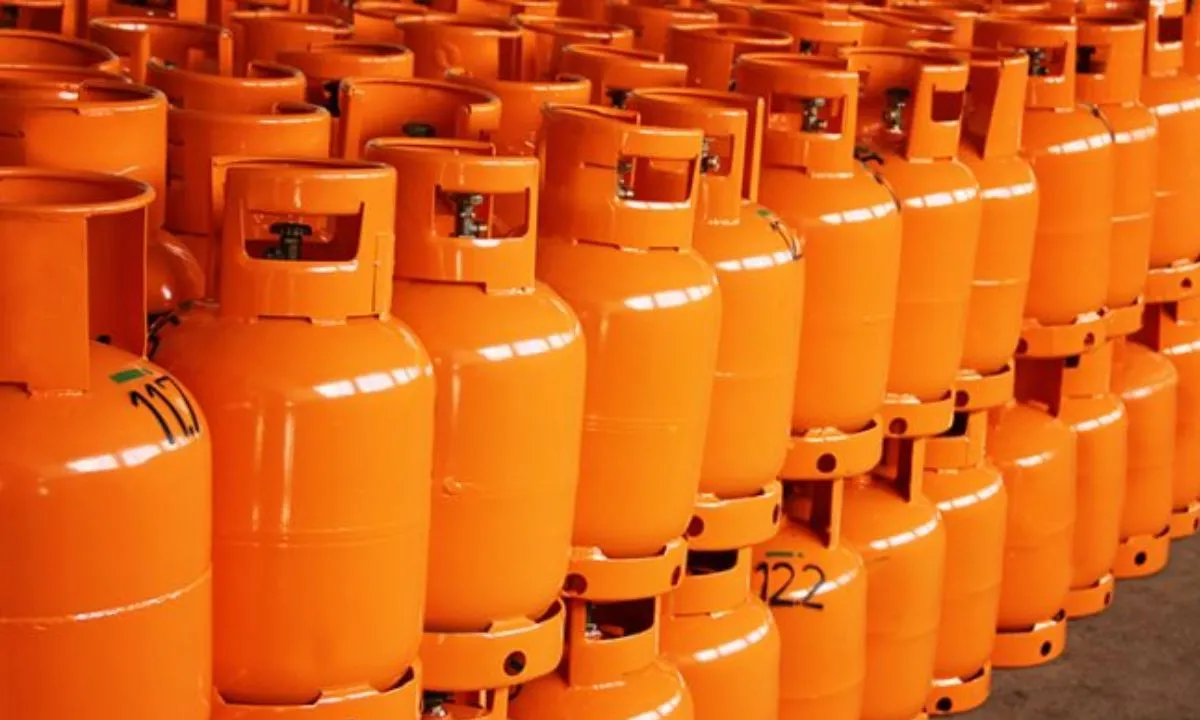
LPG prices have climbed to Rs. 500-550 per kilogram in Pakistan's open market, nearly double the government-notified rate of Rs. 294 per kilogram, putting additional pressure on household budgets.
Why the Price Gap Matters
The gap between the official price of Rs. 294 per kilogram and the market price of up to Rs. 550 means families are paying up to 87% more for the same fuel. For a typical household that uses 10 kg of LPG per month, the extra cost can exceed Rs. 2,500, a sum that many low-income families cannot absorb.
What Is Causing the Surge?
Two interrelated factors are driving the surge. First, gas load-shedding and low pressure in the state-run Sui gas network have reduced the reliability of pipeline gas, forcing more households to turn to bottled LPG. Second, the open market has responded to the higher demand with price hikes, while the government-notified price remains unchanged.
Load-Shedding of Pipeline Gas
Since early 2024, Pakistan has experienced intermittent reductions in pressure from the Sui gas fields, which supply the majority of residential natural gas. Technical faults, maintenance backlogs, and seasonal demand spikes have all contributed to lower pressure, prompting the government to issue temporary load-shedding notices for certain districts.
Supply-Demand Imbalance for LPG
When pipeline gas becomes unreliable, households that cannot afford electric or solar alternatives switch to LPG cylinders. Importers and distributors, facing tighter inventories, raise prices to manage the surge in demand. The open market price of Rs. 500-550 reflects this market-driven adjustment.
How the Market Is Responding
Shopkeepers report that they are also buying LPG at higher wholesale rates and passing the cost on to consumers with only a narrow profit margin. Some retailers have limited stock to avoid holding expensive inventory, which further tightens supply.
Consumers have taken to social media and local consumer-rights groups to demand that authorities intervene against overcharging. They argue that the official price of Rs. 294 per kilogram should be enforced across the board, not just on paper.
Impact on Low-Income Households
Low-income families, who already allocate a large share of their income to food and energy, are hit hardest. With unreliable pipeline gas, they have few alternatives besides buying expensive LPG or resorting to unsafe cooking methods such as open firewood.
According to a recent survey by the Pakistan Bureau of Statistics, households in the bottom income quintile spend an average of 8% of their monthly income on cooking fuel. The current price spike could push that figure above 14%, forcing families to cut back on other essentials.
Government Regulation and Enforcement
The government sets a notified price for LPG that retailers are legally required to follow. The current notified price of Rs. 294 per kilogram was announced in February 2024 as part of a broader effort to keep cooking fuel affordable.
Enforcement of the notified price falls to the Ministry of Energy and the provincial food-and-drugs authorities. However, officials acknowledge that monitoring the open market is challenging because many transactions occur in informal settings, and penalties for non-compliance are rarely applied.
Legal Framework
The Price Control and Prevention of Profiteering Act of 2020 gives authorities the power to inspect LPG retailers, freeze prices, and impose fines up to Rs. 5 million for violations. The act also allows for temporary price caps during emergencies, but it requires a formal declaration that has not yet been issued for the current situation.
What Consumers Can Do Now
Consumers are advised to keep receipts, compare prices across multiple vendors, and report overcharging to the nearest district consumer-protection office. Some community groups are organizing bulk purchases to negotiate better rates from wholesalers.
In areas where LPG is unavailable at the notified price, households may consider using dual-fuel stoves that can run on both LPG and small-diameter natural gas, though such equipment is not yet widespread.
What Comes Next?
Authorities have not announced a new price ceiling, but the Ministry of Energy has indicated that it will review the situation within the next two weeks. Analysts expect that if load-shedding of pipeline gas persists, the government may be forced to either raise the notified price or implement stricter enforcement mechanisms.
Stakeholders are watching for a possible emergency ordinance that could temporarily align market prices with the notified rate, as was done during the 2022 winter fuel crisis. Until then, the price gap is likely to remain, and households will continue to feel the financial strain.
Long-Term Outlook for Pakistan's Cooking Fuel Market
Pakistan's energy policy aims to increase the share of renewable and domestic gas sources, but progress has been slow. The country imports most of its LPG, making it vulnerable to global price fluctuations and exchange-rate pressures.
Investments in expanding the Sui gas transmission network and improving pipeline maintenance could reduce reliance on LPG in the future. In the meantime, the current price surge underscores the need for a more robust regulatory framework and better consumer protection mechanisms.