Federal Minister Orders Early Completion of Lowari Tunnel and Chitral Highway
Federal Minister for Communications Abdul Aleem Khan on Tuesday ordered the early completion of remaining works on the Lowari Tunnel and Chitral Highway projects to benefit the local community and boost tourism. The directives aim to accelerate infrastructure development in a mountainous region that has historically faced severe connectivity challenges, particularly during harsh winter months when snowfall cuts off local populations from the rest of the country.
During a high-level visit to the region, the minister inspected ongoing engineering works, evaluated safety protocols, and reviewed public connectivity challenges on the ground. The inspection tour is part of a broader federal initiative to ensure that major transport arteries are finished without delay, allowing regional economies to tap into untapped tourism potential and improve the daily lives of residents.
Inspecting the Countrys Largest Tunnel Project
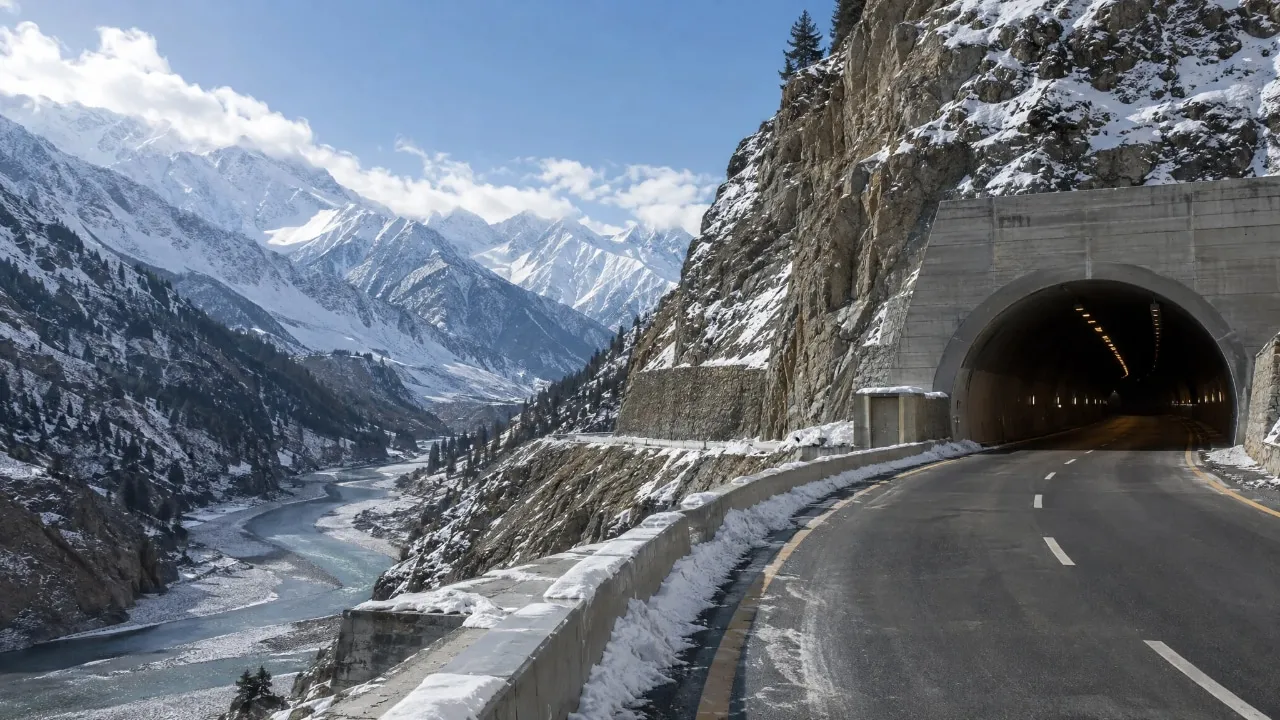
On the first day of the visit, Abdul Aleem Khan reached the Lowari Tunnel, the country's largest tunnel, spanning over 10 kilometers with two tubes, where he inspected both the interior and surrounding areas of the facility. The sheer scale of the engineering feat makes it a critical lifeline for the district, serving as all-weather passage through the formidable Hindu Kush mountain range.
The infrastructure project consists of dual tubes designed to handle continuous vehicular traffic, bypassing treacherous mountain passes that were previously prone to blockages, avalanches, and prolonged closures. Engineers and local administrators briefed the minister on the technical aspects of the remaining electrical, mechanical, and finishing works required to bring the facility to full operational capacity.
Boosting Tourism and Regional Economic Growth
The primary impetus behind accelerating these transport projects is the immense economic potential of the local tourism sector. Improved roads and reliable tunnel access mean that travelers can visit scenic mountain valleys with greater safety and shorter transit times, transforming the economic landscape for hoteliers, transport operators, and small businesses.
Local communities stand to gain significantly from reduced travel times and lower freight costs for essential goods, perishables, and construction materials. Better connectivity integrates remote mountain populations into the national market, fostering commerce, employment opportunities, and sustained regional development over the long term.
Addressing Safety Measures and Connectivity Challenges
Safety remains a paramount concern for federal authorities overseeing deep underground infrastructure and high-altitude highways. During his inspection, the minister reviewed ventilation systems, emergency response protocols, lighting, and fire safety installations inside the dual tubes of the Lowari Tunnel.
Engineers addressed specific public connectivity challenges, including landslide-prone stretches along the approaches to the highway and tunnel portals. The government plans to implement robust slope stabilization techniques and install early warning systems to protect commuters from falling rocks and seasonal hazards.
Next Steps for Infrastructure Development
With ministerial directives now issued, project contractors and National Highway Authority officials face strict timelines to wrap up lingering construction tasks. Monitoring teams will track progress on a weekly basis to ensure that the workforce meets the newly established deadlines without compromising engineering standards.
Residents and business owners in the region should watch for announcements regarding final asphalt laying, trial traffic runs, and official inauguration dates as work enters its concluding phase. The successful finalisation of these transport corridors marks a major milestone in national infrastructure planning.