MDCAT 2026 Results Validated for University Admissions
The Standing Committee on National Health Services directed that MDCAT 2026 results remain valid, allowing medical and dental universities to proceed with admissions without further delays. This decision clears the path for thousands of aspiring doctors who completed the rigorous testing process and awaited official clearance to begin their higher education journeys. University administrators can now finalize their incoming cohorts, ensuring that the academic calendar remains on track for the upcoming sessions without administrative bottlenecks holding back qualified applicants.
The decision was made during a committee meeting chaired by Dr. Mahesh Kumar Malani at Parliament House on November 11. Vice chancellors of the universities that conducted the examination informed members that no major irregularities or serious issues affecting the credibility of MDCAT 2026 had been reported. Most complaints concerned question papers and answer keys and had been addressed by the respective universities.
Evaluation of Examination Centers and Credibility
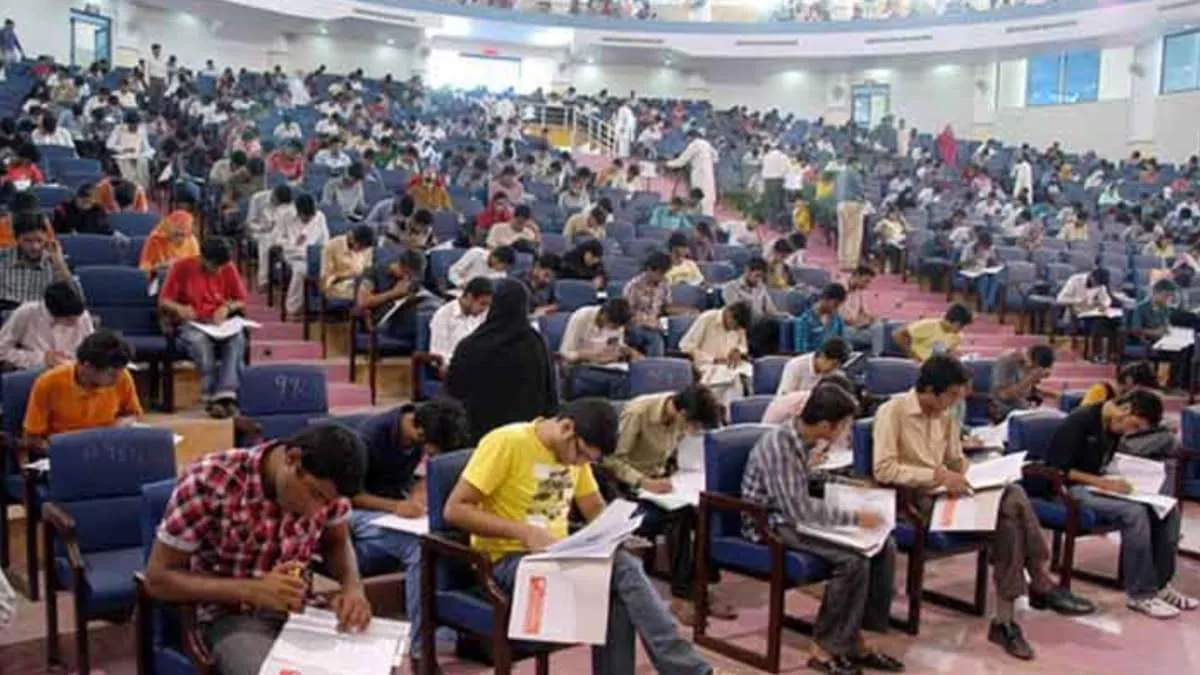
Maintaining the integrity of national medical entrance examinations requires rigorous oversight from regulatory bodies and educational institutions alike. During the parliamentary session, officials scrutinized operational aspects of the testing sites to guarantee fairness for every candidate. Vice chancellors presented detailed accounts of how minor discrepancies regarding test materials were resolved swiftly by individual testing authorities before they could escalate into broader controversies.
The committee also reviewed findings from a six-member Pakistan Medical and Dental Council team that visited the Sukkur IBA examination centre. The team reportedly found no serious irregularity. Based on these briefings, the committee called for the results to stand and urged universities to begin their admission processes without unnecessary delays.
Shift to One-Year Validity for Future MDCAT Scores
A significant policy shift emerged during the discussions regarding the operational lifespan of entrance test scores. Historically, test scores carried extended validity periods, but parliamentary authorities identified structural inefficiencies caused by long retention windows. Officials believe that shortening this period will streamline enrollment cycles and encourage immediate academic progression among successful candidates.
However, the committee directed the Ministry to reduce the validity of MDCAT results from three years to one year, starting from the next academic year. The move is intended to help address vacant seats in medical and dental colleges. The minister agreed to the direction, and the ministry was asked to formally notify all conducting universities.
Enhancing Transparency in Future Examinations
Transparency remains a cornerstone of public trust in national educational assessments. Past grievances often stemmed from restricted access to test booklets, which prevented students from verifying their performance independently. Lawmakers emphasized that open access to assessment materials will minimize disputes and build greater confidence in the evaluation apparatus.
The committee also stressed that students should be given access to question papers after future examinations to improve transparency and help resolve genuine complaints.
Scrutiny of Private Medical College Fee Structures
Affordability and financial regulation within private medical education formed a major part of the parliamentary agenda. Members raised concerns about excessive fees charged by private medical colleges. PM&DC informed the committee that the minimum fee cap was Rs. 1.8 million, while fee increases had been approved for 35 institutions based on audit reports. The enhanced fee reached Rs. 2.1 million at a few institutions with council approval.
The committee sought a complete list of colleges granted fee increases, supporting audit reports and relevant court orders. It also directed PM&DC to identify institutions charging above the approved limits and take action, including imposing maximum penalties where applicable.
Additional Healthcare and Institutional Matters Discussed
Beyond entrance testing and tuition fees, the parliamentary body addressed several broader public health and administrative initiatives. Other matters discussed included progress on recommendations following the PIMS Mother and Child Hospital nursery fire, the expansion of Polyclinic Hospital, the operationalisation of the Islamabad Healthcare Regulatory Authority and the draft Pharmacy Council Bill. The committee also decided to invite the Federal Board of Revenue to its next meeting to discuss concerns raised by doctors in private practice.