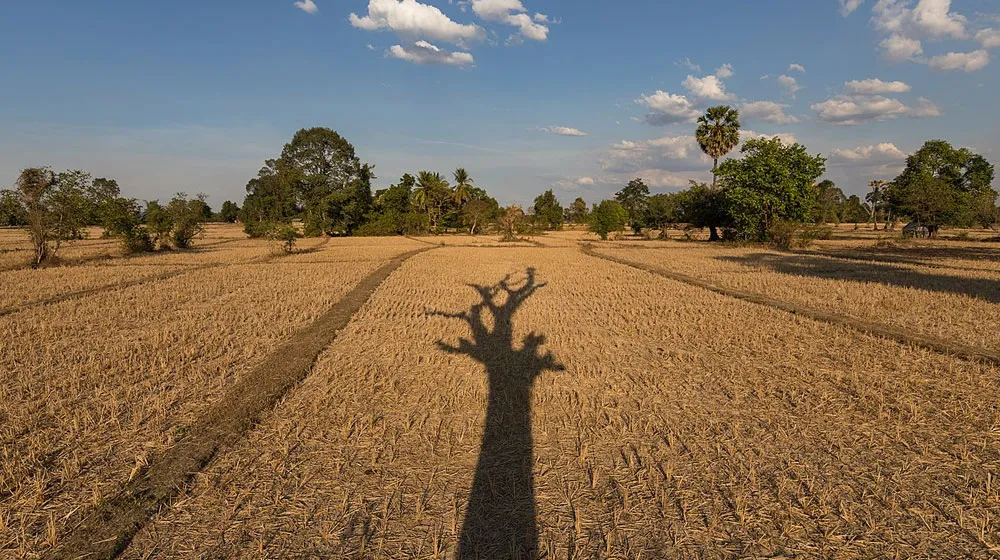
The Meteorological Department has forecast dry weather for most parts of the country.
According to the Met Office, northern areas are likely to experience partly cloudy skies, with cold weather during the morning and night.
Light rain is possible at a few places in upper Khyber Pakhtunkhwa and Gilgit-Baltistan at night, while light snowfall may occur on the mountains.
Chitral, Dir, Swat, Kohistan and Kurram are likely to see partly cloudy skies along with light rain. Islamabad and its surroundings will remain dry, and most districts of Punjab are also expected to experience dry weather.
Murree, Galyat and their surroundings are likely to have partly cloudy skies with cold weather during the morning and night.
What Does the Met Office Forecast Mean for Different Regions?
The forecast divides Pakistan into three broad weather zones for the coming period. The first zone, most of Punjab, the capital region of Islamabad, and the lower plains, will stay dry with clear to partly cloudy skies. The second zone, northern districts such as Chitral, Dir, Swat, Kohistan and Kurram, will see partly cloudy conditions with a chance of light rain, especially after sunset.
The third zone covers the high mountain ranges of Gilgit-Baltistan and the upper reaches of Khyber Pakhtunkhwa. Here, the Met Office expects occasional light snowfall on the peaks and isolated showers in valleys during the night.
Why Is the Forecast Important for Agriculture and Daily Life?
Dry weather across Punjab and the central belt can have mixed effects. Crops that depend on regular rainfall, such as wheat and maize, may require supplemental irrigation to maintain yields. On the other hand, farmers who have recently harvested rain-fed crops may welcome the dry spell as it reduces the risk of fungal diseases.
In the northern hill districts, the possibility of light rain and snow can affect transportation. Roads linking Chitral, Dir and Swat to the rest of the country are prone to landslides when moisture accumulates on steep slopes. A brief night-time shower may increase the likelihood of minor road closures, especially on the N-45 and N-35 highways.
How the Met Office Generates Its Forecasts
The Meteorological Department relies on a network of ground stations, satellite imagery, and numerical weather prediction models such as the Global Forecast System (GFS) and the European Centre for Medium-Range Weather Forecasts (ECMWF). Data from stations in Islamabad, Lahore, Peshawar, and remote locations like Skardu are fed into these models, which then simulate atmospheric conditions up to 10 days ahead.
For this particular forecast, the Met Office highlighted a high-pressure ridge over the Indian subcontinent that is suppressing convective activity. The ridge forces air to descend, warming it and inhibiting cloud formation, which explains the widespread dry spell. In contrast, a weak low-pressure trough drifting northward across the Himalayas introduces enough moisture to trigger isolated showers and snow at higher elevations.
Impact on Urban Areas and Tourism
Islamabad and its surrounding districts will remain dry, which is welcome news for commuters and outdoor events scheduled for the weekend. The capital's parks, such as Fatima Jinnah Park and Daman-e-Koh, are expected to stay clear, allowing families to enjoy picnics without the inconvenience of rain.
Tourist destinations in the Murree and Galyat hills will see partly cloudy skies with cold mornings and evenings. While the lack of heavy rain reduces the risk of flash floods in the valleys, the cooler temperatures may require visitors to dress in layers. Hotels and local businesses are advised to keep heating facilities operational and to monitor any sudden temperature drops that could affect power supply.
What Residents Should Do Next
People living in the dry zones should check irrigation schedules and consider water-conserving practices if reservoirs are low. Farmers can consult the Agriculture Extension Service for guidance on supplemental watering and crop protection.
Residents of the northern districts should stay updated on local weather alerts, especially after nightfall when light rain or snow is most likely. Carrying a waterproof jacket and checking road conditions before traveling is recommended.
Urban dwellers in Islamabad and Punjab can plan outdoor activities with confidence, but should still keep an eye on any sudden changes, as weather patterns can shift quickly in the subcontinent.
What to Watch for in the Coming Days
The Met Office will release a new set of forecasts every twelve hours. Key indicators to monitor include the movement of the high-pressure ridge and any strengthening of the northern trough. If the trough deepens, more widespread precipitation could develop in the north, potentially extending into the central plains.
Authorities from the National Disaster Management Authority (NDMA) have reminded the public that even light rain in mountainous regions can trigger landslides. Communities near vulnerable slopes should keep emergency kits ready and stay in contact with local officials.
In summary, the current forecast points to a largely dry spell across most of Pakistan, with isolated rain and snow confined to higher altitudes. The situation underscores the importance of regional preparedness, especially for agriculture, transport and tourism sectors that are sensitive to short-term weather fluctuations.