Meta Launches Direct Standalone Messaging App for Teens
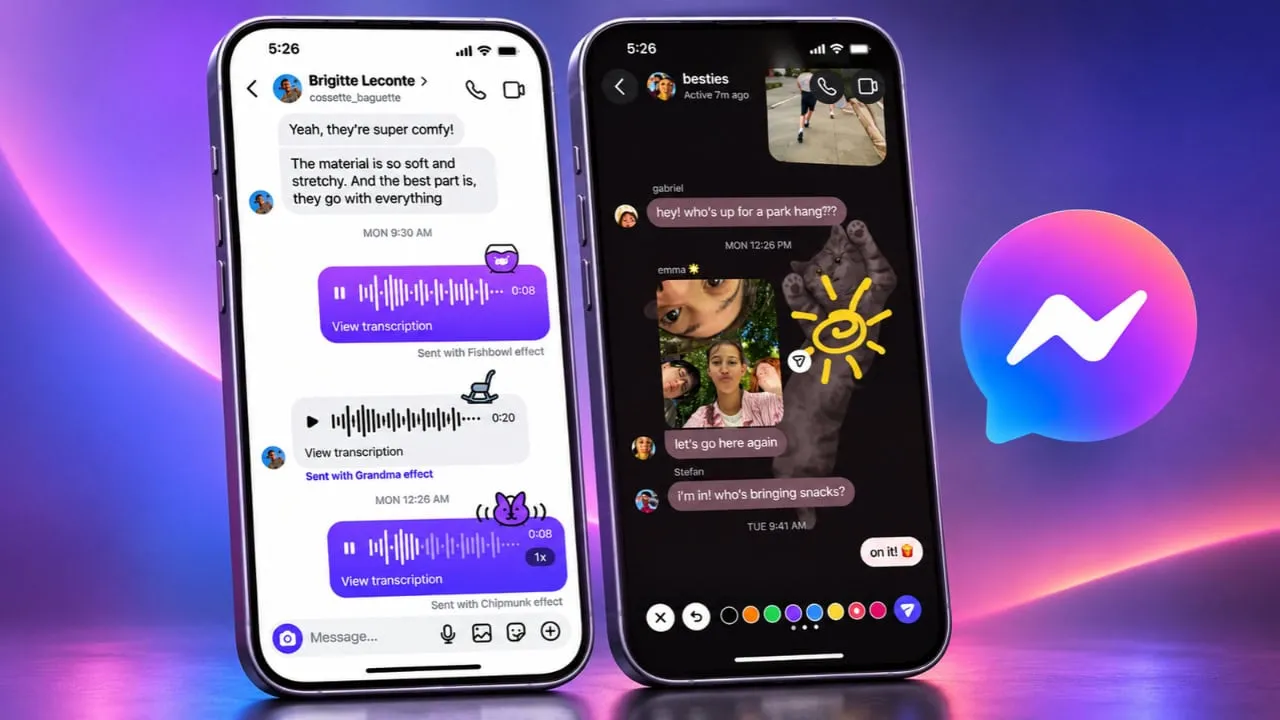
Meta launched Direct, a standalone messaging app for teens that pulls Instagram DMs into a separate platform. The app targets younger users with drawing tools, stickers, voice effects, and inbox notes ported from Instagram. Testing began in Turkey and Thailand.
This initiative represents a fresh push by the technology giant to capture the attention of younger audiences through dedicated communication channels. By separating direct messaging from the main Instagram feed, the company aims to provide a focused environment for peer interaction. The initial rollout is limited to two specific international markets to gauge user engagement and technical performance.
Understanding the architecture of this release requires looking at how modern digital communication platforms operate. Standalone applications allow companies to test features without altering the core experience of flagship products. For younger demographics, having a dedicated space for messaging separate from public feeds changes how they interact with digital content daily.
The introduction of this software follows years of shifting preferences among younger users regarding online privacy and communication methods. Companies constantly adapt their product portfolios to match the ways adolescents prefer to talk to their friends. Separating direct messages from social feeds reflects a broader industry trend toward specialized utility applications.
Why Meta Is Trying a Messaging App for Teens Again
This is not Meta's first attempt at this idea. In 2017, the company launched a nearly identical app also called Direct. That version focused on the same fun DM interactions with drawing and effects. It failed to gain traction and was eventually shut down. So why try again now? Two factors changed.
Market conditions shift over time, creating new openings for products that previously struggled to find an audience. Technology adoption rates among adolescents evolve alongside changes in smartphone capabilities and internet access speeds. The previous iteration laid the groundwork for technical features that now run with greater stability and speed.
Corporate strategy often involves revisiting past concepts when external circumstances align more favorably with the original business goals. The underlying demand for creative communication tools among younger demographics remains high. By updating the interface and aligning the launch with current market dynamics, the company hopes to secure a different outcome this time.
The persistence behind this product line highlights the value placed on securing younger audiences early. Establishing brand loyalty during adolescence helps companies retain users as they grow into adults with greater purchasing power. Reintroducing the concept allows management to test whether consumer habits have shifted enough to support a dedicated messaging platform.
How Declining Competitor Metrics Created an Opening
First, Snapchat is weakening. The app's daily active user counts declined in both the US and Europe throughout 2026. User growth stalled in its two most valuable markets. With Snapchat losing its grip on teen messaging, Meta sees a gap worth filling.
Competitor vulnerability offers a clear window for rival firms to introduce alternative services and capture displaced traffic. When established market leaders experience stagnation, consumer attention becomes fluid and open to new offerings. Industry analysts watch these shifts closely to understand how market share redistributes among major technology firms.
Adolescents frequently migrate between different applications based on peer influence and feature updates. A decline in daily active users indicates that younger audiences may be searching for alternative platforms to fulfill their social communication needs. Capturing this displaced demographic requires having a ready alternative that replicates familiar interactive elements.
The financial implications of shifting user bases are substantial for firms operating in the digital advertising and communication sectors. Maintaining dominance among younger cohorts requires constant vigilance against agile competitors and changing consumer tastes. Observing stagnation in major rival products provides the strategic justification needed to deploy new software tests.
The Impact of Teen Social Media Bans on Messaging Apps
Second, teen social media bans are spreading. Turkey enacted restrictions on social media for users under 15 starting November 1. However, messaging apps fall outside those restrictions. Meta launched Direct's first test in Turkey specifically to capture teens who lose access to Snapchat and other social platforms under the new law. Thailand is also considering similar restrictions, which explains the second test market.
Legislative actions targeting digital platforms create complex operational challenges for technology companies worldwide. Governments increasingly scrutinize the impact of algorithmic feeds and public social media on adolescent mental health and development. These regulatory measures force software developers to rethink how their products deliver content to minors.
Exemptions for pure communication tools stem from the legal distinction between public broadcasting and private correspondence. Lawmakers recognize that text messaging between known peers serves a different social function than infinite scroll feeds of algorithmic content. This distinction opens a viable pathway for messaging-only applications to operate legally where broader social platforms face strict limitations.
Compliance strategies require careful navigation of local statutes and enforcement mechanisms in every country where technology firms operate. Adapting product offerings to fit within legal boundaries ensures continued service delivery without violating regional laws. Monitoring legislative debates helps corporations anticipate where future restrictions might emerge.
Strategic Advantages and Regulatory Questions for Meta
The strategy is straightforward. When countries ban teens from social feeds, a standalone messaging app survives because legislators treat messaging differently from content-driven social media. By offering Direct as an alternative, Meta keeps teen users inside its ecosystem even when Instagram and Facebook face restrictions.
Additionally, the scale advantage matters. Meta can promote Direct across Instagram, Facebook, WhatsApp, and Messenger to reach teens far faster than any standalone competitor. Snapchat locked or disabled over 415,000 accounts in Australia after that country's under-16 social media ban took effect. Turkey's population is roughly three times Australia's size. If similar enforcement hits Turkey, the displacement creates a significant user pool.
Meta confirmed that Direct will include parental supervision tools and advanced protection measures. However, the app will raise questions from regulators who view it as an attempt to work around teen safety legislation. Meta's argument rests on a simple distinction: content exposure drives the concerns behind social media bans, and messaging apps operate differently.
For now, Direct remains in limited testing. Whether Meta commits to a wider rollout depends on adoption in Turkey and Thailand and how regulators respond.
Future developments will depend heavily on user reception during these initial international trials and the formal reactions of government authorities. Observers will monitor whether other nations adopt similar restrictions on adolescent digital consumption in the coming months. Technology companies must remain flexible to adjust their deployment plans based on evolving legal and market realities.