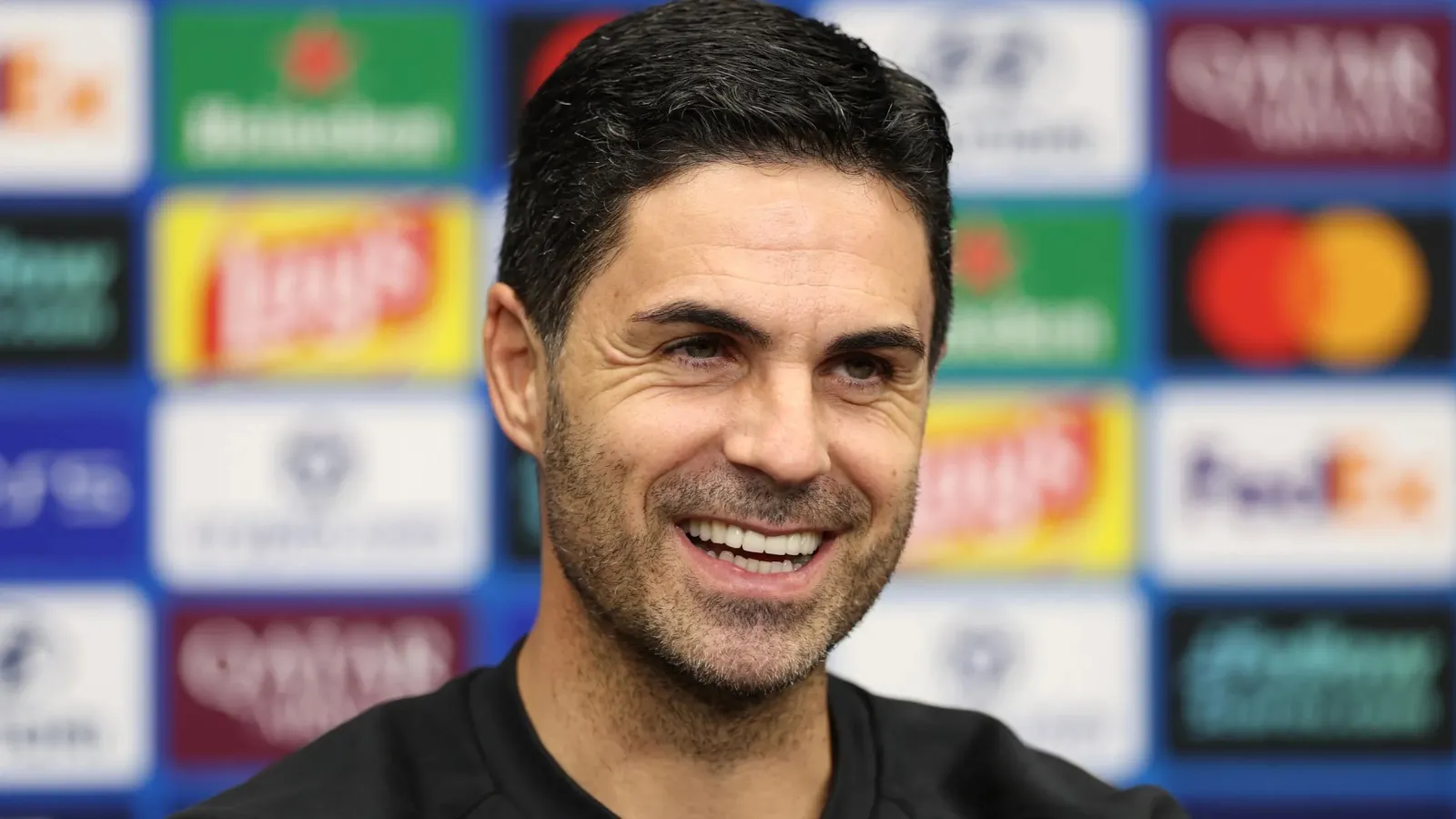
Arsenal manager Mikel Arteta warned he has a huge archive of shirt-pull footage and will use it if officials start penalising the tactic after a controversial non-penalty win at Liverpool.
The comments came on Sunday after Arsenal beat Liverpool 1-0 at Anfield, a match that saw a clear-cut shirt-pull incident go unpunished by both the referee and the Video Assistant Referee (VAR).
What Happened at Anfield?
In the 27th minute, Arsenal full-back Jurrien Timber grabbed the shirt of Liverpool striker Alexander Isak as the Swedish forward turned into the penalty area. The contact appeared to impede Isak's stride, a situation that usually warrants a direct free-kick or a penalty if it occurs inside the box. Neither the on-field referee nor the VAR intervened, and play continued.
Arsenal went on to score the only goal of the game, securing a vital three points that keep them in the chase for a top-four finish. Liverpool manager Andoni Iraola, frustrated by the decision, said he may have to instruct his players to "dive" in future matches to win spot-kicks.
Arteta's Reaction and the "Massive Library" Claim
When asked about a potential crackdown on shirt-pulling, Arteta responded: "I have a lot of clips about shirt pulls and grabs. I have a massive library that we can talk about. We're talking about one in particular. I have a massive library that we can throw there to remind everybody what every team is going through."
He repeated the phrase "massive library" twice, emphasizing that Arsenal have been systematically recording such incidents throughout the season. The manager's wording suggests a deliberate strategy to compile evidence that could be presented to refereeing bodies or used as leverage in public discussions about officiating standards.
Previous Instances of Arteta Assembling Evidence
This is not the first time Arteta has spoken about a dossier of video evidence. During a 2-0 victory over Everton in September, Arteta was booked for repeatedly leaving his technical area. When questioned about the incident, he said: "I do have to be careful. There are managers that 36 times in just ten minutes have left the touchline, no yellows. So I'm clipping all of that. I have a massive storage of images. Someone else has the record. But I don't know where we are going to be if it's 36 yellow cards in ten minutes for the manager."
Both statements underline a pattern: Artetta is collecting visual proof of perceived inconsistencies in officiating, whether it concerns shirt-pulls, touchline infringements, or other controversial moments.
Why Shirt-Pulling Is a Growing Concern
Shirt-pulling is a subtle form of fouling that can disrupt a striker's balance without necessarily resulting in a clear-cut handball or trip. The Laws of the Game, administered by the International Football Association Board (IFAB), define a foul as any unfair play that impedes an opponent's progress. However, the interpretation of "unfair" often varies between referees, leading to inconsistent enforcement.
In recent seasons, several high-profile matches in the Premier League and other top leagues have featured disputed shirt-pull incidents. Some clubs have publicly called for stricter guidelines, arguing that the lack of consistency gives an unfair advantage to teams that employ the tactic.
How the Refereeing System Handles Such Incidents
When a potential foul occurs, the referee makes an immediate decision based on what he sees. If the incident is unclear, the VAR team can review the play and advise the referee to overturn or uphold the original call. The VAR protocol requires a "clear and obvious error" to intervene. In the Timber-Isak incident, the VAR did not deem the contact sufficient to merit a penalty, a judgment that sparked debate among fans and pundits.
Referees receive regular training on interpreting the Laws, and the Premier League's Referees Committee periodically updates guidance on specific scenarios, including shirt-pulling. However, the subjective nature of the decision leaves room for differing opinions.
Potential Impact of a Crackdown
If the Premier League or IFAB decides to tighten the rules around shirt-pulling, clubs will need to adjust defensive tactics. Defenders who rely on subtle pulls to disrupt attackers may face yellow cards or penalties, altering how they engage in one-on-one duels.
For Arsenal, a crackdown could validate Arteta's collection of clips, allowing the club to present concrete examples to the refereeing body and argue for a uniform standard. Conversely, teams that have benefited from the ambiguity may need to modify their approach, potentially affecting match outcomes and league standings.
What Comes Next for Arsenal and the Refereeing Debate?
There is no official statement from the Premier League Referees Committee about a policy change at this stage. The usual process involves a review period, during which clubs can submit evidence, followed by a consultation with the IFAB. Arteta's "massive library" could be part of such a submission if Arsenal chooses to lodge a formal complaint.
Watch for any upcoming statements from the Premier League's officiating department, as well as any scheduled meetings of the Referees Committee in the next few weeks. Those forums are where clubs typically raise concerns and where any rule clarification would be announced.
In the meantime, Arsenal's players and coaching staff will likely continue to monitor how referees handle shirt-pulls in upcoming fixtures, adjusting their defensive discipline accordingly.
Practical Takeaways for Fans and Clubs
- Supporters should be aware that shirt-pulling is currently judged on a case-by-case basis, meaning similar incidents may receive different outcomes.
- Clubs can compile video evidence to support their case; Arteta's public statements illustrate that such dossiers are already in use.
- If a rule change occurs, teams will need to train defenders to avoid any contact that could be interpreted as a pull, reducing the risk of cards or penalties.
Overall, Arteta's remarks have added another layer to the ongoing conversation about fairness and consistency in football officiating. Whether the "massive library" will lead to tangible changes remains to be seen, but the issue is now firmly on the agenda of the Premier League's decision-makers.